
Across landscapes carved by time and toil, lie silent sentinels of history – the homes built with hope by those who dared to dream of a new life. These forgotten structures, standing against the elements, whisper tales of the dream settler, the individual who ventured into the unknown, fueled by vision and determination. Their dreams weren’t just of shelter or survival, but of planting roots, building futures, and claiming a piece of the vast, untamed world. It is in the quiet decay of these places that the profound poetry of their ambition and resilience truly resides.
Contents
The Architecture of Hope
Every joint, every log, every carefully fitted board in an early settler’s home tells a story of dedication. Techniques like the water-shedding dovetail cornering, crafted with precision, speak to the builder’s skill and foresight, a physical manifestation of the desire for stability and permanence in a challenging environment. These architectural choices were not merely functional; they were acts of faith, laying the foundation for a life envisioned, a direct link between the labor of the hands and the aspirations of the heart. The very walls become metaphors for the strength required to face the frontier.
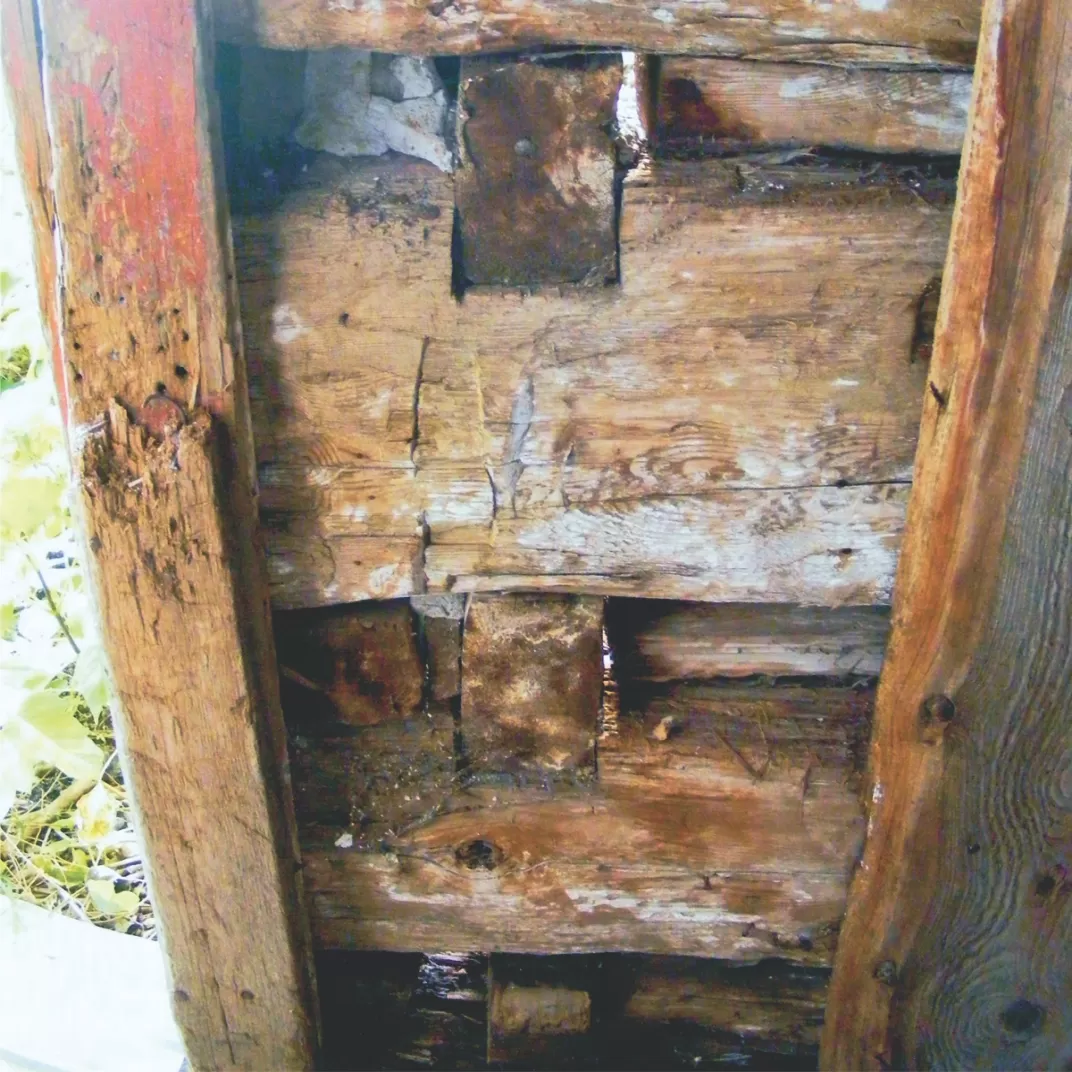 An old log house with careful dovetail cornering stands as a monument to the dream settler's skill and hope.
The humble details reveal much about the lives lived within. Features like solid board wainscotting, an early technique for finishing interior walls, or the surprising charm of beaded floor joists and floorboards painted a handsome denim blue, reflect a desire for beauty and comfort amidst hardship. These weren’t just crude shelters; they were homes, imbued with the personality and values of their inhabitants. The discovery of such artistry in a seemingly simple dwelling highlights the human need to create something enduring and beautiful, even when faced with immense challenges.
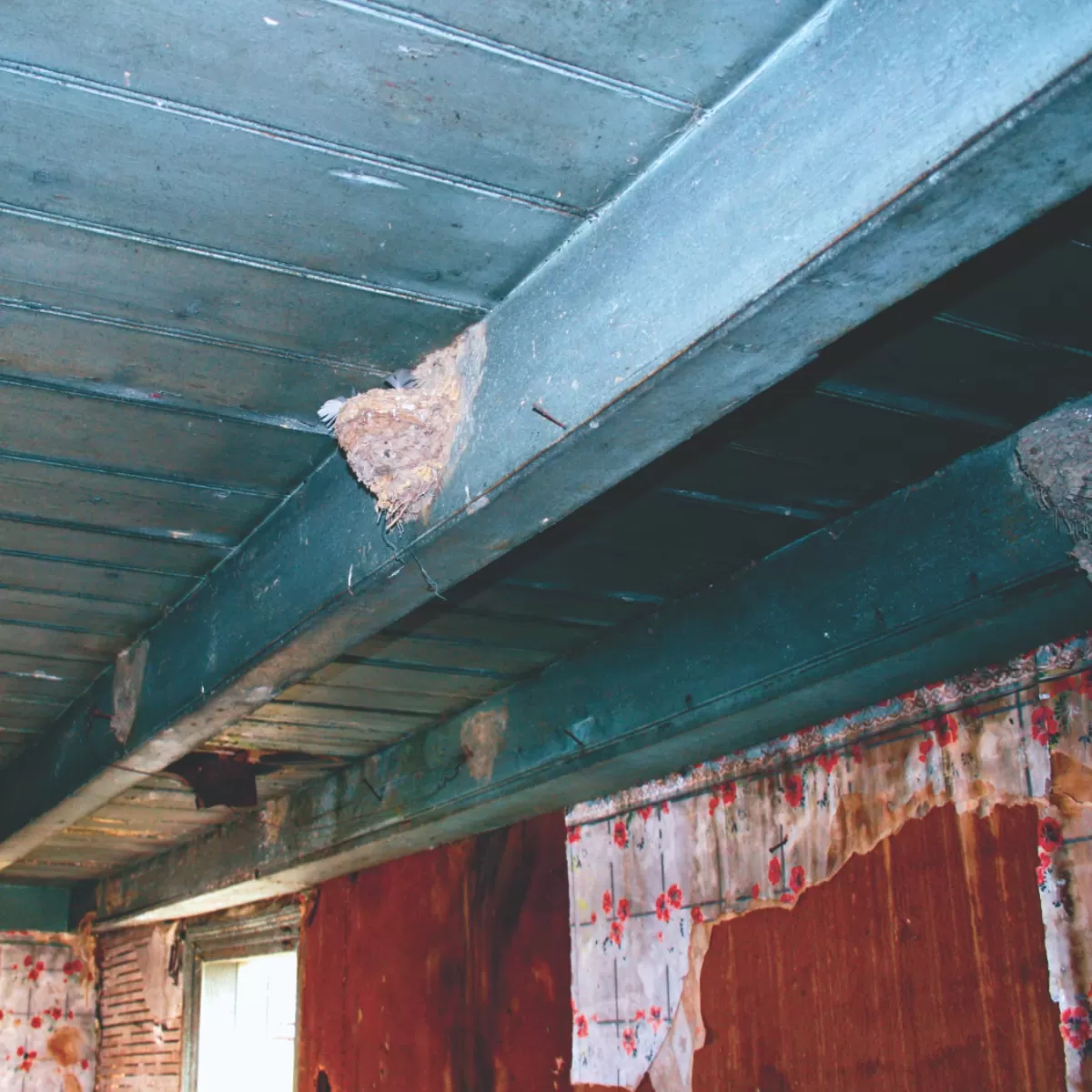 Faded denim blue milk paint on beaded floor joists in an old house interior, suggesting the simple beauty cherished by the dream settler.
Even the methods of construction, like the rare wedge chinking used to seal the gaps between logs, speak of ingenuity and adaptation. Facing harsh climates, settlers devised ways to make their homes secure and warm, battling the constant expansion and contraction of wood with clever solutions. This practical problem-solving is another facet of the dream settler’s character – the tenacity to overcome obstacles and build a life against the odds.
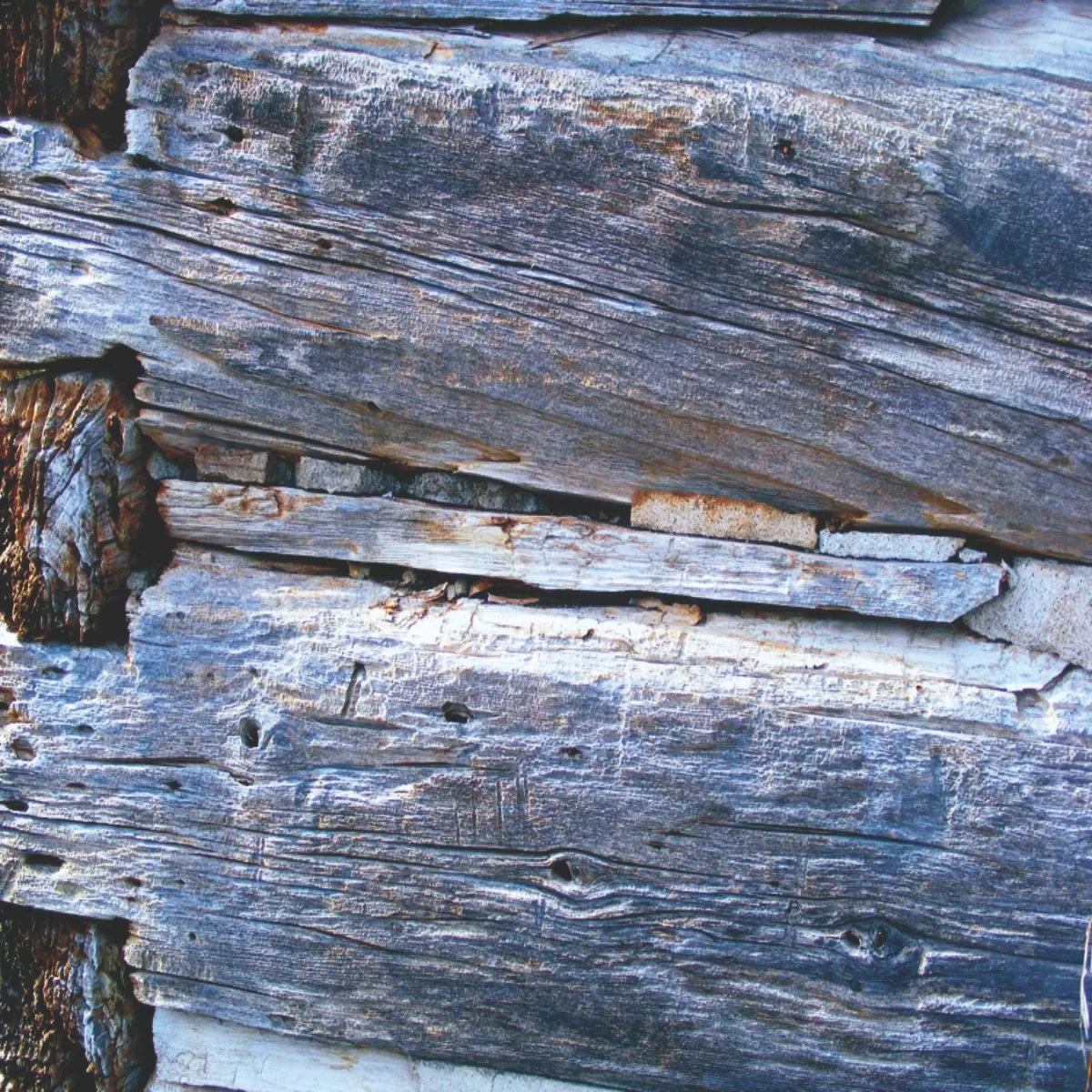 Close-up of wedge chinking, a rare method of sealing logs, highlighting the ingenious solutions of the dream settler.
Whispers of Vanished Lives
Walking through an abandoned settler’s home feels like stepping into a paused narrative. A low doorway, perhaps only five feet high, reminds us of a different era and scale, a physical detail that connects us to the daily realities of those who lived there. Remnants like a fanlight added for natural light, even if rectangular, show the small improvements and touches made to enhance life. The absence of windows and frames in many cases signifies the house’s transition from a vibrant home to a shell, now occupied by wildlife rather than families.
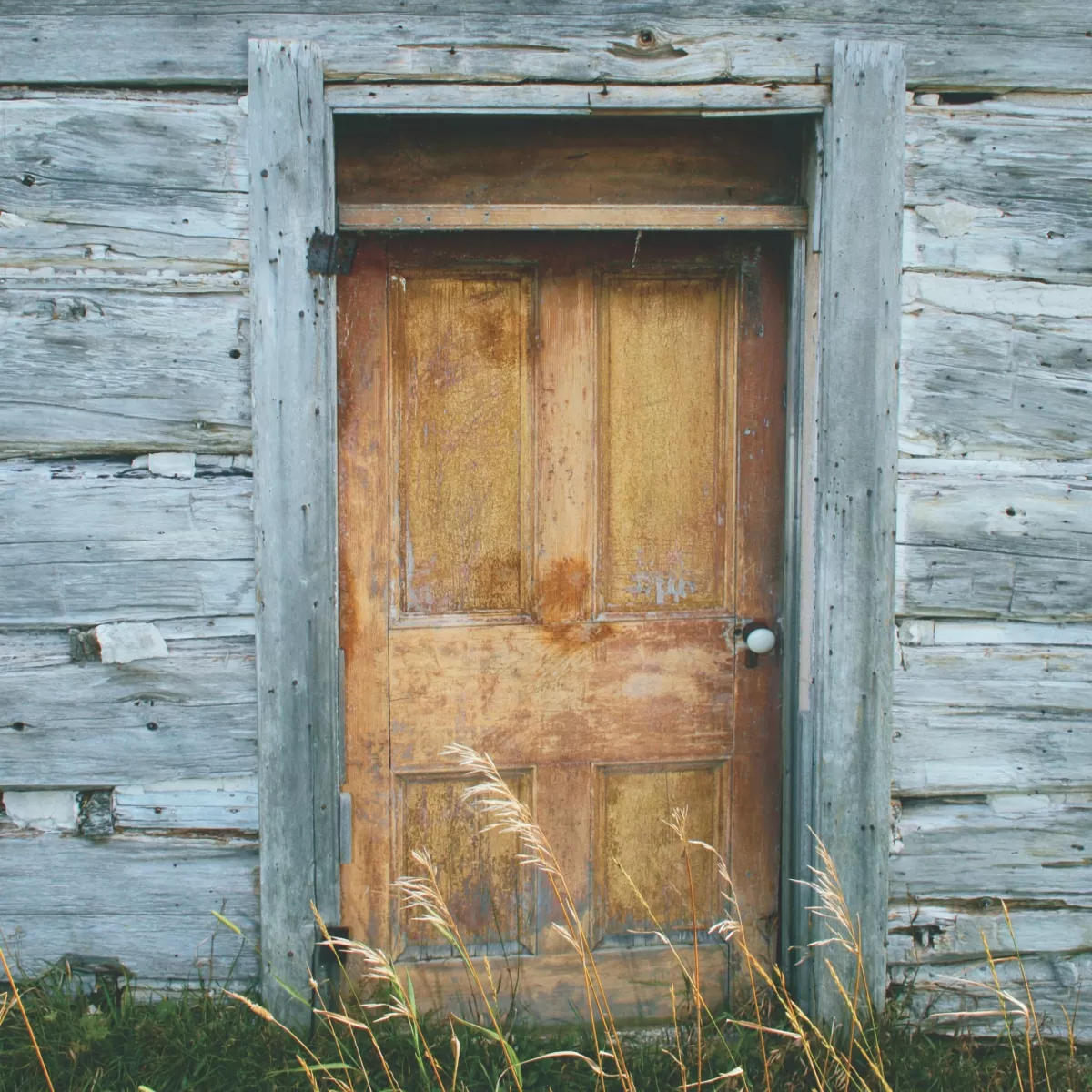 A low front doorway with a rectangular fanlight, characteristic of early settler homes, invites reflection on lives past.
The small rooms upstairs, perhaps featuring chimney cupboards for storage, paint a picture of simple, efficient living centered around the warmth of a wood stove. These spaces, though modest, were where families gathered, stories were told, and dreams were nurtured. The presence of these features allows us to imagine the domestic life, the routines, the laughter and struggles that filled these rooms centuries ago.
The ghost of an original kitchen door, framed in crudely when a recycled kitchen was added, suggests layers of history, periods of adaptation and change. Similarly, the floor-to-ceiling wainscotting and the structure of a cupboard stair hint at very early building traditions, showing how practices evolved. These details aren’t just historical facts; they are poignant markers of time passing, of lives unfolding and adapting within these walls. [internal_links]
The Silent Legacy of the Dream
Today, these houses stand as silent witnesses to the ambitious dream of the settler and the complex reality of frontier life. They are symbols of resilience, hardship, and the inevitable passage of time. An exterior showing remnants of lime mortar, perhaps once stuccoed to resemble fashionable cut stone, speaks to the desire for refinement and status, even in the wilderness. This layering of purpose – basic shelter overlaid with aspirations – adds another dimension to the dream settler’s story.
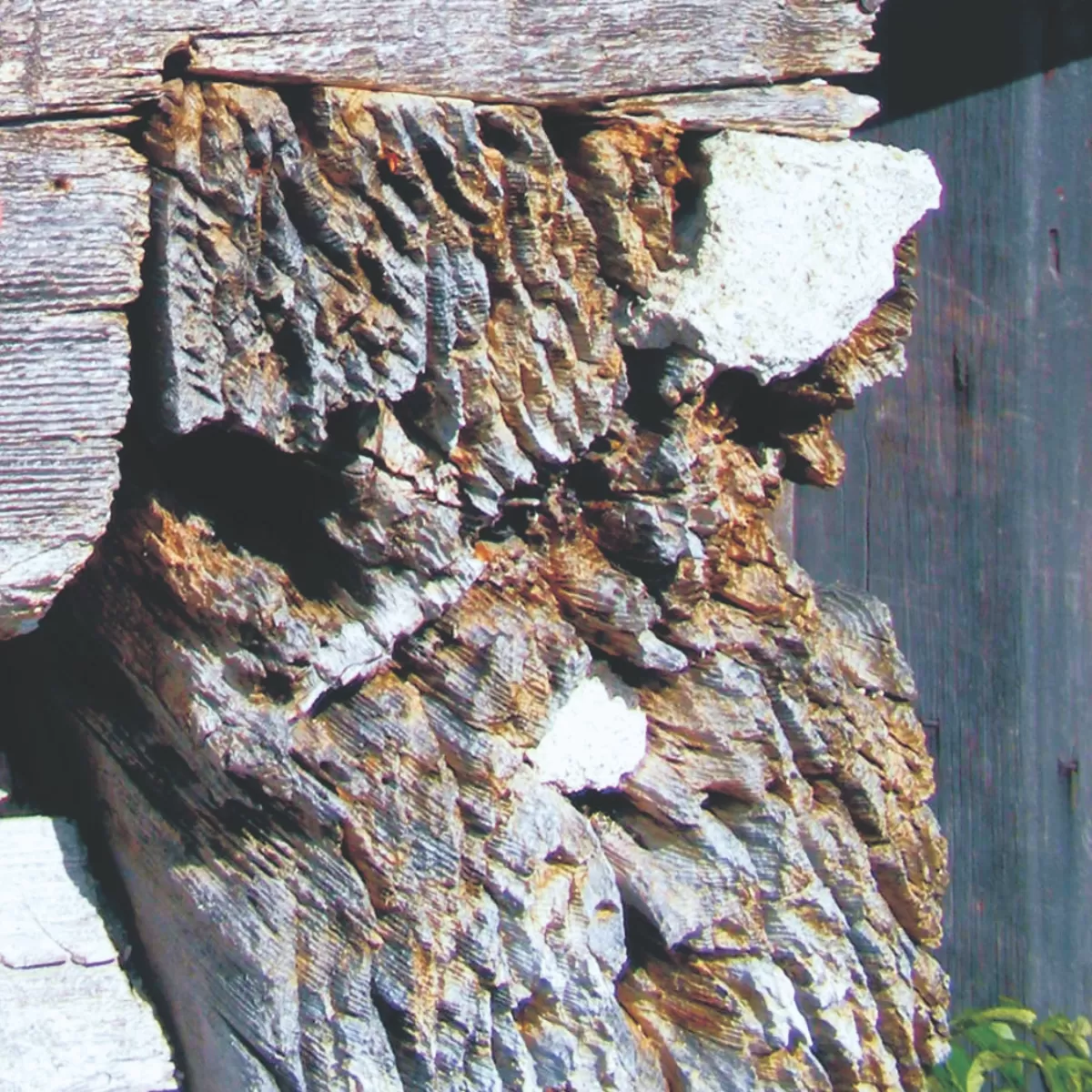 Exterior view of an abandoned log house showing signs of former stucco and lime mortar, hinting at the dream settler's aspiration for a refined home.
These abandoned homes, like the forlorn little house in Mansfield, represent more than just decaying structures. They are tangible links to the pioneering spirit that shaped nations. They embody the courage it took to leave the familiar behind and forge a new existence. While some may see only ruin, those who look closer can find the remnants of dreams, struggles, and triumphs etched into the very fabric of the building.
The Poetry in Abandonment
The story of the dream settler, captured in the quiet dignity of an abandoned home, is inherently poetic. It is a narrative of aspiration against adversity, of human will confronting the vastness of nature, and of the enduring power of a dream even when the physical structure it inhabited fades. These houses are verses in the landscape, each beam and stone a word, the wind sighing through their empty windows a melancholic rhythm. They invite us to pause, to listen to the stories they no longer explicitly tell, and to reflect on the dreams that built this land and the legacies they left behind. The dream settler lives on, not just in history books, but in the enduring presence of these quiet, compelling places.