
Losing a loved one is a deeply painful experience, and funerals offer a space for mourning, remembrance, and celebrating a life lived. Poetry, with its capacity for expressing complex emotions and offering solace, often plays a vital role in funeral services. Finding the right words to honor the departed can be challenging, so this article explores a selection of inspirational poems for funerals, delving into their historical context and offering guidance on choosing and personalizing poems for this significant occasion.
Contents
- A History of Funeral Poems
- Choosing the Right Poem
- 20 Inspirational Poems for Funerals
- 1. “Do Not Stand at My Grave and Weep” by Mary Frye
- 2. “Let Me Go” by Christina Rossetti
- 3. “She Is Gone (He Is Gone)” by David Harkins
- 4. “All Is Well” by Henry Scott Holland
- 5. “Funeral Blues” by W.H. Auden
- 6. “If I Should Go Tomorrow” (Anonymous)
- 7. “Don’t Cry For Me” (Anonymous)
- 8. “Gone, But Not Forgotten” by Ellen Brenneman
- 9. “How Did They Live?” (Anonymous)
- 10. “If I Should Go” by Joyce Grenfell
- 11-20. Additional Poems
- Personalizing a Funeral Poem
- Finding Support
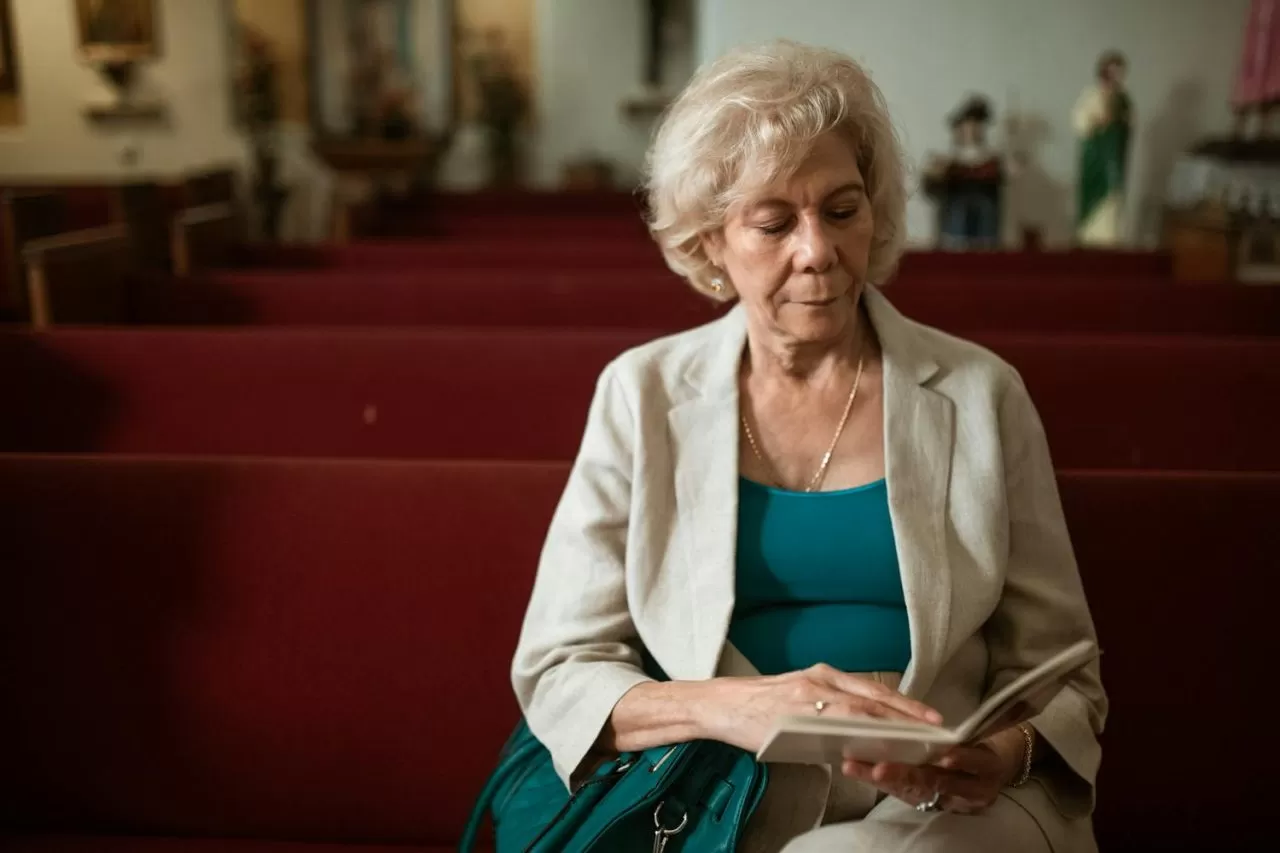 Woman Reading Poem in Church
Reading poetry at a funeral allows us to express feelings that might otherwise be difficult to articulate. It can offer comfort to the bereaved, celebrate the life of the deceased, and provide a sense of shared experience for those gathered in mourning.
A History of Funeral Poems
The practice of incorporating poetry into funeral rites has ancient roots, spanning across cultures and millennia. From the Egyptians’ Book of the Dead to the elegies of the Greeks and Romans, poems have served as vehicles for navigating grief, honoring the dead, and exploring the mysteries of the afterlife.
Choosing the Right Poem
Selecting an appropriate funeral poem is a personal decision. Consider the personality and beliefs of the deceased, the emotional needs of the family, and the overall tone of the service. A poem can offer solace, celebrate life, or reflect on the spiritual journey of the departed.
20 Inspirational Poems for Funerals
This curated selection offers a range of poems suitable for funerals, encompassing various themes and emotional tones:
1. “Do Not Stand at My Grave and Weep” by Mary Frye
This widely beloved poem offers a comforting message of hope and transcendence, suggesting the deceased lives on in nature’s beauty.
Do not stand at my grave and weep
I am not there. I do not sleep.
I am a thousand winds that blow.
I am the diamond glints on snow.
2. “Let Me Go” by Christina Rossetti
This poem encourages acceptance of death as a natural part of life’s journey, urging loved ones to remember fondly but not to be consumed by grief.
3. “She Is Gone (He Is Gone)” by David Harkins
This poem acknowledges the pain of loss while encouraging mourners to focus on the love and memories shared with the deceased.
4. “All Is Well” by Henry Scott Holland
This poem emphasizes the continuity of love and relationships beyond death, offering a reassuring message of reunion.
5. “Funeral Blues” by W.H. Auden
This powerful poem expresses the raw, overwhelming grief of losing someone deeply loved.
6. “If I Should Go Tomorrow” (Anonymous)
This short, comforting poem assures loved ones that love transcends physical death and continues to connect us.
7. “Don’t Cry For Me” (Anonymous)
This poem suggests the deceased persists in the natural world, becoming part of the elements and remaining present in the memories of loved ones.
8. “Gone, But Not Forgotten” by Ellen Brenneman
This poem emphasizes that love never truly dies and that the deceased continues to live on in the hearts of those they touched.
9. “How Did They Live?” (Anonymous)
This poem prompts reflection on the values and contributions of the deceased, emphasizing the importance of a life well-lived.
10. “If I Should Go” by Joyce Grenfell
This poem encourages mourners to celebrate life and continue living fully, even in the face of loss.
11-20. Additional Poems
The original article includes several other poems suitable for funerals, each offering unique perspectives on grief, remembrance, and the celebration of life. These poems can be found by searching the titles provided in the original article.
Personalizing a Funeral Poem
Adding personal touches to a poem can create a more meaningful tribute. Consider incorporating names, places, dates, or shared memories relevant to the deceased. Adapting lines to reflect their personality or hobbies can further personalize the poem.
Finding Support
Planning a funeral is a difficult task. Compassionate funeral directors, such as those at Jamieson’s Funeral Services, can provide guidance and support during this challenging time. Their expertise can help create a meaningful and personalized service that honors the life of the deceased. You can find more information and support on their website (https://jamiesonfunerals.com/).