
The vibrant red poppy, a seemingly simple flower, holds deep symbolic meaning, especially on Veterans Day. It serves as a poignant reminder of the sacrifices made by those who served in war, particularly connected to World War I. This association stems largely from the iconic poem “In Flanders Fields” by Canadian Lieutenant Colonel John McCrae. This article explores the poem’s origins, its impact, and the enduring legacy of the poppy as a symbol of remembrance.
Contents
The poppy, specifically the Papaver rhoeas or corn poppy, thrives in disturbed soil. During World War I, the battlefields of Europe, torn apart by trench warfare and bombings, provided the perfect conditions for these resilient flowers to bloom. Amidst the devastation and death, the vibrant red poppies offered a stark contrast, a symbol of life springing from destruction.
 A field of red poppies in bloom, symbolizing remembrance and hope.
The Birth of “In Flanders Fields”
The poem’s origin is deeply personal. John McCrae, a Canadian physician serving in World War I, was profoundly affected by the death of his friend and former student, Lieutenant Alexis Helmer, in the Second Battle of Ypres. Witnessing the rows upon rows of crosses marking the graves of fallen soldiers, and the poppies blooming amidst them, inspired McCrae to pen the now-famous poem.
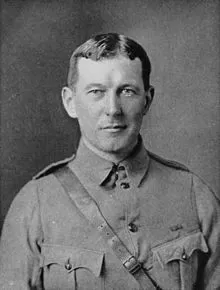 Portrait of Lieutenant Colonel John McCrae, author of "In Flanders Fields".
Initially, McCrae discarded the poem, but a fellow officer retrieved it and submitted it for publication. “In Flanders Fields” first appeared in Punch magazine in December 1915, quickly gaining widespread recognition and resonating deeply with people affected by the war.
The Poem’s Enduring Power
“In Flanders Fields” is more than just a description of the battlefield landscape. It’s a powerful call to action, a plea from the fallen to the living to continue the fight for freedom and to honor their sacrifice. The poem’s final lines, “If ye break faith with us who die / We shall not sleep, though poppies grow / In Flanders fields,” carry a profound emotional weight, urging future generations to remember and uphold the values for which they fought.
The Poppy as a Symbol of Remembrance
The poem’s impact extended beyond its literary merit. In 1918, inspired by the poem, American YWCA worker Moina Michael vowed to always wear a red poppy in remembrance of the fallen soldiers. This simple act sparked a movement, and the poppy quickly became a widely recognized symbol of Veterans Day, particularly in Commonwealth countries.
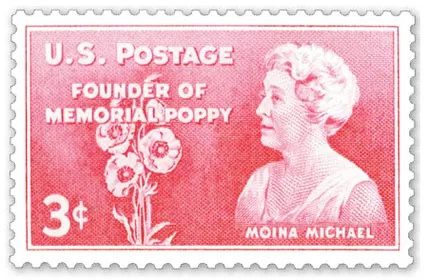 Image of a stamp featuring Moina Michael, who popularized the poppy as a symbol of remembrance.
Today, the tradition of wearing poppies on Veterans Day continues, serving as a visual reminder of the sacrifices made and the enduring legacy of those who served. The funds raised from the sale of these paper poppies often support veterans’ organizations and charities.
The Legacy of Words and Remembrance
“In Flanders Fields” and the poppy symbolize the power of words and symbols to transcend time and connect us to the past. They offer a tangible way to express gratitude and honor the memory of those who fought for our freedoms. The simple act of wearing a poppy is a powerful statement of remembrance, ensuring that the sacrifices of veterans are never forgotten.
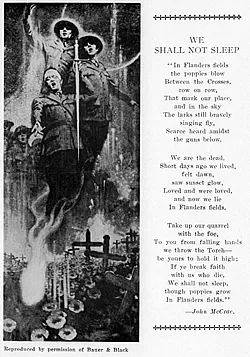 Image with the quote "We shall not sleep", highlighting the enduring legacy of remembrance.
The red poppy serves as a potent visual reminder, a symbol of hope and resilience born from the ashes of war, forever intertwined with the memory of those who served in Flanders fields and beyond.