
The art of poetry has long sought to capture fleeting moments, profound emotions, and the intricate tapestry of human experience. Similarly, photography freezes instances in time, offering visual records of the world around us. When these two mediums converge, they create a powerful synergy, giving rise to compelling poems about photographs. These works explore the relationship between the static image and the dynamic word, delving into the stories pictures tell, the memories they evoke, and the realities they reveal.
A photograph can serve as both inspiration and subject for poetry. A poet might gaze upon an image – perhaps an old family snapshot, a historical document, a piece of photojournalism, or a landscape – and translate its visual information, implied narratives, and emotional resonance into verse. The poem can describe what is seen, ponder what is unseen, question the context, or project its own emotional response onto the captured scene.
One significant way that poetry and photography intersect is in their shared capacity for documentation and witnessing. Both mediums can bear witness to life as it is lived, capturing realities that might otherwise be overlooked or forgotten. This is particularly true in projects that aim to explore specific places, communities, or social issues.
Consider the compelling approach taken in “Shale Play: Poems and Photographs from the Fracking Fields” by Julia Spicher Kasdorf and Steven Rubin. This remarkable book exemplifies how poems about photographs can collaborate to create a nuanced and powerful record of a place and its people grappling with significant change. Set in Appalachian Pennsylvania, a region dramatically impacted by hydraulic fracturing (fracking), the book uses Rubin’s documentary photography paired with Kasdorf’s poetry, which is often rooted in interviews and oral testimony.
 Detail of an open book showing a black and white photograph of a rural landscape with industrial equipment
Rubin’s photographs provide a visual foundation, depicting the landscapes scarred by well pads and pipelines, the portraits of residents – workers, landowners, activists, elders – whose lives are directly shaped by the industry, and the stark contrast between natural beauty and industrial intrusion. These images are not mere illustrations; they are potent documents in themselves.
Kasdorf’s poems, inspired by the region and its inhabitants, then weave a tapestry of voices and perspectives. Drawing from interviews and observations, her verse captures the complexity, tension, and human cost of living in a “sacrifice zone.” The poems don’t offer simple answers but instead present a collage of testimonies, reflecting the diverse and often conflicting experiences of people on the ground. This method echoes the documentary spirit of 1930s projects, aiming for an urgent, authentic representation.
The collaboration in “Shale Play” demonstrates how poems about photographs (or poems informed by the visual record and the human stories behind it) can go beyond simple description. The poems interpret, contextualize, and add layers of depth that a photograph alone cannot convey, while the photographs provide a grounding reality and visual evidence that amplifies the impact of the verse.
Exploring the meaning within images is a central theme in many poems about photographs. What does this frozen moment mean? What story does it hide? What emotions does it stir? Poetry can provide the narrative, the introspection, and the emotional landscape surrounding the visual event. It allows us to step into the picture, imagine the sounds and smells, and feel the weight of the moment captured. This exploration of meaning resonates deeply with readers seeking connection and understanding. For insights into how poetry can distill complex ideas into concise expression, one might look to short deep meaning poems.
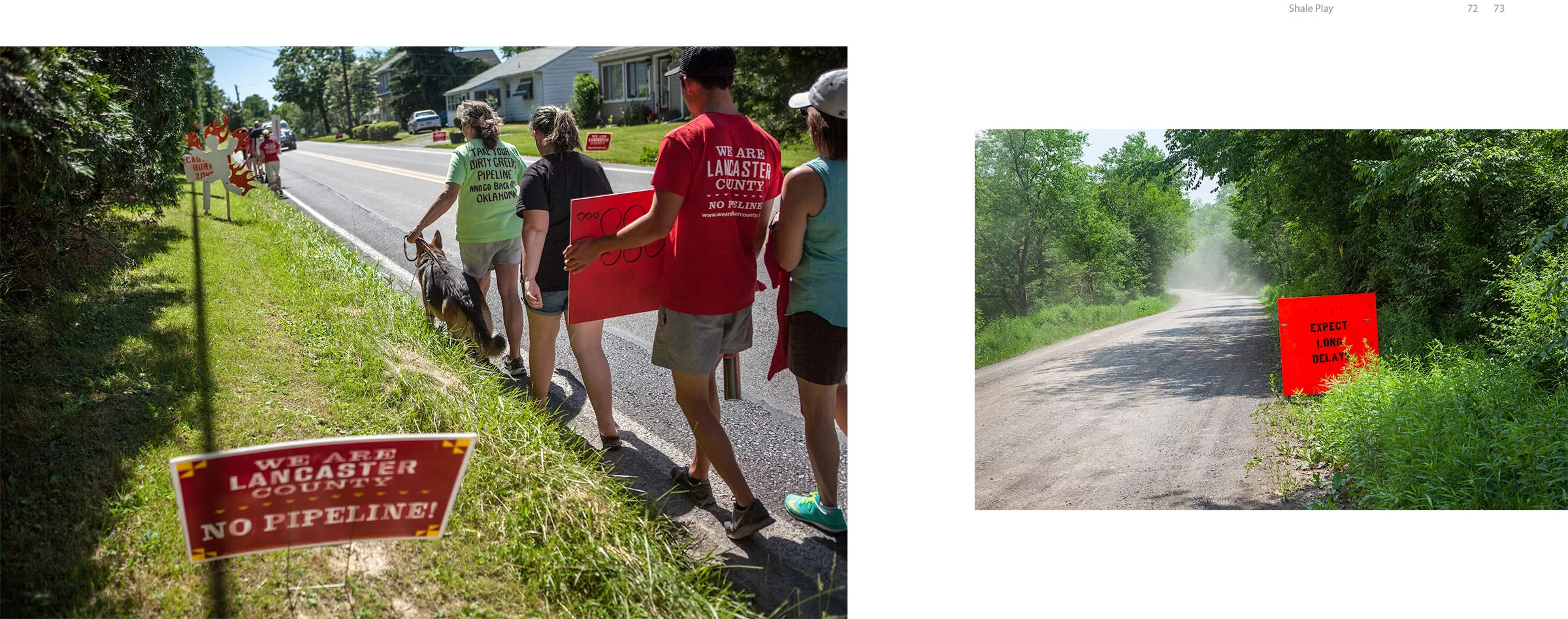 Detail of an open book showing a black and white photograph of a person walking in a rural area with industrial structures
The tension between beauty and disturbance, natural landscapes and industrial change, is a recurring theme in “Shale Play” and is often inherent when poems about photographs tackle environmental or social subjects. Photographs can starkly present these contrasts, while poetry can articulate the human response – the nostalgia for what was, the anxiety about the future, the resilience of the community. The book’s ability to avoid easy caricatures and present an authentic, polyvocal view is a testament to the power of this combined artistic approach.
Beyond documentary work, poems about photographs can also be deeply personal. A poem about a photograph of a loved one can explore themes of memory, loss, love, and the passage of time. The image becomes a portal to the past, and the poem navigates the emotional landscape of that memory. The power of a photograph to evoke profound emotions makes it a rich source for poetry that delves into the human heart. Enduring human themes found in such personal reflections connect us to the long tradition of verse, sometimes explored through the lens of great writers like those in a shakespeare poem.
The creation of poems about photographs involves a unique interpretive act. The poet becomes a reader of the image, deciphering its visual language and translating it into the language of verse. This process is not always straightforward; it involves intuition, imagination, and a keen eye for detail and implication. The resulting poem is a dialogue between the two art forms, a fusion of visual information and verbal expression.
In essence, poems about photographs invite us to look closer, both at the image itself and at the world it represents. They remind us that every picture tells a story, but that story can be infinitely expanded, questioned, and felt through the power of poetry. Works like “Shale Play” demonstrate the incredible potential of this intersection, offering not just information or aesthetic pleasure, but a profound act of witness and human connection. Such projects contribute significantly to our understanding of how art can illuminate complex realities and evoke empathy, highlighting the enduring value of poetry in capturing the essence of human experience and connecting visual moments to deeper poems about meaning.
 Detail of an open book showing a black and white photograph of oil and gas pipelines and industrial equipment
The collaborative process behind books like “Shale Play” underscores the idea that visual and literary arts can enhance each other. The photographer captures the scene; the poet captures the spirit, the voices, and the underlying human drama. Together, they create something greater than the sum of their parts, offering a more comprehensive and emotionally resonant portrayal of their subject. This approach is invaluable for tackling complex contemporary issues, grounding abstract data and political debate in the tangible reality of people’s lives.
Whether focusing on social documentation, personal memory, or abstract interpretation, poems about photographs offer a unique lens through which to view the world. They bridge the gap between seeing and feeling, between the visual record and the human story, enriching our understanding of both the power of the image and the evocative potential of language. They remind us that art, in its various forms, is a vital tool for witnessing, remembering, and connecting with the complex beauty and challenges of existence. For those interested in exploring more impactful poetic works, a curated list might include some of the 10 best poems ever written, many of which also capture significant moments or scenes, much like a photograph.
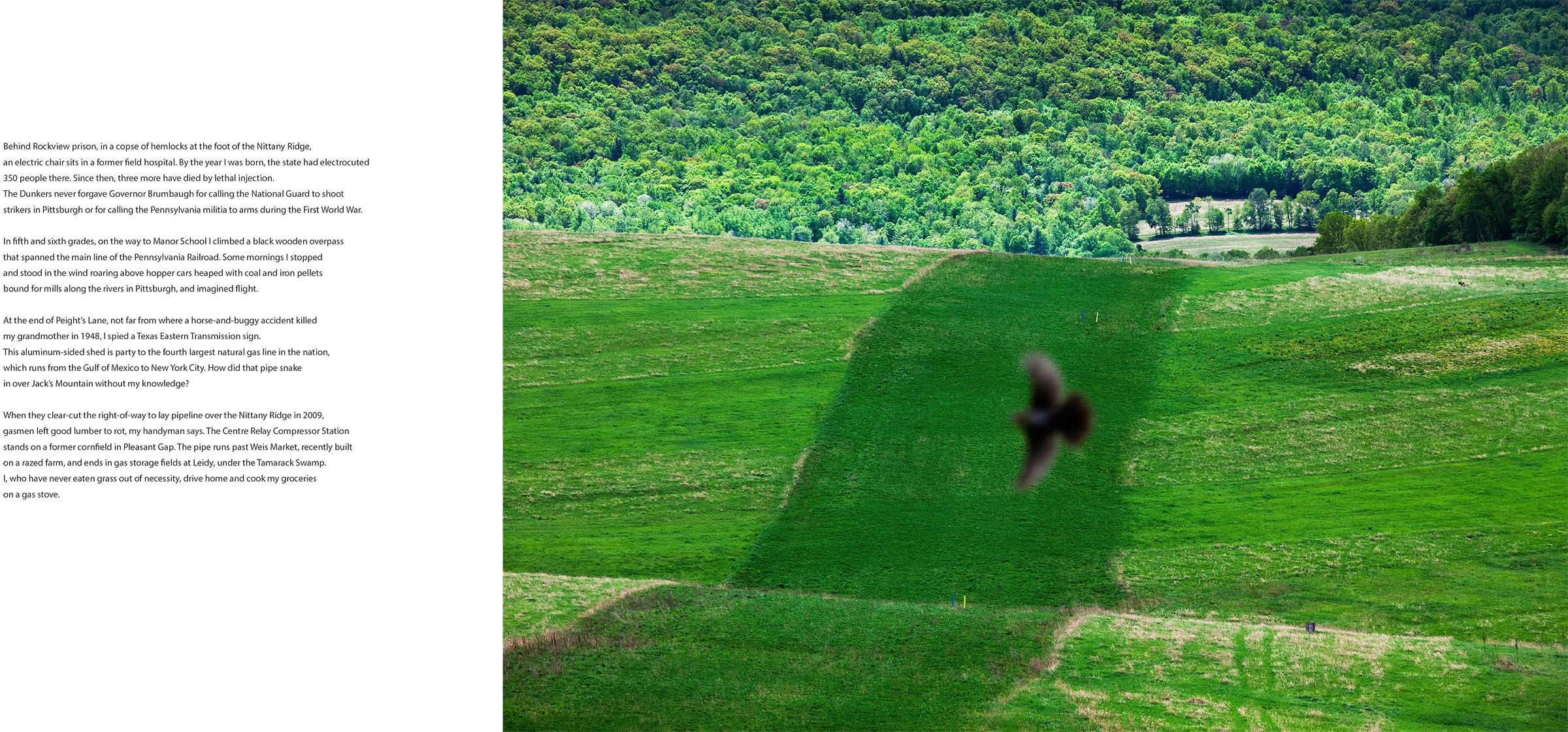 Detail of an open book showing a black and white photograph of an outdoor scene with industrial storage tanks and a fence
The creation and appreciation of poems about photographs are vital in an increasingly visual world. As we are constantly bombarded with images, poetry offers a means to pause, reflect, and delve deeper into what these images truly represent. It encourages a more mindful engagement with the visual information we consume, prompting us to look beyond the surface and explore the narratives, emotions, and implications embedded within. This synergy between image and word enriches our perception and expands our capacity for empathy and understanding.