
The cinquain, a compact yet expressive stanza of five lines, offers a unique canvas for poetic exploration. From its origins rooted in Japanese poetic forms to its evolution into various modern interpretations, the cinquain invites both novice and experienced poets to experiment with brevity and meaning. This article delves into the history, structure, and diverse applications of the cinquain, providing a comprehensive understanding of this versatile poetic form.
Contents
- Origins and Evolution of the Cinquain
- Traditional Cinquain Structure: Syllables and Stress
- The Modern Cinquain: Word Types and Themes
- Cinquains, Quatrains, and Other Five-Line Forms
- The Power of Brevity: Expressing Meaning in Five Lines
- Exploring the Cinquain: A Creative Exercise
- Conclusion: Embracing the Cinquain’s Potential
 card from Iona.jpg
Origins and Evolution of the Cinquain
While the word “cinquain” simply denotes a five-line stanza in French, the specific poetic form commonly associated with the term owes its existence to Adelaide Crapsey, an American poet of the early 20th century. Inspired by the concise beauty of Japanese haiku and tanka, Crapsey developed a structured five-line verse form with a specific syllable count for each line. Her collection “Verse,” published posthumously in 1915, showcased 28 of these cinquains, solidifying her contribution to poetic form.
 unsw image barry eggleton.jpg
Traditional Cinquain Structure: Syllables and Stress
Crapsey’s original cinquain adhered to a strict syllable count: two syllables in the first line, four in the second, six in the third, eight in the fourth, and two again in the fifth. Beyond syllables, Crapsey also considered stress patterns, often employing iambic meter, especially in the first line. However, this metrical element wasn’t a rigid requirement, allowing for variations within the structure.
The Modern Cinquain: Word Types and Themes
Over time, the cinquain form has evolved, with modern iterations focusing on word types rather than strict syllable counts. This contemporary approach offers a more accessible entry point for those new to poetry. The typical structure follows this pattern:
- Line 1: One noun (the subject)
- Line 2: Two adjectives describing the subject
- Line 3: Three verbs expressing actions related to the subject
- Line 4: Four words conveying a feeling or thought about the subject
- Line 5: One word, often a synonym for the subject
 shetland coastline.jpg
This adaptable structure allows for diverse themes, moving beyond the nature-focused tradition of haiku to encompass personal experiences, memories, and abstract concepts.
Cinquains, Quatrains, and Other Five-Line Forms
The term “cinquain” is sometimes used interchangeably with other terms for five-line stanzas, including quintain, quintet, and pentastich. While technically all refer to stanzas of five lines, certain distinctions exist. The term “quintain” can refer to any five-line stanza, while “cinquain” is typically reserved for Crapsey’s specific form or its modern derivatives. “Quintet” and “pentastich,” though less commonly used, also denote five-line stanzas, often in specific contexts.
 iconic poppies.jpg
The Power of Brevity: Expressing Meaning in Five Lines
The cinquain’s strength lies in its concise nature. Its limited space challenges poets to distill their ideas and emotions into a concentrated form, creating a powerful impact with minimal words. This brevity also makes the cinquain a valuable tool for exploring specific images, feelings, or concepts in a focused and memorable way.
 img075.jpg
Exploring the Cinquain: A Creative Exercise
Whether adhering to the traditional syllable count or embracing the modern word-type approach, writing cinquains offers a rewarding exercise in poetic expression. The structured format provides a supportive framework for experimenting with language, imagery, and emotion, allowing poets to craft evocative verses with a unique blend of brevity and depth. From capturing the essence of a single moment to exploring complex themes, the cinquain offers a versatile and accessible pathway to poetic creativity.
 cat in Kremlin grounds.jpg
Conclusion: Embracing the Cinquain’s Potential
The cinquain, in all its varied forms, stands as a testament to the power of concise poetic expression. Its accessible structure and adaptable nature make it a valuable tool for both aspiring and experienced poets seeking to explore the nuances of language and emotion within a limited space. By embracing the constraints of the five-line form, poets can unlock a world of creative possibilities and discover the unique beauty of distilling meaning into a stanza of five lines.
 storm off Mordialloc.jpg
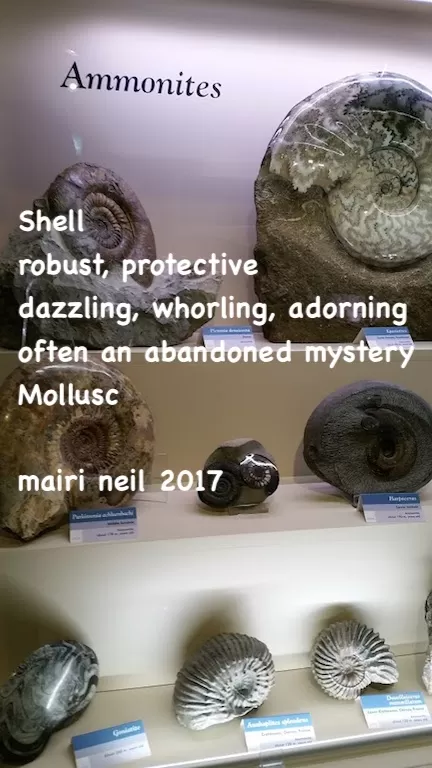 shell fossils.jpg