
Zihuatanejo. The name itself carries a certain lyrical quality, a gentle cadence that whispers of ocean breezes and unhurried moments. It’s a place etched into popular culture, not just as a dot on a map, but as a symbol of escape, a destination where time seems to unfold differently. For poetry lovers, exploring the concept of “time in Zihuatanejo” offers a rich vein of thematic material, inviting contemplation on freedom, peace, memory, and the subjective experience of time itself when removed from the pressures of everyday reality.
Contents
- Zihuatanejo as Poetic Landscape: Time Unspooled
- The Timelessness of the Coastline
- Contrasting Rhythms: Zihuatanejo vs. Ixtapa
- Finding Poetry in the Pace
- Visualizing Time from the Hillside
- Poetic Elements in Place: Playa La Ropa and Playa Las Gatas
- The Crocodile in the Lagoon: A Symbol of Enduring Time
- Conclusion: The Resonance of Zihuatanejo Time
The familiar image of Zihuatanejo comes from the cinematic portrayal of Andy Dufresne’s longed-for paradise in The Shawshank Redemption. This connection immediately imbues the place with themes of liberation, patience, and the ultimate reward of enduring hardship. Andy’s decades-long journey towards this Mexican haven is a powerful metaphor for the slow, persistent passage of time within confinement, contrasted with the seemingly timeless, idyllic existence he envisions there. This dual perspective on time – measured time vs. experienced time – is central to the poetic potential of Zihuatanejo.
Zihuatanejo as Poetic Landscape: Time Unspooled
Beyond its cinematic fame, the physical description of Zihuatanejo in travel narratives often highlights its “sleepy fishing village” character, its “kind, light-hearted locals,” and its “near-perfect beaches.” These descriptions paint a picture of a place where life moves at a different pace than the bustling “plush and sterile resort town” next door. This contrast is inherently poetic, offering an antithesis between a manufactured, scheduled experience (Ixtapa) and an organic, flowing existence (Zihuatanejo).
Poetry thrives on such contrasts. A poem exploring “time in Zihuatanejo” might juxtapose:
- The hurried tick-tock of the clock left behind with the slow, rhythmic crash of waves.
- The pressure of appointments and deadlines with the boundless expanse of a beach day, marked only by the shifting sun.
- The weight of memory and past struggles (like Andy’s) with the lightness of present moment immersion.
The sensory details frequently associated with Zihuatanejo – white sand, the taste of mango margaritas or fresh seafood, the warmth of the sun, the scent of the sea, the sounds of beachside life – all contribute to a feeling of being anchored in the present. This focus on immediate sensory experience is a hallmark of much lyrical poetry, emphasizing being rather than becoming or having.
The Timelessness of the Coastline
Beaches, in general, hold a powerful place in poetry as symbols of timelessness and change. The ocean’s constant motion against the seemingly unchanging shore evokes cycles of renewal and persistence. In Zihuatanejo, specifically areas like Playa La Ropa with its “rows and rows of palm trees” lining a “curved strip of beach,” the visual elements lend themselves to vivid poetic imagery.
A poem focusing on the coastline might explore:
- The way the tide erases footprints, symbolizing the shedding of the past or the transient nature of worries.
- The enduring presence of the palm trees, standing testament to time passing seasons.
- The way light changes throughout the day, particularly the sunset over the Pacific, marking the end of a day not with urgency, but with beauty and reflection.
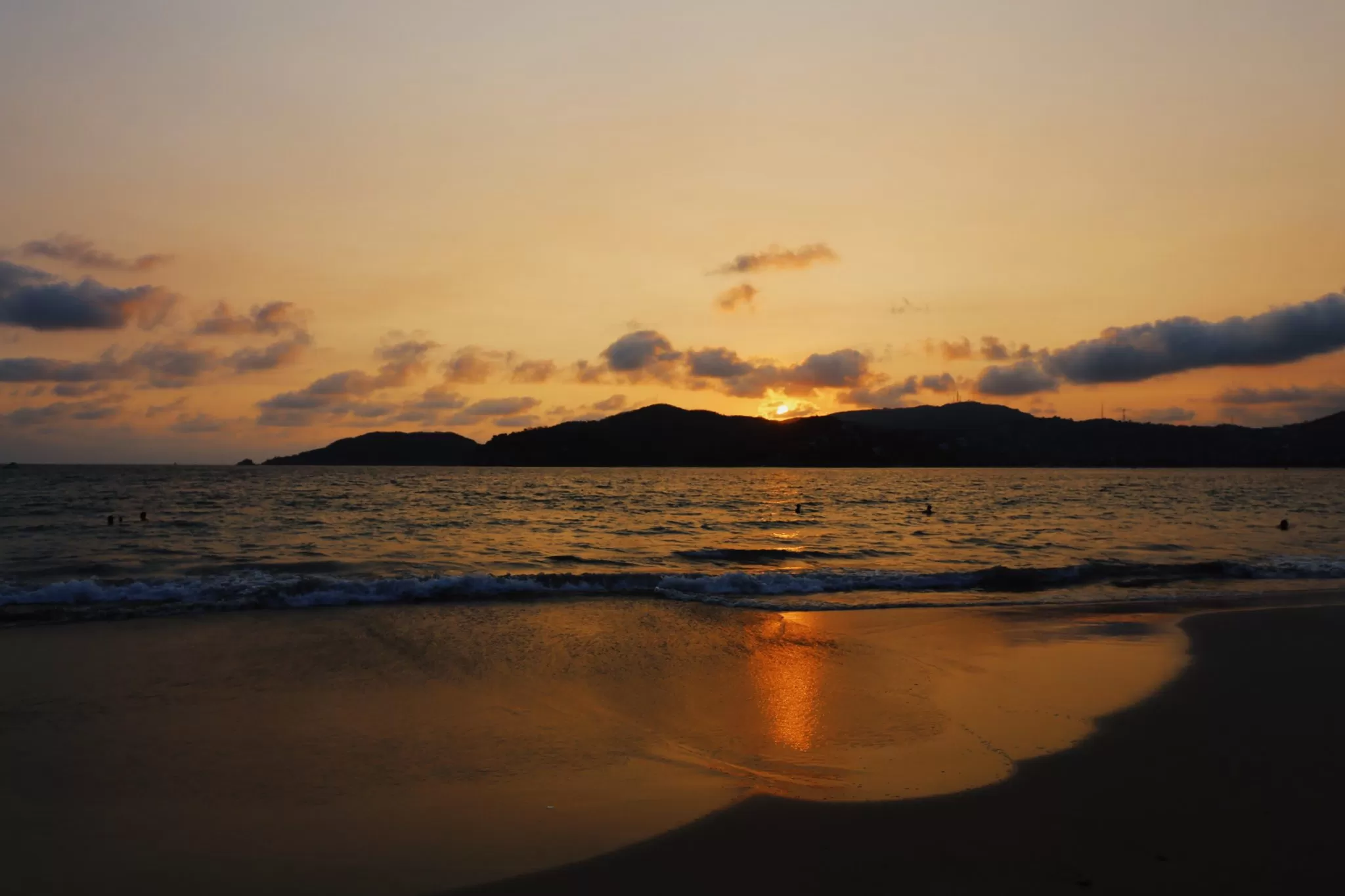 Zihuatanejo beach sunset evoking timeless peace in coastal poetry
The act of simply “wading in the perfect temperature water” or “drinking green juice after green juice” and enjoying “buckets of chips and salsa” as described in travel accounts, translates poetically into a focus on simple pleasures and the allowance of time for pure enjoyment. This is not time spent productively or efficiently according to external standards, but time spent richly according to internal fulfillment.
Contrasting Rhythms: Zihuatanejo vs. Ixtapa
The comparison between Zihuatanejo and Ixtapa provides a thematic contrast crucial for a deeper poetic exploration of “time.” Ixtapa, described as “antiseptic” and designed to “boost tourism,” represents a manufactured, predictable, and potentially sterile experience of time – the resort time governed by schedules, planned activities, and curated environments. Zihuatanejo, with its “cobblestone streets, lively restaurants, and authentic atmosphere,” offers a more organic, perhaps even unpredictable, flow of time, dictated by local rhythms, spontaneous interactions, and the natural environment.
Poetically, this contrast highlights different ways humans attempt to control or experience time:
- Controlling time: The structured, predictable time of the resort (Ixtapa).
- Surrendering to time: The flowing, organic time of the village (Zihuatanejo).
This dynamic can be explored through imagery and metaphor – perhaps comparing the rigid lines of resort architecture to the winding paths of the village, or the artificial glow of resort lights to the natural light on the bay.
Finding Poetry in the Pace
The call to “Get there first–then decide what to do” in Zihuatanejo, rather than pre-planning every moment, is a practical travel tip that holds profound poetic meaning. It is an invitation to surrender to the rhythm of the place, to let the day unfold, rather than imposing a rigid structure upon it. This approach mirrors a certain poetic sensibility that values observation, spontaneity, and responsiveness to the environment.
Consider the poetic implications of choosing a “dinky, covered motorboat” perceived as unsatisfactory for a “sailboat sunset cruise” versus a spontaneous experience like horseback riding on a “HUGE gorgeous beach that was basically deserted.” These moments, unexpected or found by chance, often become the most memorable and, therefore, the most potent sources of poetic inspiration. They are slices of time that feel distinct, perhaps even outside the regular flow.
 Man at the beach in Zihuatanejo, Mexico, contemplating the passage of time
The advice to frequent places like LOOT, a “hip coffee shop/art gallery/surf store” with a large patio, emphasizes finding havens within the unhurried pace. These spots become points of reference, anchors in the flow of time, offering consistent comfort (“green juice,” “avocado toast”) within a relaxed setting. Poetically, such places represent moments of pause, reflection, or simple contentment within the larger narrative of the visit.
Visualizing Time from the Hillside
The recommendation to “catch the view from the hillside,” even if just for a drink, speaks to another way of experiencing time and place poetically – gaining perspective. From a vantage point overlooking Zihuatanejo Bay, one can see the entirety of the scene: the curve of the bay, the beaches, the town nestled against the hills, the boats on the water.
This panoramic view offers a sense of scale and context that differs from being immersed at beach level. Poetically, viewing a place from above can evoke themes of:
- The grand sweep of time relative to individual moments.
- The interconnectedness of elements within the landscape.
- A feeling of detachment or contemplation.
The sunset viewed from this perspective becomes not just a beautiful moment, but a cosmic event happening against the backdrop of human life in the bay below, highlighting the different scales at which time operates.
 Couple in Zihuatanejo beach, sharing a moment of timeless connection
Poetic Elements in Place: Playa La Ropa and Playa Las Gatas
Playa La Ropa, described as the “favorite beach” with its soft sand and beachside restaurants, is a prime example of a specific location where the feeling of “time in Zihuatanejo” becomes tangible. Spending hours here, marked only by swims, drinks, and meals, illustrates a form of time governed by leisure and natural rhythms. The repetitive action of visiting La Perla at 5 pm, ordering the same piña coladas and guacamole, creates its own small, comfortable ritual within the larger unhurried experience. Rituals, even simple ones, create pockets of predictable time within the unpredictable flow, offering comfort and structure.
Playa Las Gatas, presented as a “secluded beach” reachable by jet ski or walking path, represents a potentially different facet of time – time discovered, time apart, time perhaps more intensely felt due to the journey to reach it. The contrast between the more populated Playa La Ropa and the seclusion of Playa Las Gatas offers a poetic contrast between social time and solitary or intimate time.
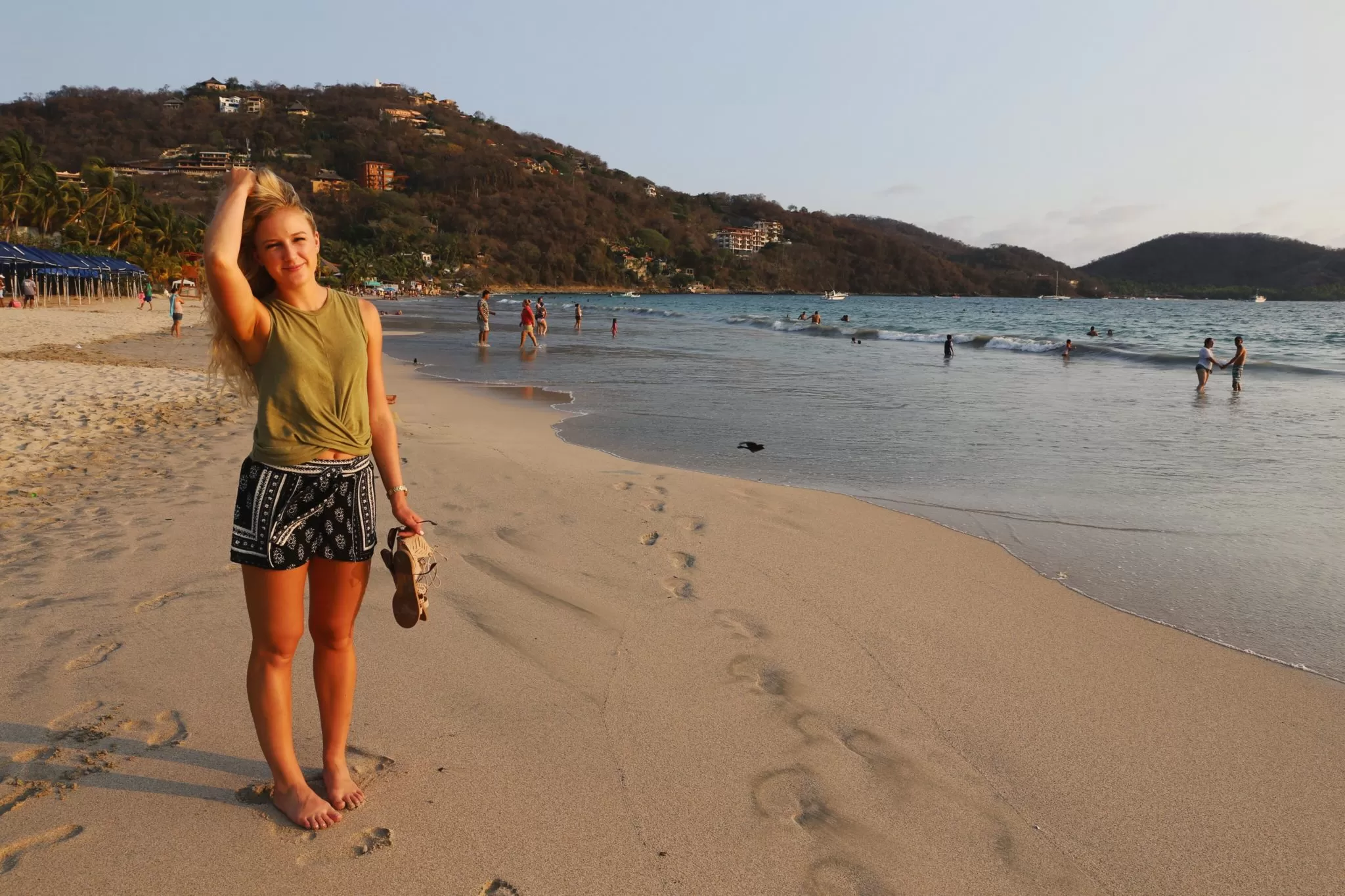 Playa La Ropa beach, a canvas for moments suspended in time
The Crocodile in the Lagoon: A Symbol of Enduring Time
Even seemingly minor details, like the “crocodile lurking in the lagoon next to the patio” of El Manglar, can serve as powerful poetic symbols. A crocodile is an ancient creature, a survivor, representing deep, geological time against the fleeting time of human visitors and meals. Its presence adds a layer of primeval wildness to the otherwise relaxed atmosphere, a reminder that while human time might slow down, the deeper, ancient rhythms of nature persist. This juxtaposition can add depth and complexity to a poem about time in Zihuatanejo.
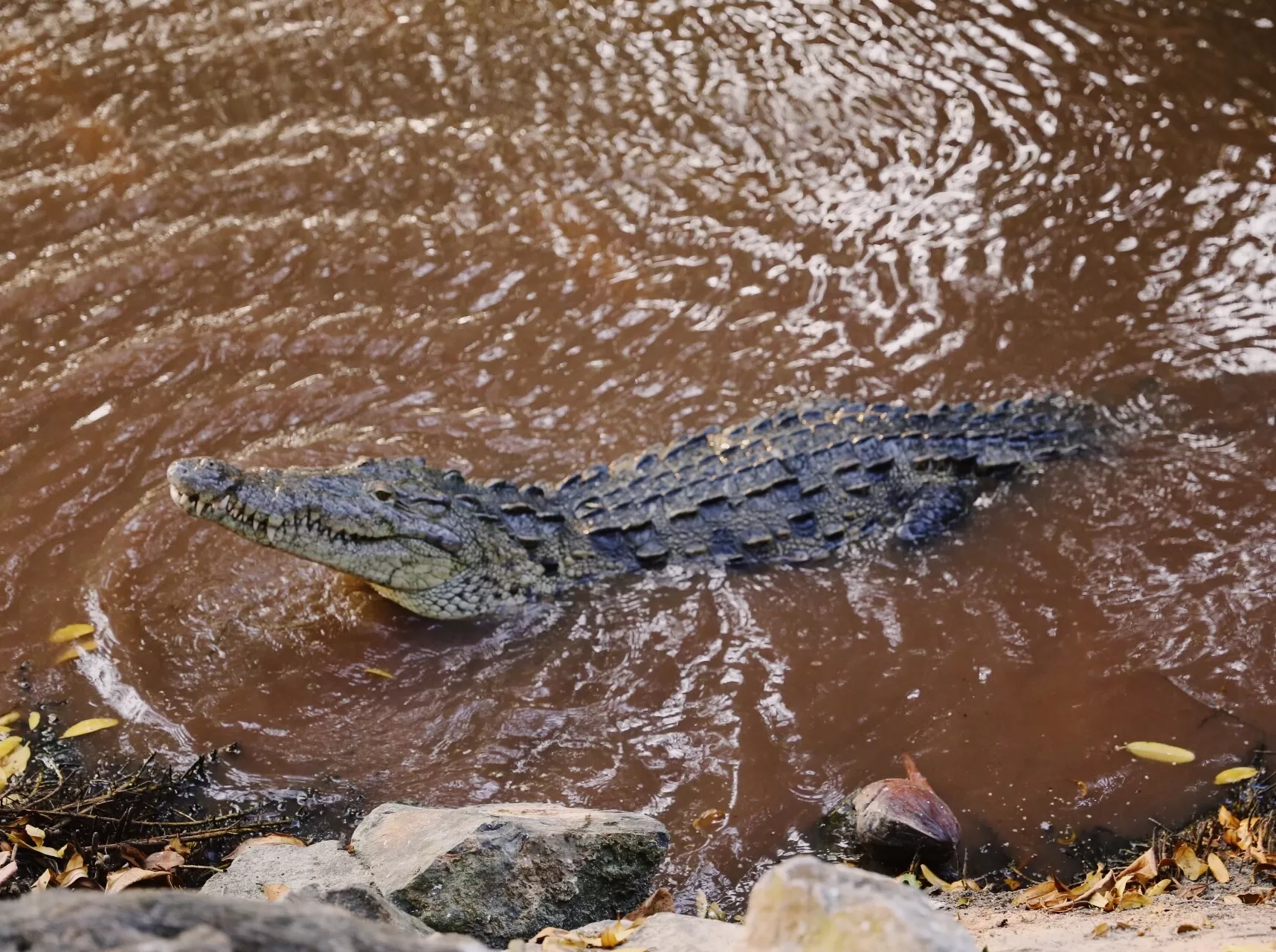 Crocodile in lagoon, a symbol of ancient time amidst fleeting moments in Zihuatanejo
Conclusion: The Resonance of Zihuatanejo Time
Ultimately, “time in Zihuatanejo,” when viewed through a poetic lens, is not about measuring minutes or hours, but about experiencing a quality of time defined by peace, escape, sensory immersion, and a release from external pressures. It is the time of the soul, unclocked and unburdened. The travel experience, as described in the original article, provides the raw material – the places, the feelings, the observations – from which a poet can craft verses exploring these profound themes. Zihuatanejo stands as a resonant symbol, inviting us to consider what true freedom from the constraints of measured time might feel like, echoing Andy Dufresne’s dream and countless travelers’ experiences of finding a different, slower, more fulfilling rhythm on its shores. It is a place where the moments bloom, not fade, holding a timeless quality in the memory.