
 Anne Boleyn
Contents
On May 19, 1536, Anne Boleyn, the second wife of King Henry VIII, was executed at the Tower of London. Her final words, remembered for their composure, unwavering faith, and surprising loyalty to the very king who condemned her, continue to fascinate historians and poetry enthusiasts alike. These words offer a poignant glimpse into the character of this complex and controversial queen.
The Final Testament: Anne Boleyn’s Words on the Scaffold
Chronicler Edward Hall recorded Anne Boleyn’s last words, spoken to the assembled crowd before her execution. They were remarkable for their brevity and dignity:
“Good Christian people, I have not come here to preach a sermon; I have come here to die. For according to the law and by the law I am judged to die, and therefore I will speak nothing against it. I am come hither to accuse no man… I pray God save the King and send him long to reign over you, for a gentler nor a more merciful prince was there never.”
Kneeling before the executioner, her final prayer was a simple testament of faith:
“To Jesus Christ I commend my soul; Lord Jesus receive my soul.”
These few sentences have become central to Anne Boleyn’s legacy. They paint a picture of a woman who, facing imminent death on charges of adultery, incest, and treason, maintained her composure and religious devotion. The words resonate with a quiet strength, suggesting acceptance of her fate rather than defiance.
 Anne Boleyn Portrait
Hever Castle: Echoes of Anne’s Life
Hever Castle in Kent, Anne Boleyn’s childhood home, provides a tangible link to the queen’s early life. A place of refuge and recovery throughout her tumultuous years at court, the castle now houses a permanent exhibition dedicated to Anne and the Boleyn family.
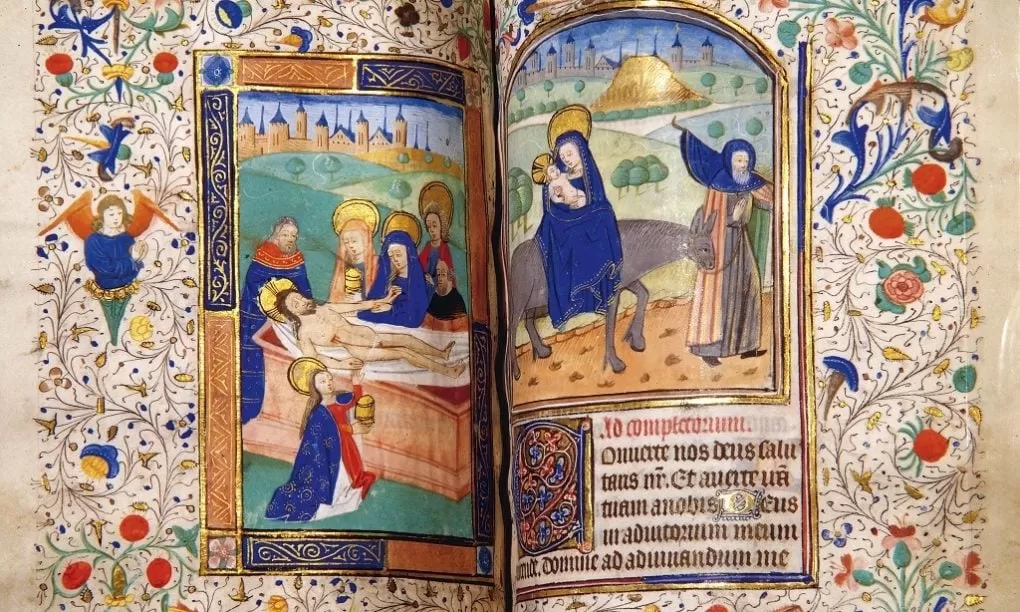
Among the artifacts on display are portraits of Anne and her family, letters exchanged at court, and, most poignantly, two of her personal prayer books (Books of Hours).
A Glimpse into Her Devotion: Anne Boleyn’s Prayer Books
One of the Books of Hours is believed to have accompanied Anne to the Tower of London. Inside, a handwritten inscription offers a poignant glimpse into her thoughts:
“Remember me when you do pray that hope doth lead from day to day. Anne Boleyn.”
The other, an older book dating back to around 1450, contains another inscription:
“Le temps viendra, Je Anne Boleyn” (“The time will come, I Anne Boleyn”).
These prayer books, housed in the Castle’s Book of Hours Room, offer a powerful connection to Anne’s private life and spiritual beliefs.
Anne Boleyn
A Queen’s Fate: The Story Behind the Execution
Anne Boleyn’s dramatic rise and fall profoundly impacted English history. Her refusal to be merely Henry VIII’s mistress led to the English Reformation, a seismic shift in religious and political power. However, her inability to produce a male heir ultimately sealed her fate. Accused of treason and other crimes, she became the first English queen to be publicly executed.
A Lasting Legacy: Anne Boleyn’s Enduring Words
Anne Boleyn’s last words have come to symbolize her dignity and faith in the face of injustice. They offer a lasting testament to her courage and composure in the final moments of her life. Her story continues to captivate, and her final words, though few, speak volumes about the woman who uttered them.