
Baseball, often called America’s pastime, shares more with the art of poetry than one might initially think. Both disciplines involve structure, rhythm, emotional resonance, and the careful placement of elements to create a cohesive and impactful whole. Just as a well-played game unfolds with anticipation, tension, and resolution, a well-crafted poem moves a reader through lines, stanzas, and ideas. For many enthusiasts, the connection is palpable, felt in the cadence of a pitch count, the symmetry of the field, or the narrative arc of a game. A particularly strong link between these two worlds lies in baseball rhymes poems, where the structured musicality of rhyming verse captures the spirit, action, and feeling of the sport.
Poetry forms that utilize rhyme offer a natural way to translate the predictable yet often surprising patterns of baseball into verse. The consistent beat of a meter combined with a defined rhyme scheme can mirror the steady rhythm of nine innings, the back-and-forth of an at-bat, or the familiar comfort of the game’s rules.
 A baseball rests in a brown leather baseball mitt on a wooden surface.
Different rhyming forms lend themselves to capturing various facets of the game. Consider the simple yet effective Alternate Rhyme Scheme (ABAB). This common structure provides a balanced flow, much like the give-and-take between offense and defense. A four-line stanza (quatrain) following this pattern can succinctly capture a specific moment or observation on the field, where the second and fourth lines provide a sense of completion to the first and third, creating a subtle forward momentum.
More complex forms allow for richer narratives or intricate observations. The Rhyme Royal, a seven-line stanza with an ABABCC rhyme scheme, offers a slightly more developed structure capable of building an idea or telling a miniature story within the confines of its lines. Its pattern allows for a setup (ABAB) and a concluding couplet (CC) that can provide a summary, twist, or punchline, much like the final play of an inning or the outcome of a crucial moment.
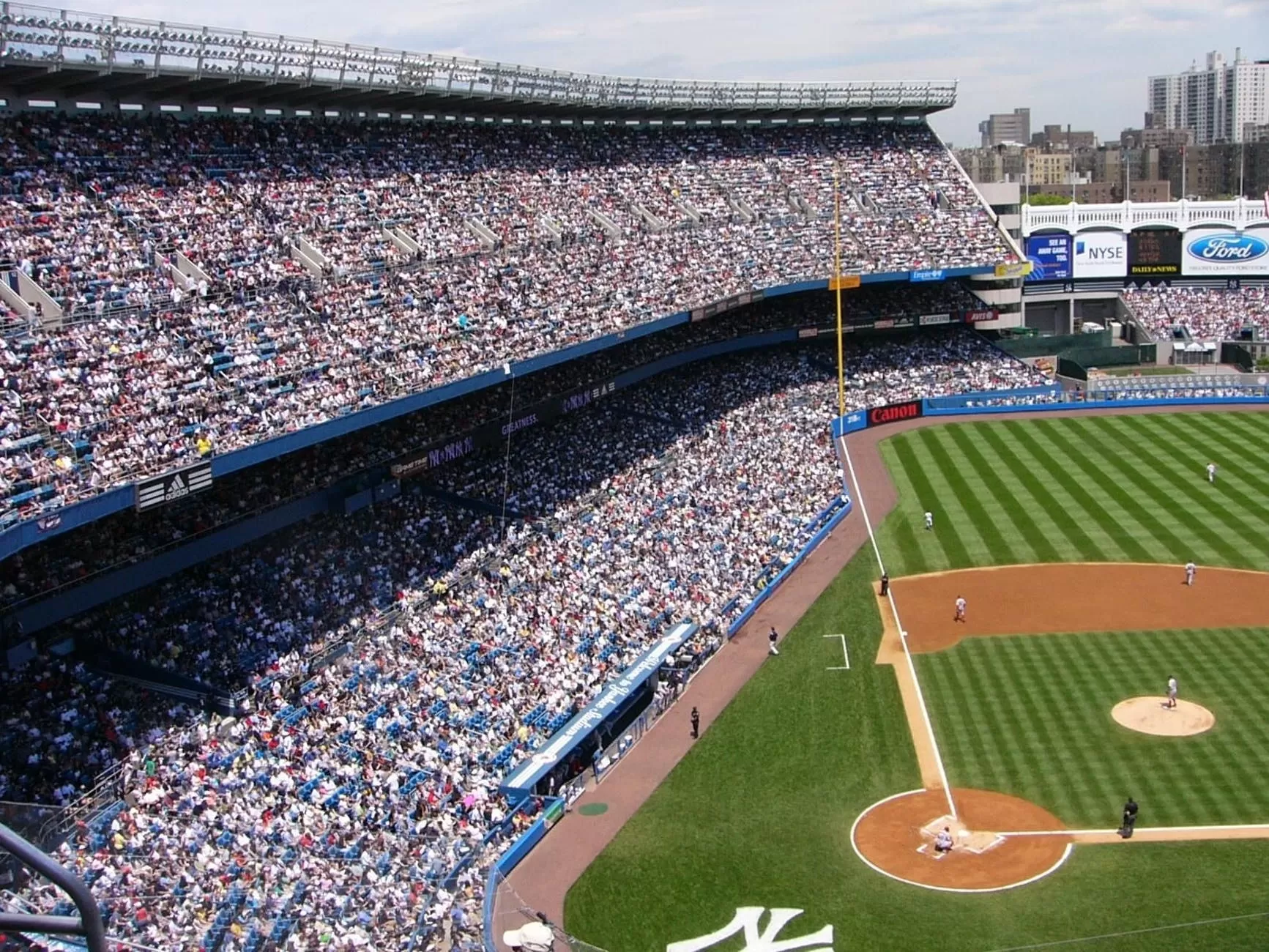
 Aerial view shows players on a baseball field, illustrating the structured nature of the game.
Perhaps the most well-known rhyming form, the Sonnet, with its fourteen lines and established rhyme schemes (like the English Sonnet’s ABAB CDCD EFEF GG), is surprisingly apt for baseball themes, particularly those involving emotion, adoration, or dramatic tension. Traditionally a love poem, a sonnet can easily become an ode to a favorite player, a specific team, or the game itself. The progression through quatrains leading to a final couplet can build an argument or express a developing feeling about the action on the field, culminating in a strong, concluding statement. A sonnet focusing on a specific group like bullpen pitchers, for instance, could explore the anxiety, camaraderie, and sudden bursts of action associated with their role, using the sonnet’s structure to build the emotional tension and resolve it in the final lines.
 A baseball glove and ball lie on the dirt of a baseball field near home plate.
For moments of humor or lighthearted observation, the Limerick provides a playful, compact form. Its AABBA rhyme scheme and distinct rhythm make it perfect for capturing amusing anecdotes, player quirks, or specific, often funny, baseball scenarios in just five lines. While simple, crafting a good baseball limerick requires wit and conciseness, much like executing a quick, clever play.
Even forms that don’t rely on traditional rhyme, like the Haiku (focused on syllable count and imagery) or Free Verse (without strict rules), are sometimes used for baseball poems, demonstrating the versatility of poetic expression. However, it is often the presence of rhyme that provides a familiar, comforting structure for many readers and writers exploring baseball themes. The recurring sound echoes the cyclical nature of the game – the innings, the seasons, the pitching rotation, the return of runners to home plate.
 Close-up grayscale view of a baseball, highlighting its textured surface and stitching.
Creating baseball rhymes poems involves more than just finding words that rhyme. It requires capturing the essence of the game – the crack of the bat, the roar of the crowd, the tension of a close play, the quiet strategy between pitches, the joy of victory, or the sting of defeat – and weaving these elements into a chosen poetic form. The rhymes should feel natural, enhancing the rhythm and meaning rather than feeling forced. When successful, these poems resonate deeply with fans who understand the nuances being described, adding another layer of appreciation to both the sport and the art form.
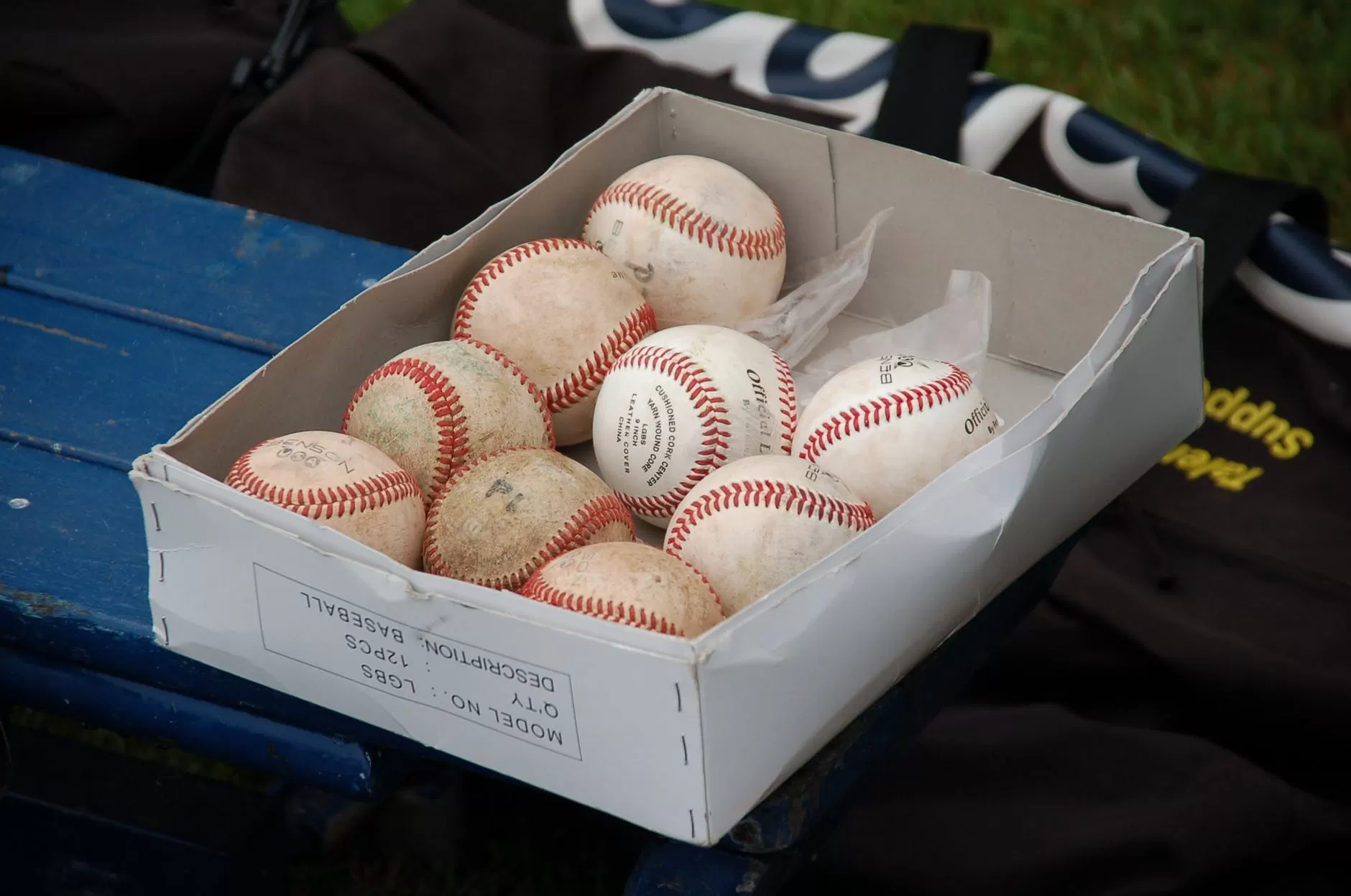 A red and white baseball is shown in a brown wooden box, emphasizing the object itself.
The connection between baseball and rhyming poetry highlights how structure can not only contain but also amplify expression. Whether in the rigid lines of a sonnet describing a tense inning or the lighthearted AABBA bounce of a limerick about a funny outfield mishap, rhyme provides a framework that can make the emotions and moments of baseball sing. Exploring baseball through rhyming poems allows us to see the familiar game with fresh eyes, appreciating the inherent rhythm and structure that make it, much like poetry, a enduring and beloved art.