
Narrative poetry, one of the oldest literary forms, seamlessly blends the art of storytelling with the techniques of poetry. It weaves compelling narratives using elements like plot, setting, and characters while employing poetic devices such as meter, rhyme, and imagery. This article explores various aspects of narrative poetry, providing examples and highlighting its unique characteristics.
Contents
Understanding Narrative Poetry
Narrative poetry’s core lies in its ability to transport readers through a journey in time. Unlike lyric poetry, which captures a moment suspended in time, narrative poetry emphasizes the flow of time, allowing events to unfold, characters to react, and consequences to emerge. This chronological progression is fundamental to the storytelling aspect of the genre.
Distinguishing Narrative Poetry from Other Forms
While both narrative poetry and prose poetry utilize prose elements, they differ significantly in their approach and scope. Prose poetry tends to be shorter, focusing on snapshots of the poet’s mind rather than developing a full-fledged story. It prioritizes lyrical expression over narrative progression.
Exploring Types of Narrative Poetry
Over centuries, distinct types of narrative poetry have emerged, each with its own characteristics:
1. The Epic
Epic poems, often lengthy, celebrate heroic deeds and explore grand themes like war, mythology, and national identity. Examples include The Odyssey, Beowulf, and The Epic of Gilgamesh.
2. The Ballad
Ballads, typically shorter than epics, originated as musical accompaniments to dances. They often recount tales of extraordinary individuals and historical events, focusing on entertainment and emotional impact.
3. The Idyll
Idylls portray idealized rural life, emphasizing the beauty and tranquility of nature. These poems often feature simple rhyme schemes and focus on descriptive language.
4. The Lay
Lays, typically romantic or chivalric tales, originated in medieval France. Often written in octosyllabic verse, they emphasize rhyme and meter, contributing to their musicality.
5. The Novel in Verse
The novel in verse, a modern form, uses poetry to tell a novel-length story. It often incorporates elements like first-person narration, non-linear storytelling, and stream-of-consciousness, allowing for deep exploration of characters’ inner lives. Examples include The Poet X by Elizabeth Acevedo and Inside Out & Back Again by Thanhhà Lai.
Key Characteristics of Narrative Poetry
Several defining features characterize narrative poetry:
- Emphasis on Storytelling: Clear plot, setting, and characters drive the poem.
- Experimental Language: Vivid imagery and figurative language create an immersive experience.
- Non-linear Structure: Time shifts and flashbacks enhance the narrative’s complexity.
- Diverse Forms: From structured epics to free verse novels, form adapts to the story.
- Internal Characterization: Exploration of thoughts and emotions adds depth.
Examples of Narrative Poetry
-
“Litany in Which Certain Things are Crossed Out” by Richard Siken: This poem masterfully uses fragmented narratives to explore themes of love and guilt.
-
“The Glass Essay” by Anne Carson: Blurring the lines between narrative and lyric, this poem interweaves personal reflections with broader philosophical questions.
-
“Casey at the Bat” by Ernest Lawrence Thayer: This classic ballad captures the excitement and suspense of a baseball game, using rhyme and rhythm to build dramatic tension.
-
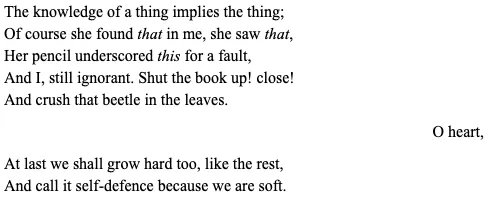
“Aurora Leigh” by Elizabeth Barrett Browning: This Victorian-era novel in verse delves into issues of class, gender, and social justice through the life of its protagonist.
-
“Trevor” by Ocean Vuong: This contemporary poem explores themes of queer desire and masculinity with raw emotion and powerful imagery.
 Alt text: A painting of Aurora Leigh, the protagonist of Elizabeth Barret Browning's narrative poem, pondering over a book.
Conclusion
Narrative poetry offers a powerful way to experience storytelling through the lens of poetic language. Its ability to blend narrative elements with poetic devices creates a unique and engaging reading experience, allowing readers to connect with stories on both intellectual and emotional levels. By understanding its key characteristics and exploring its diverse forms, readers can deepen their appreciation for the enduring power of narrative poetry.