
Introducing children to poetry opens a world of rhythm, imagination, and emotional expression. It’s a wonderful way to enhance language skills, spark creativity, and foster a lifelong love for reading. Finding the right poems can transform hesitant readers into enthusiastic explorers of verse. This article curated a list of some of the best children’s poetry books available, perfect for reading aloud, memorizing, or simply enjoying the magic of words together.
Poetry for young people doesn’t have to be intimidating. It can be playful, funny, insightful, and deeply moving, just like the books on this list. These collections and novels-in-verse offer diverse styles and themes, ensuring there’s something to capture every child’s interest. Whether you’re seeking cool poetry that makes kids laugh or beautifully illustrated poems celebrating nature, this selection aims to guide you to fantastic poetic treasures for young minds.
 Collection of diverse children's poetry books with colorful covers
Here are some highly recommended best children’s poetry books that deserve a spot on any young reader’s bookshelf.
Recommended Children’s Poetry Collections and Books
Tap Dancing on the Roof by Linda Sue Park, illustrated by Istvan Banyai. This unique collection features sijo, a traditional Korean poetic form similar to a haiku or limerick with a distinctive twist in the final line. Park masterfully adapts this form for modern children’s themes, creating clever and often humorous poems. The accompanying illustrations add another layer of delight, making this book a standout choice for introducing different poetic structures in a fun, accessible way. It’s a fantastic example of how specific forms can enhance content, making it both educational and entertaining.
 Cover of Tap Dancing on the Roof by Linda Sue Park
Mirror Mirror: A Book of Reverso Poems by Marilyn Singer, illustrated by Josee Masse. A truly inventive concept, this book presents familiar fairy tales through reverso poems. Each poem can be read forwards and then backwards (line by line, or sometimes phrase by phrase) to offer two distinct perspectives on the same story using the exact same words. The ingenuity required to craft these poems is astounding, and the result is a fascinating exploration of viewpoint and language that feels like a delightful puzzle. It demonstrates the incredible flexibility and artistry within poetry.
Firefly July: A Year of Very Short Poems by Paul B. Janeczko, illustrated by Melissa Sweet. This exquisite collection offers a year-round journey through the seasons with brief, evocative poems. The brevity of the poems makes this an excellent introduction for young readers new to the form, offering quick bursts of imagery and feeling. Melissa Sweet’s stunning, collage-style illustrations perfectly complement the poems’ beauty, capturing the essence of each season and making this book a visual and poetic feast. For readers seeking best short poems ever for kids, this collection is a perfect starting point.
 Cover of Firefly July A Year of Very Short Poems
National Geographic Book of Animal Poetry: 200 Poems with Photographs That Squeak, Soar, and Roar! edited by J. Patrick Lewis. Combining the power of verse with breathtaking photography, this collection features poems about creatures great and small. It brings together a wide range of poets and styles, offering both classic and contemporary voices. The spectacular National Geographic images paired with the poems create a compelling experience that sparks curiosity about the animal kingdom through a poetic lens. Its companion book, National Geographic Book of Nature Poetry, is equally remarkable, exploring the natural world in verse and image.
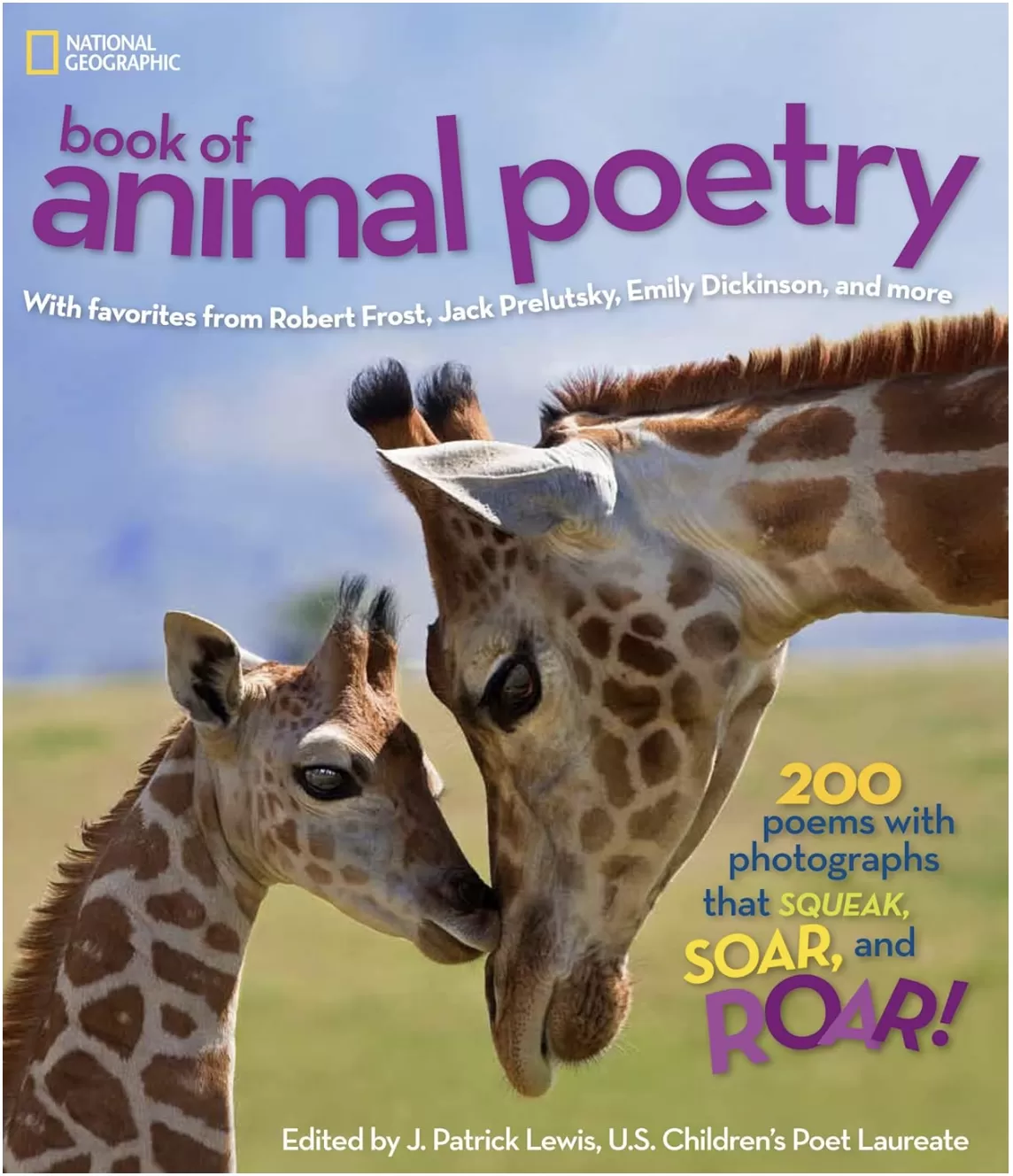 Cover of National Geographic Book of Animal Poetry
A Stick Is an Excellent Thing: Poems Celebrating Outdoor Play by Marilyn Singer, illustrated by LeUyen Pham. This book beautifully captures the simple joys of outdoor play through engaging poems. It resonates with children by highlighting familiar experiences – finding treasures, exploring nature, imaginative games. The poems are full of energy and wonder, making them ideal for reading aloud and inspiring kids to find the poetry in their own everyday adventures. This collection perfectly illustrates how poetry can connect directly with a child’s world and experiences.
Joyful Noise: Poems for Two Voices by Paul Fleischman. A Newbery Medal winner, this book is specifically designed for two readers to perform the poems together. Each poem, focusing on insects, is structured in two columns to be read simultaneously, creating a unique harmony and rhythm. It’s an incredibly creative approach that emphasizes the performance aspect of poetry and encourages interaction and memorization. Learning one of these poems, like “Being A Bee,” with a child offers a memorable shared experience.
 Cover of Poetry for Young People Maya Angelou
Poetry for Young People: Maya Angelou edited by Edwin Graves Wilson, illustrated by Jerome Lagarrigue. Part of a wonderful series, this book introduces young readers to the work of acclaimed poets like Maya Angelou. It features a selection of her most famous poems alongside striking illustrations that help interpret and enhance the verses. The series often includes an insightful introduction to the poet’s life and work, providing valuable context. These books are an excellent resource for exploring the contributions of significant poets in a format accessible to children.
The Random House Book of Poetry for Children edited by Jack Prelutsky, illustrated by Arnold Lobel. A comprehensive anthology, this volume is packed with a wide variety of poems by different authors, curated by the first Children’s Poet Laureate. It’s a fantastic resource for dipping into different styles and themes, offering poems that are funny, thoughtful, and engaging. Having a large collection like this readily available encourages spontaneous poetry reading throughout the day, making poetry a natural part of a child’s environment.
A River of Words: The Story of William Carlos Williams by Jen Bryant, illustrated by Melissa Sweet. While not a collection of poems by various authors, this picture book biography introduces children to the life and work of the famous poet William Carlos Williams. By telling his story and featuring some of his well-known poems, it makes poetry and poets feel more real and approachable. This type of book helps demystify poetry by connecting it to a human life and experience, showing children that poets are real people with interesting stories.
Love That Dog by Sharon Creech. This short novel written in verse tells the story of a young boy named Jack who initially dislikes poetry but learns to love it through his experiences and his teacher’s guidance. The narrative imitates various famous poems, subtly introducing different poetic forms and voices within the story itself. It’s a compelling and moving read that brilliantly illustrates how poetry can help us understand ourselves and the world around us, making it an excellent choice for slightly older children or as a read-aloud to spark discussions about poetry.
Pizza, Pigs, and Poetry: How to Write a Poem by Jack Prelutsky. More than just a collection, this book combines Jack Prelutsky’s signature hilarious poems with explanations of how he was inspired to write them and ideas for children to write their own. It makes the process of creating poetry seem fun and achievable, demystifying the craft. Reading this book aloud can be incredibly entertaining and motivating, showing children that their own experiences and imaginations can be the source of wonderful poems.
National Trust: Tiger, Tiger, Burning Bright!: An Animal Poem for Every Day of the Year by Fiona Waters, illustrated by Britta Teckentrup. This visually stunning and extensive collection offers a different animal poem for each day. Featuring a mix of classic and contemporary poems paired with Britta Teckentrup’s captivating illustrations, it provides a daily dose of poetic beauty and connection to the animal world. Keeping a volume like this visible encourages a regular, gentle engagement with poetry. If you’re looking for a reindeer poem or verses about other specific animals, this book likely has it covered within its vast pages.
My Daddy Rules the World: Poems about Dads by Hope Anita Smith. This heartfelt collection focuses on the theme of fathers, a topic many children can deeply connect with. The poems are both sweet and funny, capturing the varied aspects of the father-child relationship. Focusing on relatable themes like family and emotions makes poetry more accessible and personal for young readers, demonstrating that poems can be about the people and feelings closest to them. While exploring family bonds, you might also enjoy reading poems about my love for him.
Introducing children to the best children’s poetry is an investment in their literacy, creativity, and emotional development. These books offer diverse entry points into the world of verse, from playful rhymes and animal adventures to stories told in poetic form and introductions to famous poets. Picking up a poetry book can transform a quiet moment into an exploration of language and feeling. We hope this list inspires you to share the joy of poetry with the children in your life.