
Poetry has the remarkable ability to capture the essence of human experience, distilling complex emotions, profound thoughts, and vivid imagery into concise, impactful language. For centuries, certain poems have resonated across cultures and generations, becoming not just literary works but cultural touchstones. These aren’t always the most technically complex or obscure pieces; often, the best poems are those that speak directly to the heart, challenge our perspectives, or articulate universal truths with unforgettable grace and power.
Contents
- Classic and Modern Masterpieces: A Curated Selection of Best Poems
- William Carlos Williams, “The Red Wheelbarrow”
- T. S. Eliot, “The Waste Land”
- Robert Frost, “The Road Not Taken”
- Gwendolyn Brooks, “We Real Cool”
- Elizabeth Bishop, “One Art”
- Emily Dickinson, “Because I could not stop for Death –”
- Langston Hughes, “Harlem”
- Sylvia Plath, “Daddy”
- Robert Hayden, “Middle Passage”
- Wallace Stevens, “Thirteen Ways of Looking at a Blackbird”
- Allen Ginsberg, “Howl”
- Maya Angelou, “Still I Rise”
- Dylan Thomas, “Do Not Go Gentle into That Good Night”
- Samuel Taylor Coleridge, “Kubla Khan”
- Percy Bysshe Shelley, “Ozymandias”
- Edgar Allan Poe, “The Raven”
- Louise Glück, “Mock Orange”
- Paul Laurence Dunbar, “We Wear the Mask”
- e.e. cummings, “i carry your heart with me”
- Marianne Moore, “Poetry”
- Rudyard Kipling, “If—”
- Gertrude Stein, “Sacred Emily”
- William Blake, “The Tyger”
- Robert Burns, “To a Mouse”
- Walt Whitman, “Song of Myself”
- Philip Larkin, “This Be The Verse”
- William Shakespeare, “Sonnet 18” (“Shall I compare thee to a summer’s day?”)
- Audre Lorde, “Power”
- Frank O’Hara, “Meditations in an Emergency”
- John McCrae, “In Flanders Fields”
- Lewis Carroll, “Jabberwocky”
- W. B. Yeats, “The Second Coming”
- Expanding the Horizon: More Best Poems to Discover
- Adrienne Rich, “Diving into the Wreck”
- Patricia Lockwood, “Rape Joke”
- Lucille Clifton, “Homage to My Hips”
- Sappho, “The Anactoria Poem” (Fragment 31)
- Carolyn Forché, “The Colonel”
- Nikki Giovanni, “Ego Tripping (there may be a reason why)”
- The Enduring Power of Best Poems
What makes a poem one of the “best”? It’s a combination of factors: enduring artistic merit, technical mastery, emotional depth, intellectual stimulation, and significant cultural impact. A single poem can shift the way we see the world, offering solace, inspiration, or a stark reflection of reality. For those eager to explore the landscape of poetry, knowing which poems have had the most significant impact is a perfect starting point. This collection highlights some of the best poems ever written, each a testament to the power and beauty of the form.
If you’re beginning your journey into verse or looking to revisit foundational works, delving into these selections is an excellent way to deepen your appreciation for the art. For further reading and exploration, you might find insight in lists covering the 10 best poems ever written.
Classic and Modern Masterpieces: A Curated Selection of Best Poems
Selecting a definitive list of the “best” is inherently subjective, but the poems featured here have consistently appeared in anthologies, sparked critical debate, influenced subsequent writers, and found a lasting place in the collective imagination. We’ve limited ourselves to one key poem per poet to showcase a wider range of voices and styles.
William Carlos Williams, “The Red Wheelbarrow”
Often cited as a perfect example of the Imagist movement, “The Red Wheelbarrow” demonstrates how profound insight can be derived from simple, concrete observation. Its eighteen words across four stanzas emphasize the importance of ordinary objects, suggesting that “so much depends / upon” even the most humble elements of daily life. Its deceptive simplicity invites deep contemplation on perception and value, cementing its place among the best poems for its innovative form and lasting impact.
T. S. Eliot, “The Waste Land”
A monumental work of 20th-century modernism, “The Waste Land” is a complex, fragmented exploration of post-war disillusionment, cultural decay, and spiritual aridity. Drawing on a vast array of literary, mythological, and religious references, Eliot crafts a landscape of ruin and searching. Its groundbreaking structure and challenging themes make it essential reading for understanding modern poetry and its response to a fractured world, solidifying its status as one of the best poems of its era.
Robert Frost, “The Road Not Taken”
Perhaps one of the most quoted and frequently misinterpreted poems in the English language, “The Road Not Taken” explores themes of choice, consequence, and individuality through the simple image of diverging paths in a wood. While often read as an anthem of non-conformity, a closer look reveals layers of ambiguity and potential irony. Frost’s accessible language combined with subtle complexity makes this a enduring favorite among best poems. For more on his work, explore robert frost best poems.
Gwendolyn Brooks, “We Real Cool”
This powerful, compact poem offers a stark portrayal of young pool players who live fast and face an uncertain future. Its innovative use of rhythm and enjambment, particularly the placement of “We” at the end of each line, creates a unique musicality and underscores the collective identity and precarious existence of the speakers. Brooks’s masterful compression of narrative and theme makes it a widely studied and admired example of concise, impactful verse, earning its spot among the best poems.
Elizabeth Bishop, “One Art”
A villanelle that elevates the formal challenge of the form into a deeply moving meditation on loss, “One Art” is a masterpiece of controlled emotion. Bishop catalogues various losses, from keys and places to continents and loved ones, with a seemingly detached, almost clinical tone that belies the raw grief beneath. The poem’s deceptive simplicity and profound emotional resonance make it one of the most highly regarded poems of the 20th century and a clear candidate for any list of best poems.
 Cover of a collection of Elizabeth Bishop's poems, featuring her masterpiece 'One Art'
Emily Dickinson, “Because I could not stop for Death –”
Dickinson’s exploration of mortality is both whimsical and profound, personifying Death as a courteous suitor taking the speaker on a carriage ride towards eternity. The journey passes through stages of life, culminating in a chilling realization of time’s passage from the perspective of the afterlife. Her unique syntax, capitalization, and use of dashes create a voice unlike any other, making this poem a defining work of American literature and one of the most celebrated best poems on death. For other contemplative works, consider best poems for funerals.
 Cover of a complete poems collection by Emily Dickinson, featuring her unique best poems
Langston Hughes, “Harlem”
Also known as “Dream Deferred,” Hughes’s iconic poem asks a series of rhetorical questions about what happens when a dream is postponed. Written at the height of the Harlem Renaissance, it captures the frustrations and simmering tensions within the Black community striving for equality and opportunity. Its powerful central metaphor and resonant questions have made it enduringly relevant and one of the best poems addressing social issues.
 Cover of The Collected Poems of Langston Hughes, linking to Harlem Renaissance best poems
Sylvia Plath, “Daddy”
A searing, controversial, and intensely personal poem, “Daddy” uses stark, often violent imagery and nursery-rhyme rhythms to confront themes of patriarchal oppression, trauma, and liberation. Addressed to her deceased father, the poem transforms personal pain into a powerful, cathartic expression of rage and independence. Its raw emotional intensity and daring language make it one of Plath’s most iconic and widely discussed works, firmly among the best poems for its visceral impact.
 Cover of Sylvia Plath's collection Ariel, highlighting her powerful poem 'Daddy'
Robert Hayden, “Middle Passage”
Hayden’s epic poem is a powerful, unflinching depiction of the brutal transatlantic slave trade. Drawing on historical documents, journals, and imagined voices, it conveys the horror, suffering, and resilience of enslaved Africans. As the first African-American Poet Laureate, Hayden brought historical depth and moral clarity to his work, and “Middle Passage” stands as a towering achievement in American poetry, essential for understanding this dark chapter of history through verse, making it one of the undeniable best poems on the subject.
 Cover of Robert Hayden's poem 'Middle Passage', referencing his status as first African-American Poet Laureate
Wallace Stevens, “Thirteen Ways of Looking at a Blackbird”
This poem is a series of thirteen distinct, brief vignettes, each offering a different perspective or observation involving a blackbird. It explores the relationship between the observer and the observed, the interplay of imagination and reality, and the multiplicity of perception. Stevens’s philosophical depth and elegant, spare language make this a fascinating study in poetic perspective and a perennial favorite among experimental best poems.
Allen Ginsberg, “Howl”
A seminal work of the Beat Generation, “Howl” is a sprawling, prophetic rant against conformity, consumerism, and the oppressive forces of 1950s America. Its long, Whitmanesque lines and raw, confessional style broke poetic conventions and became an anthem for counterculture movements. The poem’s energy, passion, and social critique cemented its place as a defining work of its time and one of the most influential best poems of the post-war era.
 Cover of Allen Ginsberg's seminal poem 'Howl', mentioning Beat Generation best poems
Maya Angelou, “Still I Rise”
An empowering anthem of resilience and strength, “Still I Rise” speaks with defiant pride against historical oppression and personal hardship. Angelou’s direct, accessible language and strong, rhythmic voice resonate deeply, celebrating the indomitable spirit of survival and self-acceptance. Its powerful message has made it one of her most famous and beloved poems, widely recognized as one of the most inspiring best poems.
 Cover of Maya Angelou's iconic collection Still I Rise, featuring the title poem, considered one of the best poems
Dylan Thomas, “Do Not Go Gentle into That Good Night”
A powerful villanelle urging the reader (specifically, his dying father) to resist death with all their might. Thomas uses vivid metaphors of light and dark, life and death, to convey a passionate plea for vitality in the face of the end. Its fierce energy and universal theme of confronting mortality have made it one of the most iconic and frequently quoted poems of the 20th century, solidifying its place among the best poems on this theme.
 Cover featuring the title 'Do Not Go Gentle into That Good Night' by Dylan Thomas, a widely referenced best poem
Samuel Taylor Coleridge, “Kubla Khan”
A fragment famously composed after an opium-induced dream, “Kubla Khan” is a lush, evocative journey into a fantastical landscape of pleasure domes, sacred rivers, and prophetic visions. Its vivid imagery and musical language create a sense of mysterious beauty and unfulfilled inspiration. Despite being unfinished, its hypnotic quality and imaginative power have captivated readers for centuries, establishing it as one of the most famous and mesmerizing best classic poems.
 Cover featuring Samuel Taylor Coleridge's poem Kubla Khan, one of the best classic poems
Percy Bysshe Shelley, “Ozymandias”
This sonnet is a timeless reflection on the transient nature of power and the inevitable decay of empires. Through the narrative of a traveler encountering the ruins of a colossal statue in a desert, Shelley presents a powerful critique of pride and tyranny. Its enduring message and striking imagery make it a popular and impactful work, consistently cited among the best poems on themes of history and power.
Edgar Allan Poe, “The Raven”
Poe’s narrative poem is a masterclass in atmosphere, rhythm, and psychological descent. The speaker’s grief over his lost love, Lenore, is exacerbated by the arrival of a mysterious raven that can only utter the word “Nevermore,” driving him deeper into despair. The poem’s haunting musicality and exploration of obsession have made it a cultural phenomenon and one of the most recognizable and chilling best poems in American literature.
Louise Glück, “Mock Orange”
A stark and powerful poem about the complexities and dissatisfactions of physical love, “Mock Orange” uses the scent of the flower as a trigger for memories and reflections. Glück’s signature spare, direct language confronts difficult truths about desire, intimacy, and the search for meaning. Its raw honesty and lyrical intensity have made it a significant work in contemporary poetry and a compelling example of the best poems that delve into challenging emotional territory.
Paul Laurence Dunbar, “We Wear the Mask”
This poignant poem articulates the hidden pain and suffering endured by those who must conceal their true feelings and identities behind a facade of contentment or indifference. Written by one of the first influential African-American poets, it speaks powerfully to the experience of racial oppression and the psychological toll of maintaining a public face different from one’s private reality. Its emotional depth and historical context make it a crucial and moving example of the best poems of witness.
 Cover of The Complete Poems of Paul Laurence Dunbar, featuring his best poem 'We Wear the Mask'
e.e. cummings, “i carry your heart with me”
Cummings’s beloved love poem is instantly recognizable for its unconventional structure and typography, but its enduring appeal lies in its deeply sincere and expansive declaration of love. The speaker internalizes the beloved, carrying their heart within their own, making their love an inextricable part of their being and the world itself. Its unique form and heartfelt message make it a popular choice for special occasions and one of the most cherished best poems about love. For similar themes, explore best poems about love for him.
 Cover of a collection of e.e. cummings' complete poems, highlighting his love best poems
Marianne Moore, “Poetry”
In this meta-poetic work, Moore reflects on the nature and value of poetry itself. Famously beginning with the line “I, too, dislike it,” the poem paradoxically argues for the importance of “genuine” poetry that offers something “useful” or “real.” Her intellectual rigor, precise language, and willingness to challenge conventional notions of poetry make this a fascinating and influential work for anyone interested in the craft itself, placing it among the most insightful best poems on art.
Rudyard Kipling, “If—”
Written as paternal advice to his son, “If—” outlines a set of virtues and behaviors necessary for achieving true manhood and resilience. The poem’s stoic tone, clear instructions, and focus on self-mastery have made it incredibly popular as an inspirational text, particularly in contexts emphasizing perseverance and integrity. Its powerful message, though sometimes debated for its colonial undertones, has resonated widely, making it one of the most famous and widely quoted best poems of guidance.
 Cover of a collection of Rudyard Kipling's poetry, including the famous best poem 'If'
Gertrude Stein, “Sacred Emily”
Known for its experimental language and repetitive phrases, “Sacred Emily” contains perhaps the most famous line in all of modern literature: “Rose is a rose is a rose is a rose.” While seemingly simple, this line, and the poem as a whole, challenges conventional meaning and invites readers to experience language for its sound and form rather than just its denotation. Stein’s radical approach makes this poem a landmark in modernist experimentation and a key example among best poems that push boundaries.
William Blake, “The Tyger”
From his Songs of Experience, “The Tyger” is a mesmerizing and awe-inspiring exploration of creation and the nature of evil or fearful beauty. The speaker questions the divine craftsman who could create something so terrifying yet magnificent. Blake’s powerful imagery and rhythmic intensity make this poem unforgettable, prompting deep philosophical questions and securing its place as one of the most celebrated best poems from the Romantic era.
 Cover featuring William Blake's poem The Tyger, a prominent Romantic era best poem
Robert Burns, “To a Mouse”
Written in Scots dialect, this poem is an apology to a mouse whose nest the speaker has accidentally destroyed while plowing a field. The poem’s tender empathy for the small creature and its famous lines reflecting on the unpredictable nature of life – “The best laid schemes o’ Mice an’ Men / Gang aft agley” – have given it lasting resonance. Burns’s humanity and keen observation of the natural world make this a touching and enduring classic among best poems.
Walt Whitman, “Song of Myself”
The central, sprawling poem in Whitman’s groundbreaking collection Leaves of Grass, “Song of Myself” is a radical celebration of the self, the body, nature, and the democratic spirit of America. With its free verse form, expansive vision, and inclusive voice, it shattered poetic norms and redefined American poetry. Whitman’s exuberant embrace of existence and his connection to the common experience make this a monumental achievement and arguably one of the single best poems ever written in America.
Philip Larkin, “This Be The Verse”
Known for his bleak, witty, and often cynical perspective, Larkin opens this poem with the famously blunt line: “They f**k you up, your mum and dad.” The poem is a darkly humorous meditation on how parental influence and inherited flaws shape individuals, suggesting that the cycle of misery is passed down through generations. Its shocking opening and cynical wisdom have made it incredibly memorable and a standout among best poems tackling family dynamics with unvarnished honesty.
 Cover featuring Philip Larkin's poem 'This Be The Verse', known for its darkly humorous best poetry
William Shakespeare, “Sonnet 18” (“Shall I compare thee to a summer’s day?”)
One of the most famous love poems in the English language, Shakespeare’s Sonnet 18 praises the beauty of the beloved and asserts the power of poetry to immortalize that beauty. The comparison to a summer’s day highlights the temporary nature of physical beauty, which is ultimately surpassed by the eternal life granted by the poem itself. Its elegant structure and enduring theme make it a quintessential example of the best poems about love and art.
Audre Lorde, “Power”
A fiercely important poem written in response to the acquittal of a police officer who killed a young Black boy. Lorde weaves together personal grief, public outrage, and the systemic failures of justice. The poem’s raw emotion, sharp critique, and call for accountability make it a potent work addressing racial injustice and power structures. It remains a vital and powerful example of politically engaged poetry and is considered one of the most significant best poems of its kind.
Frank O’Hara, “Meditations in an Emergency”
This poem captures the vibrant, immediate, and often chaotic energy of life in New York City in the mid-20th century. O’Hara’s confessional, conversational style blends everyday observations with moments of introspection and vulnerability. The poem feels like a stream of consciousness, moving fluidly between external events and internal states, embodying a unique voice and perspective that makes it a celebrated example among best poems of the New York School.
 Cover of Frank O'Hara's Meditations in an Emergency collection, including the title best poem
John McCrae, “In Flanders Fields”
Written during World War I by a Canadian military doctor, this poignant poem captures the somber reality of the battlefield and serves as a powerful memorial to the fallen soldiers. The image of poppies growing among the graves in Flanders Fields became a lasting symbol of remembrance. The poem’s simple yet evocative language and its connection to historical events have made it one of the most famous and deeply resonant best poems of wartime.
Lewis Carroll, “Jabberwocky”
Featured in Through the Looking-Glass, “Jabberwocky” is a masterful example of nonsense poetry that tells a narrative of heroism using invented words. While the vocabulary is nonsensical, the poem follows recognizable English syntax and structure, allowing readers to grasp a sense of the story and meaning through context. Its playful creativity and linguistic inventiveness have made it a favorite for generations and arguably the most famous and best nonsense poem ever written.
 Cover of The Random House Book of Poetry for Children, likely featuring Lewis Carroll's best nonsense poem 'Jabberwocky'
W. B. Yeats, “The Second Coming”
Written in the aftermath of World War I and the Irish War of Independence, Yeats’s poem is a powerful and unsettling vision of societal breakdown and the collapse of traditional order. Its famous lines, “Things fall apart; the centre cannot hold; / Mere anarchy is loosed upon the world,” have become widely quoted to describe moments of historical crisis. Its potent imagery and sense of impending chaos make it one of the most impactful and enduring best poems reflecting on historical transition.
Expanding the Horizon: More Best Poems to Discover
While the poems above represent a core selection of widely recognized masterpieces, the world of poetry is vast and ever-evolving. Many other poems and poets deserve recognition for their artistic excellence and cultural impact. Here are a few more examples that consistently appear in discussions of the best poems, offering different perspectives and pushing the boundaries of the form:
Adrienne Rich, “Diving into the Wreck”
Rich’s seminal poem uses the extended metaphor of exploring a sunken ship to delve into themes of history, identity, feminism, and the search for truth in patriarchal structures. The speaker descends into the wreck, armed with tools and a camera, seeking to understand the past and her place within it. Its powerful imagery, intellectual depth, and feminist perspective make it a cornerstone of contemporary poetry and a compelling addition to any list of best poems.
 Cover of Adrienne Rich's collection Diving into the Wreck, featuring the title best poem
Patricia Lockwood, “Rape Joke”
A provocative and widely discussed poem that addresses sexual assault with dark humor, unflinching honesty, and a defiant reclaiming of narrative. Lockwood uses repetition and a conversational tone to highlight the absurdity and horror of the experience and its aftermath. Its viral spread and the raw conversation it sparked demonstrate the power of poetry to confront difficult subjects head-on, marking it as a significant and courageous example among recent best poems.
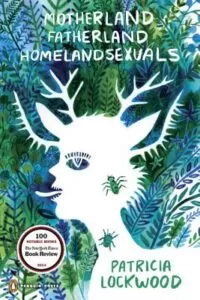 Cover of Patricia Lockwood's Motherland Fatherland Homelandsexuals, containing the viral best poem 'Rape Joke'
Lucille Clifton, “Homage to My Hips”
A joyous and confident celebration of the female body, specifically the speaker’s hips, which are described as “big hips” that “need space to / move around in.” The poem is short, rhythmic, and full of self-love and assertion. It’s a powerful statement of body positivity and Black womanhood, using simple language to convey profound self-acceptance and strength. Clifton’s ability to infuse the ordinary with deep meaning makes this a wonderful example among best poems of celebration and identity.
Sappho, “The Anactoria Poem” (Fragment 31)
Though only fragments of her work survive, Sappho of Lesbos is one of the most important lyric poets of ancient Greece, renowned for her direct and passionate expressions of love and desire, primarily for women. This fragment vividly describes the physical and emotional turmoil experienced by the speaker upon seeing her beloved, Anactoria, interacting with a man. Its raw, physiological depiction of intense emotion has resonated through millennia, solidifying Sappho’s place among the earliest and best poems of personal feeling.
 Cover of The Poetry of Sappho translated by Jim Powell, featuring the ancient best poem 'The Anactoria Poem'
Carolyn Forché, “The Colonel”
Based on a true experience, this prose poem is a chilling account of a visit to the home of a military colonel in El Salvador during its civil war. The vivid, disturbing details, culminating in the colonel dumping a bag of human ears onto a table, expose the casual brutality of political violence. Forché’s unflinching reportage and stark imagery make this poem a powerful act of witness and a harrowing reminder of the realities faced by those living under oppressive regimes, making it one of the most impactful best poems of witness.
Nikki Giovanni, “Ego Tripping (there may be a reason why)”
A vibrant and empowering poem that traces the speaker’s lineage back to ancient African civilizations and myths, claiming a heritage of power, beauty, and accomplishment. Giovanni asserts a cosmic self-importance with bold, playful language (“I am so hip even my errors are correct”). It’s a powerful statement of Black identity and self-worth, delivered with infectious confidence and rhythm, making it a celebrated example among best poems of cultural pride and self-affirmation.
 Cover featuring Nikki Giovanni's poem 'Ego Tripping', an empowering work and one of her best poems
The Enduring Power of Best Poems
This exploration merely scratches the surface of the vast and rich world of poetry. Each of these selections, from classic sonnets to modern free verse, offers a unique window into human experience and the versatile capabilities of language. Engaging with these best poems allows us to connect with voices across centuries and cultures, to see the world through different eyes, and to find beauty, challenge, and understanding in the carefully chosen words of masterful poets. Whether you seek emotional resonance, intellectual stimulation, or simply the pleasure of beautiful language, these poems provide a profound and rewarding starting point.