
The English language boasts a rich tapestry of poetic expression, spanning centuries and encompassing a diverse range of voices and themes. From the romantic sonnets of Shakespeare to the poignant reflections of modern poets, certain works have transcended their time to become ingrained in our collective consciousness. This exploration delves into some of the best poems of the English language, highlighting their enduring power and exploring what makes them truly iconic.
Contents
 The Collected Poems of Langston Hughes
Defining “Iconic”
While literary merit undoubtedly plays a role, a poem’s iconic status is primarily determined by its cultural ubiquity – its presence in popular culture, its resonance with readers across generations, and its ability to evoke powerful emotions and spark meaningful conversations. These poems have become touchstones, offering solace, inspiration, and a shared sense of human experience.
A Selection of Enduring Masterpieces
This is not an exhaustive list, but a starting point for exploring the vast landscape of English poetry. Each poem offers a unique window into the human condition.
Timeless Voices
- William Shakespeare, “Sonnet 18”: “Shall I compare thee to a summer’s day?” This quintessential love poem captures the essence of romantic idealization.
 emily dickinson complete poems
- Emily Dickinson, “Because I could not stop for Death –”: A hauntingly beautiful meditation on mortality, where Death becomes a gentle companion on a carriage ride through eternity.
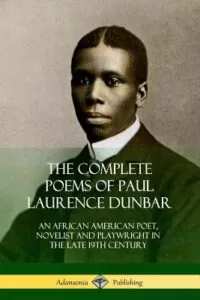 The Collected Poems of Paul Laurence Dunbar
-
Paul Laurence Dunbar, “We Wear the Mask”: A powerful and poignant exploration of the hidden pain and resilience of marginalized communities.
-
Walt Whitman, “Song of Myself”: A celebration of individualism, nature, and the interconnectedness of all things. Whitman’s expansive vision helped shape the course of American poetry.
Modern Echoes
-
T.S. Eliot, “The Waste Land”: A fragmented and complex masterpiece reflecting the disillusionment of post-World War I society.
-
Sylvia Plath, “Daddy”: A raw and unsettling exploration of a complex father-daughter relationship. Plath’s confessional style continues to resonate with readers today.
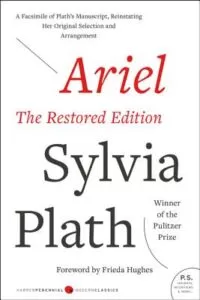 ariel
ariel
- Langston Hughes, “Harlem”: A powerful and evocative poem exploring the deferred dreams and simmering frustrations of Black Americans in the early 20th century.
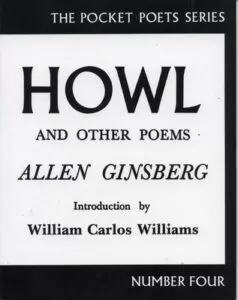 howl
howl
- Allen Ginsberg, “Howl”: A visceral and rebellious cry against the conformity and materialism of post-war America.
Expanding the Canon
Beyond the traditionally celebrated works, it’s crucial to recognize the contributions of diverse voices that enrich the poetic landscape. Poets like Gwendolyn Brooks, Elizabeth Bishop, Maya Angelou, Adrienne Rich, and countless others offer unique perspectives and powerful expressions of human experience, further expanding the definition of “the best.”
The Enduring Power of Poetry
These poems, and many others, continue to captivate and inspire readers. They offer solace, challenge our perspectives, and remind us of the shared human experiences that bind us together. Whether exploring themes of love, loss, nature, or social injustice, the best poems of the English language invite us to delve into the depths of human emotion and the complexities of the world around us.
A Continual Journey
The exploration of poetry is a lifelong journey. By engaging with these iconic works and discovering new voices, we can deepen our understanding of the art form and its enduring power to illuminate the human experience.