
Poetry, in its myriad forms and voices, offers a profound window into the human experience. It captures fleeting emotions, dissects complex societal issues, and illuminates the beauty and brutality of the world around us. For many, discovering poetry begins with encountering individual powerful lines or verses. But the true depth and scope of a poet’s vision often blossom most fully within a curated collection of best poems. These collections represent not just a grouping of individual works, but a deliberate arrangement that builds themes, explores evolving techniques, and showcases the trajectory of a creative mind. A carefully assembled poetry collection can be a journey in itself, guiding the reader through landscapes of thought and feeling that single poems can only hint at. Finding the best such collections, however, can be a delightful challenge in the vast landscape of published work. What makes a collection stand out? Is it technical mastery, emotional resonance, innovative form, or profound insight? Often, it is a harmonious blend of these elements, creating a work that lingers in the mind and heart long after the final page is turned.
Contents
- The Top Ten Collections
- Anne Carson, Nox (2010)
- Terrance Hayes, Lighthead (2010)
- Tracy K. Smith, Life on Mars (2011)
- Natalie Diaz, When My Brother Was an Aztec (2012)
- Natasha Trethewey, Thrall (2012)
- Mary Szybist, Incarnadine (2013)
- Claudia Rankine, Citizen: An American Lyric (2014)
- Robin Coste Lewis, Voyage of the Sable Venus (2015)
- Ocean Vuong, Night Sky with Exit Wounds (2016)
- Danez Smith, Don’t Call Us Dead (2017)
- Dissenting Opinions
- C.D Wright, One with Others (2010)
- Mark Leidner, Beauty Was the Case They Gave Me (2011)
- Cathy Park Hong, Engine Empire (2012)
- Eduardo C. Corral, Slow Lightning (2012)
- Patricia Lockwood, Motherland Fatherland Homelandsexuals (2014)
- Ross Gay, Catalog of Unabashed Gratitude (2015)
- Ada Limón, Bright Dead Things (2015)
- Donika Kelly, Bestiary (2016)
- Dawn Lundy Martin, Good Stock Strange Blood (2017)
- Carl Phillips, Wild is the Wind (2018)
- Franny Choi, Soft Science (2019)
- Honorable Mentions
- Conclusion
- References
The past decade, spanning from 2010 to 2019, has been a remarkably fertile period for poetry published in English. Amidst a complex and often turbulent global environment, poets have continued to craft works of astonishing power, beauty, and relevance. Identifying the collection of best poems from this prolific output is, by its nature, a subjective and challenging endeavor. Literary critics, poets, and avid readers alike engage in passionate discussions, championing works that have resonated deeply with them. Recognizing the significance of these conversations, the staff at Literary Hub undertook the task of identifying what they considered the most impactful and enduring poetry collections published during this ten-year span. Their selection, the result of rigorous debate and multiple rounds of voting, offers a valuable perspective on the collections that shaped the poetic landscape of the 2010s. While any such list is inherently open to discussion and personal preference, their considered choices provide an excellent starting point for anyone seeking a collection of best poems from this recent era to read, study, and cherish. What follows is an exploration of the collections they highlighted, delving into the unique qualities that make each one a significant contribution to contemporary poetry and a worthy addition to any reader’s library.
The Top Ten Collections
Selected through extensive debate and voting by the staff of Literary Hub, these ten collections represent what they deemed the most significant and impactful works published between 2010 and 2019. Each book offers a distinct voice and approach, contributing uniquely to the rich tapestry of contemporary poetry.
Anne Carson, Nox (2010)
Was there ever a book quite like Nox? There is an argument it isn’t even a book, but a box. Inside is a folded, accordion-like object, which, as it turns out, is a full-color copy of one of Carson’s own notebooks. It is the notebook—including its stains, its mistakes, the ink that shows through the other sides of pages—in which Carson grappled with the 2000 death of her older brother Michael.
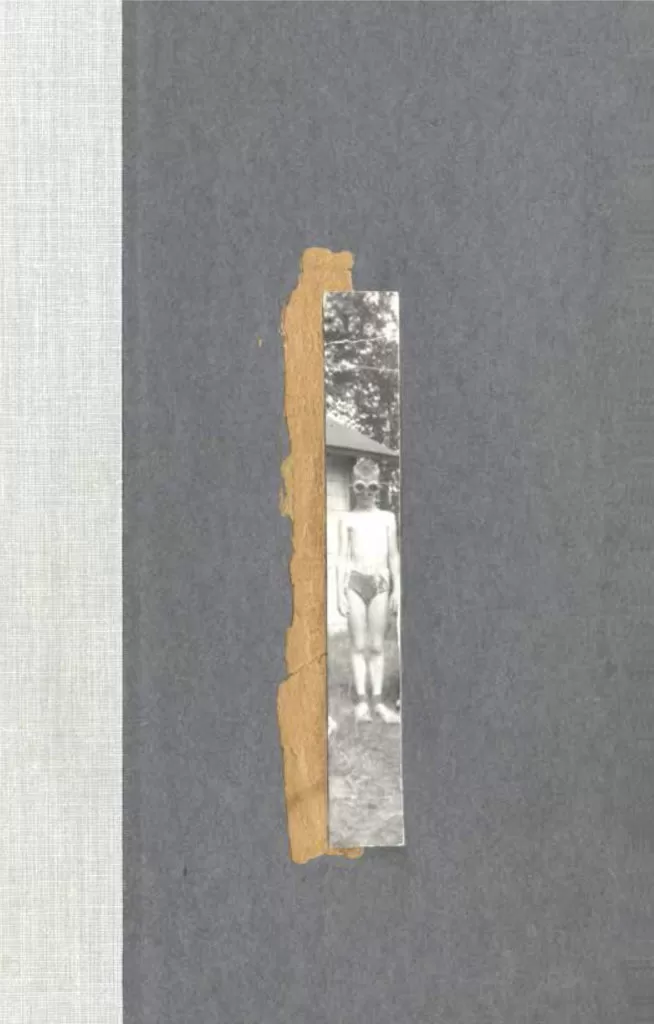 Image of the book cover for Anne Carson's Nox, a box-like object unfolded to reveal an accordion structure with text and images on it.
This being Anne Carson, said grappling comes at least partially through translation: she starts with a poem by Catullus, in Latin, an elegy written after the death of his own brother. Carson begins to translate the poem, keeping this scholarly work on the left hand side—dictionary entries for each word in the poem, Latin to English. This lexicography balances out her sparse narration, which appears on the right, a few poems and musings, along with a number of photographs, letters, things stuck in. But soon, Nabokov-like, the lexicography becomes a narration of its own, and the double strands begin to twist into a profound expression of grief as well as an interrogation thereof. It is this innovative form and deeply personal yet scholarly approach that places Nox among the most significant collections of the decade.
It’s highly original, and, if being fair, only halfway poetry. But there is simply no other category for a book that is as much art object as work of literature, or the enormous emotional weight shifted by just a few scattered words. It is considered one of the best books of any kind by many readers and critics from the last decade, leaving little doubt that it belongs on any list seeking the collection of best poems that push the boundaries of the form.
Terrance Hayes, Lighthead (2010)
Terrance Hayes’ poems are characterized by their complexity and dynamism. His writing moves quickly, with a constantly changing rhythm and a center in motion, resulting in poems that are buoyant, often playful, even as they cover ground from desire to race and violence. His prodigious ability to experiment with form and syntax are on full display in Lighthead, his fourth collection and the winner of the 2010 National Book Award for Poetry. The poem “Lighthead’s Guide to the Galaxy” points to this ability in a larger statement on what constitutes poetry in general: “Not what you see, but what you perceive: / That’s poetry. Not the noise, but its rhythm; an arrangement / of derangements; I’ll eat you to live: that’s poetry.”
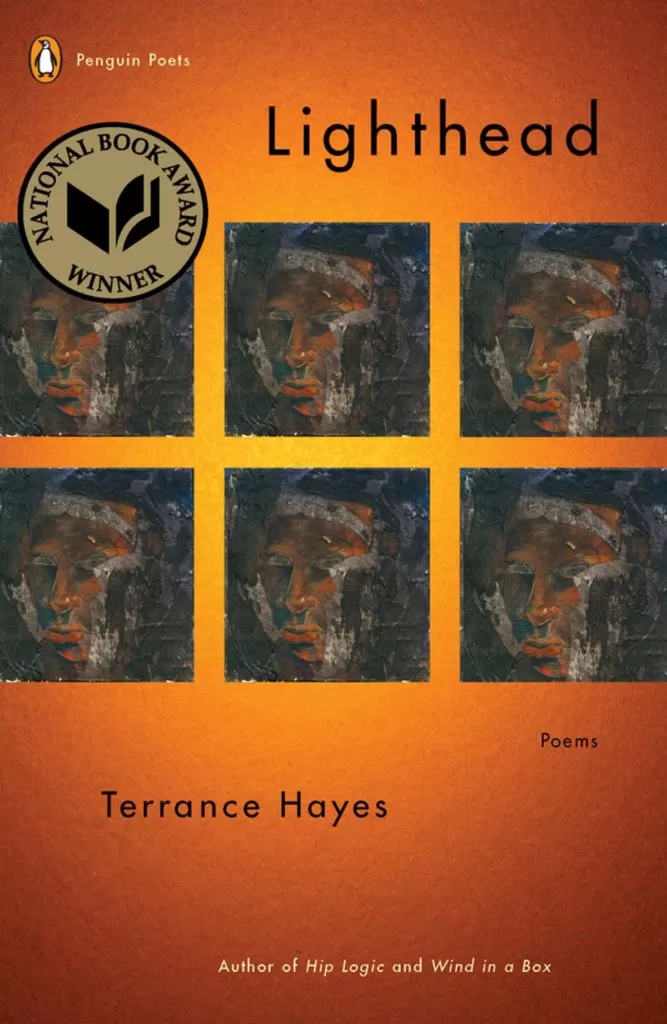 Image of the book cover for Terrance Hayes' Lighthead, featuring a black and white photograph of a person's head with light emanating from it against a dark background.
Hayes resists easy categorization or the role of a singular spokesperson, believing instead that “all words come from preexisting words / and divide until our pronouncements develop selves.” Lighthead is seen as an incredible collection of best poems that exemplify these pronouncements, forming a remarkable achievement in contemporary poetic innovation and thematic depth. Its exploration of identity, form, and perception solidified its place as a standout work of the decade.
Tracy K. Smith, Life on Mars (2011)
In Life On Mars, which won the Pulitzer Prize for Poetry in 2012, Tracy K. Smith exemplifies the expansive nature of poetry. She wanders past earthly boundaries and looks upward, weaving the history and popular conception of human exploration in space with the story of her father, who worked on the Hubble Space Telescope and whose death is the collection’s center of gravity. Moving between singular moments of personal grief and pop-culture narratives of the space race, from science fiction to David Bowie, Smith’s poems address the far reaches of human understanding. Beholding the Hubble’s first images, she writes, “We saw to the edge of all there is— / So brutal and alive it seemed to comprehend us back.”
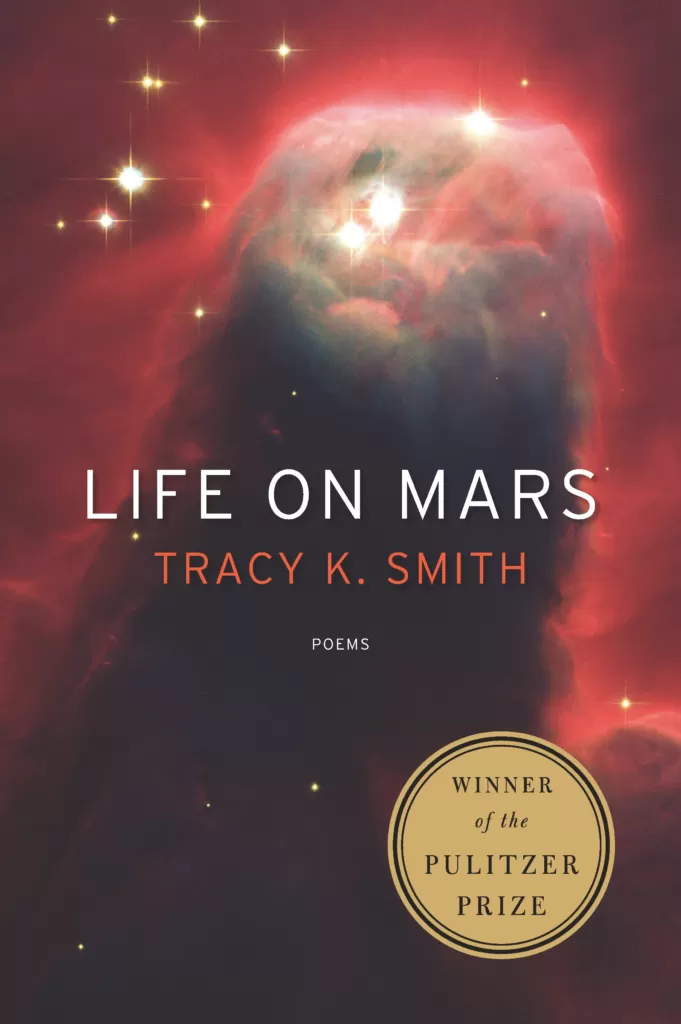 Image of the book cover for Tracy K. Smith's Life on Mars, featuring a stark image of a barren planet surface under a dark sky with swirling light.
But she does not stay permanently in the realm of the abstract—much of the collection lingers on the relationships that make up our lives on Earth, the expansiveness of grief, and its existence on a scale both personal and planetary. Smith’s poems address environmental disaster, hate crimes, and political controversies, all embedded in the larger story that America tells itself about its role in the universe. Life on Mars is celebrated for its ability to connect the cosmic and the personal, establishing it as a deeply searching and significant collection of best poems from the period.
Natalie Diaz, When My Brother Was an Aztec (2012)
Natalie Diaz, a Mojave American poet and language activist, possesses a rare ability to seamlessly blend the personal, the political, and the mythic. The result is a collection of best poems that are shimmering gems—both joyous and horrifying, tender and brutal, intimate and sweeping. In her debut collection, Diaz, an enrolled member of the Gila Indian Tribe, reflects with visceral imagery and sensuous language on her brother’s methadone addiction, her childhood experiences of reservation life, the continued oppression and fetishization of Native Americans in contemporary US society, and the nature of romantic, erotic, and familial love within indigenous communities.
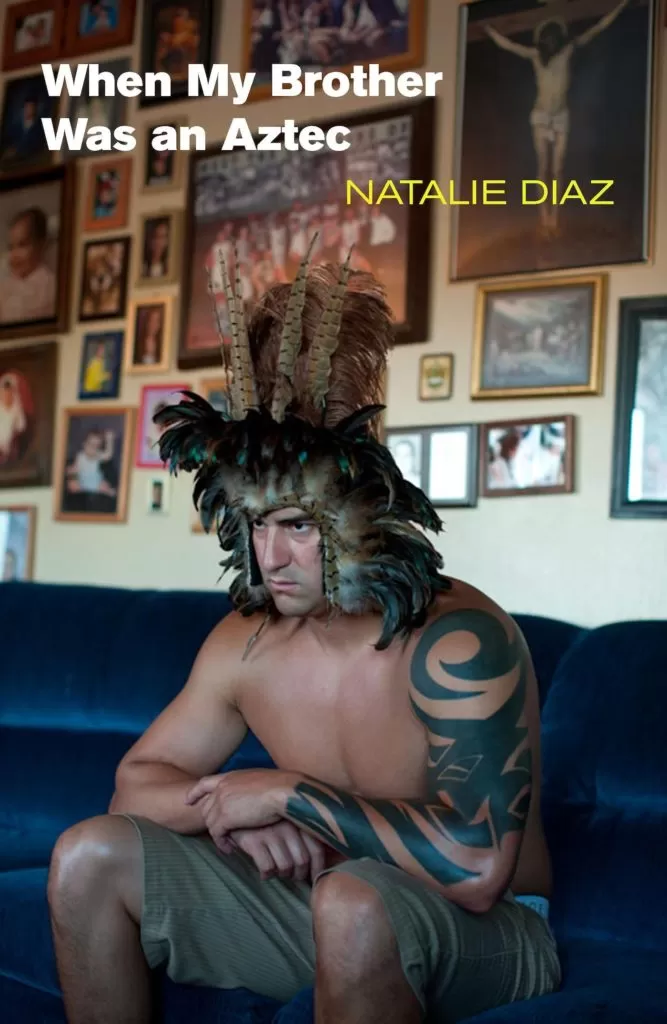 Image of the book cover for Natalie Diaz's When My Brother Was an Aztec, featuring a close-up of a person's face partially obscured by shadows and vibrant colors.
In the title poem, Diaz draws from Christian, Mojave and ancient Greek mythic traditions to conjure a version of her brother both awesome and terrifying, a godlike figure who destroys and remakes both himself and his family as his addictions overwhelm him. Her poems, like “Hand-Me-Down Halloween,” tackle the raw pain of prejudice and the explosion of rage it can provoke. This collection is widely regarded as a brilliant and deeply affecting debut, solidifying Diaz’s reputation as a powerful new voice and making her book an essential collection of best poems addressing indigenous life and identity.
Natasha Trethewey, Thrall (2012)
Natasha Trethewey’s Thrall is a collection deeply concerned with bonds and identity, particularly the complex relationship between the speaker, a mixed-race woman, and her white father. It explores connections between Enlightenment-era arbiters of knowledge—scientists, philosophers, artists—and their non-white (and often female) subjects, as well as the link between the mixed-race subjects of 17th and 18th-century paintings and Trethewey herself. The collection delves into the blurred history of conquest, both physical and mental.
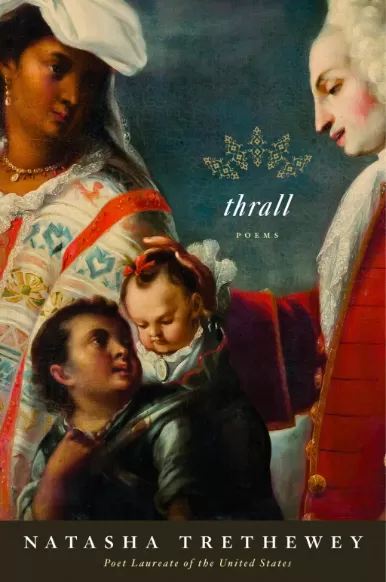 Image of the book cover for Natasha Trethewey's Thrall, showing a detail of a painting featuring a person of color.
Trethewey compellingly asks readers to view her ekphrastic poems (poems based on works of art) through the lens of her complicated—loving, melancholic, and at times blatantly troubling—relationship with her late father. This multifaceted exploration of race, history, art, and familial bonds makes Thrall one of the decade’s most technically and emotionally complex criticisms of the “black/white” racial binary and a significant addition to the field of art criticism within poetry. It stands as a powerful collection of best poems for its unflinching examination of historical and personal truths.
Mary Szybist, Incarnadine (2013)
Incarnadine is a book steeped in the divine, particularly centered around the Annunciation, which recurs in unexpected places like Kenneth Starr, Lolita, and butterflies. For readers of any spiritual background, the collection speaks to the universal human experience of longing, especially for and fearing the unknowable. These 42 poems are incantatory and innovative—employing forms like abecedarians, concrete poems shaped like the sun, diagrammed sentences, and collages.
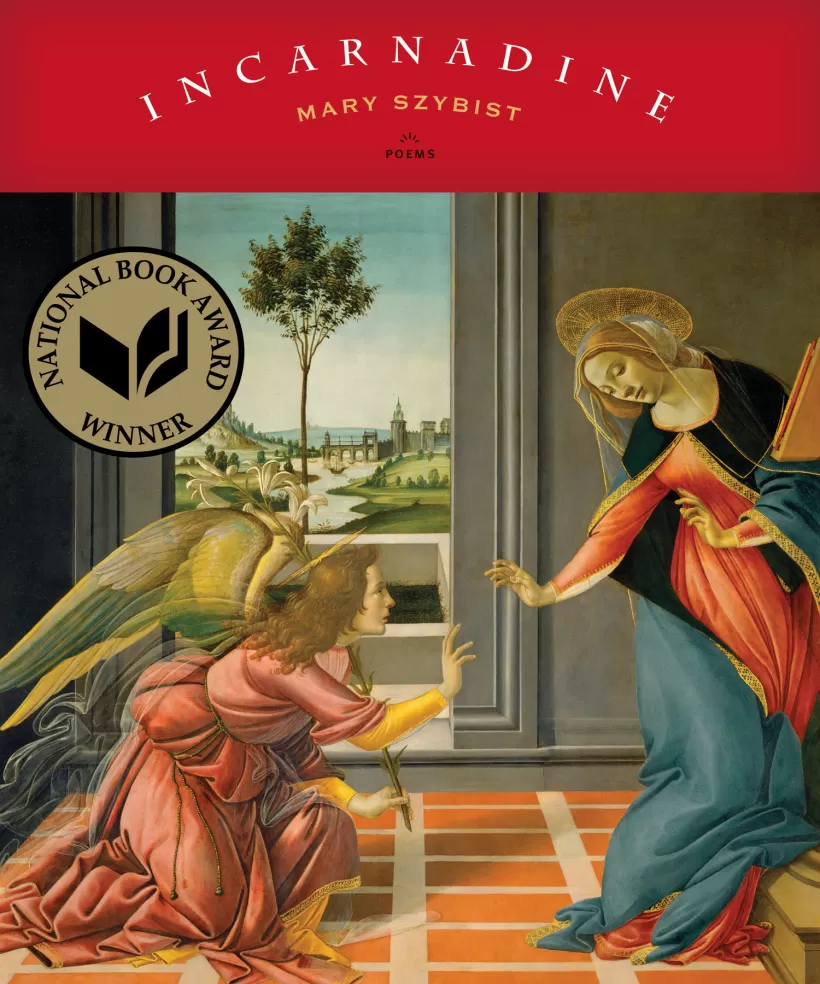 Image of the book cover for Mary Szybist's Incarnadine, featuring a dark, textured background with a single, bright red object or shape in the center.
When it won the 2013 National Book Award for Poetry, the judges praised its blending of traditional and experimental aesthetics to recast the myth of the Biblical Mary for the modern era. Through vulnerable lyrics, surprising forms, and a mix of sympathy and humor, Szybist probes the nuances of love, loss, and the struggle for religious faith in a world that often seems to contradict it. Incarnadine is celebrated as a religious book accessible to nonbelievers, and a book of necessary doubts for the faithful, making it a unique and moving collection of best poems from the decade.
Claudia Rankine, Citizen: An American Lyric (2014)
Claudia Rankine’s Citizen is widely recognized as a seminal book of the decade, transcending categories to become a crucial text. This special hybrid work is part poetry, part critical essay, making use of screenplay form, screengrabs, art, and iconic pop culture images. It won the 2014 National Book Critics Circle Award in Poetry and was a finalist for the same award in Criticism, highlighting its unique structure and impact.
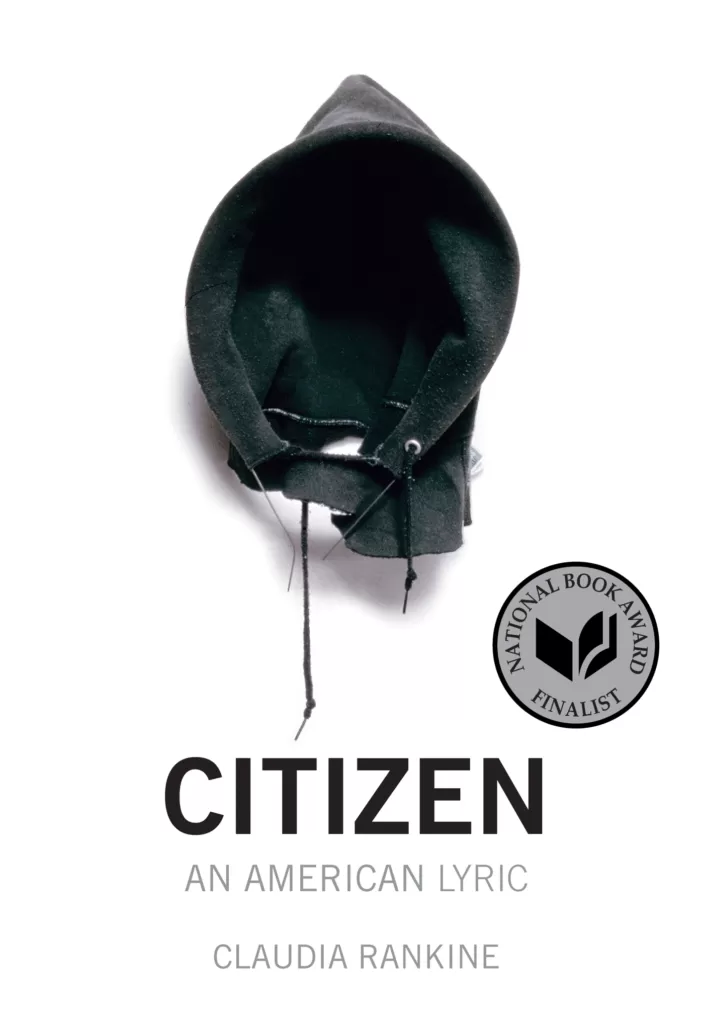 Image of the book cover for Claudia Rankine's Citizen: An American Lyric, featuring a blurry image of a dark figure on a bright white background.
Citizen offers a complex assessment of racism in contemporary America, operating on both micro and macro scales. It addresses Rankine’s own experiences alongside stories of prominent figures like Serena Williams and Zinedine Zidane, and events like stop-and-frisk, Hurricane Katrina, and police violence. The book is not only politically incisive but also artful, beautiful, sometimes funny, and capable of shifting between subtlety and sharpness as needed. It investigates memory, identity, narrative, self-doubt, and self-expression. Citizen profoundly moved many readers and is seen as a work that will endure, cementing its place as a powerful and essential collection of best poems for understanding modern American life.
Robin Coste Lewis, Voyage of the Sable Venus (2015)
Robin Coste Lewis’s Voyage of the Sable Venus is an astonishing debut collection that tackles history and power through a unique and ambitious project. It is a narrative poem comprised solely and entirely of the titles, catalogue entries, or exhibit descriptions of Western art objects in which a black female figure is present, dating from 38,000 BCE to the present. This constraint reveals a poetic document of revelatory force, uncovering a lyric archive of Black bodies—their pain, their beauty—etched in relief across centuries of someone else’s history.
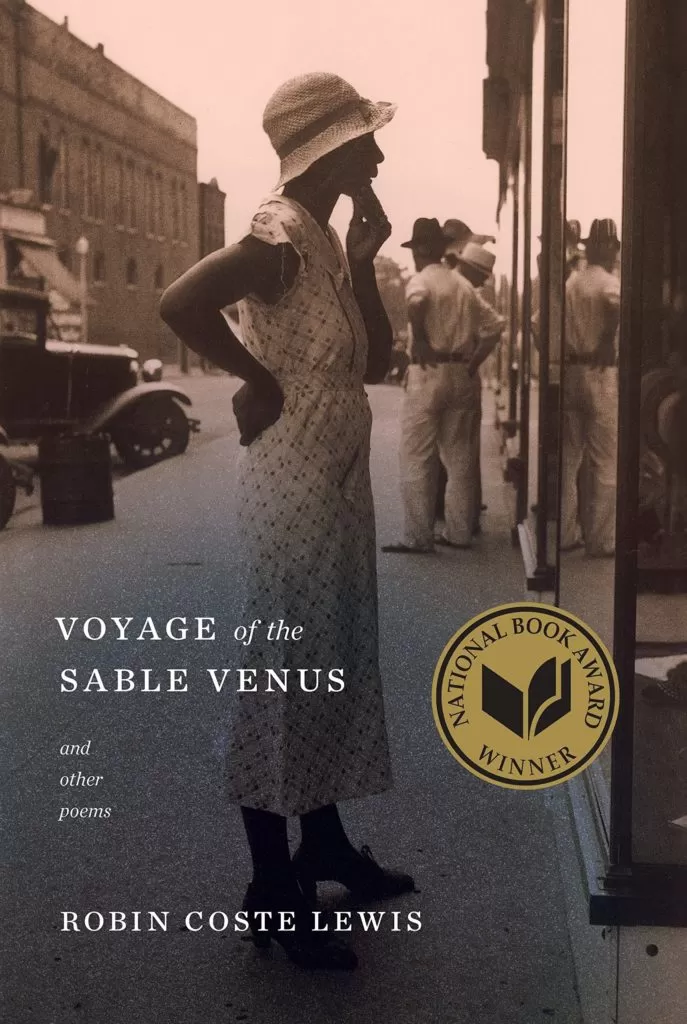 Image of the book cover for Robin Coste Lewis's Voyage of the Sable Venus, featuring a detail of a painting showing a classical figure alongside a black female figure.
This is not merely a catalogue of suffering; it is at once lament, testimony, and celebration. Coste Lewis performs an alchemy, transforming descriptions of the powerless by the powerful into intimacy. By subverting reduction into poetic expansion, she crafts a new and limitless history through this curated textual artwork. The collection deservedly won the National Book Award for Poetry and stands as a monument to the power of found text and historical reclamation, making it a uniquely significant collection of best poems of the decade.
Ocean Vuong, Night Sky with Exit Wounds (2016)
Ocean Vuong is recognized as a master of subtle yet sudden metamorphoses, where language is dense with both beauty and violence. Somehow, in his work, these seemingly disparate elements blend. In his debut collection, Night Sky with Exit Wounds, Vuong transforms images of terror and bloodshed into an almost fey splendor, often imbued with queer sensibilities. The collection manages to turn the fall of Saigon into a world of imagery as sharp, bloody, and brutal as it is, disquietingly, beautiful in its diction.
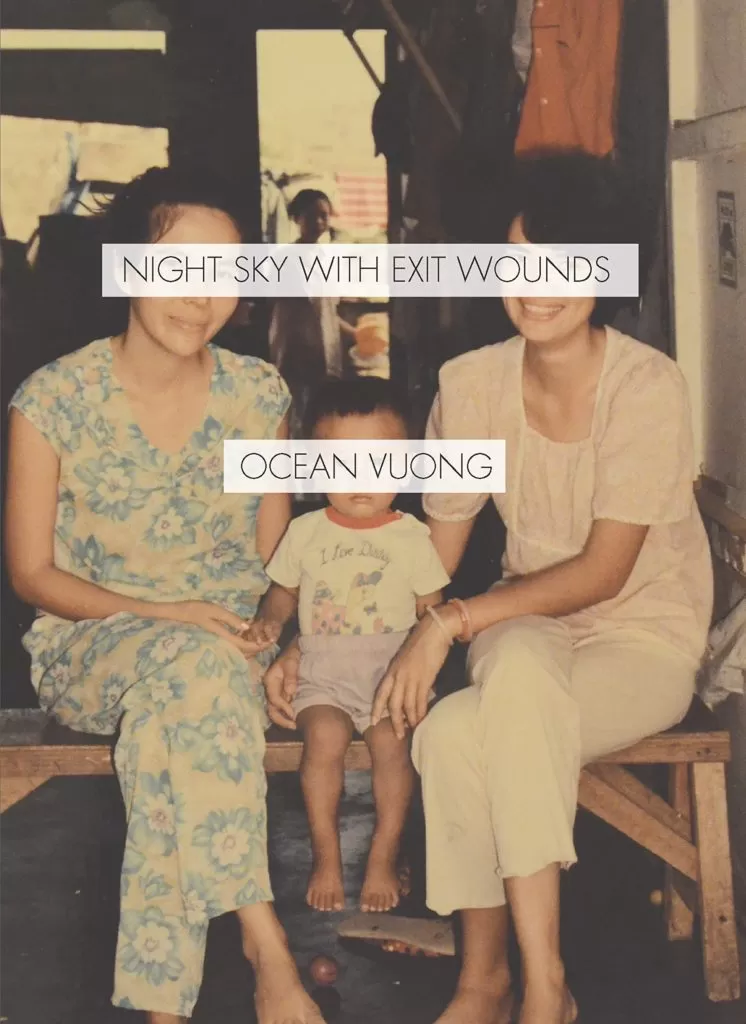 Image of the book cover for Ocean Vuong's Night Sky with Exit Wounds, showing a starry night sky with faint red lines suggesting wounds or fissures.
Beneath the bewitching language lies palpable pain: mangled limbs, facedown corpses, a city on fire juxtaposed with the unlikely lyrics of Irving Berlin’s “White Christmas”—which Vuong notes was an American military code for evacuation during the fall of Saigon. Poems like “Aubade with Burning City” are chilling and haunting, their quick evocations of imagery set against music creating something that sticks with the reader, reminding them of poetry’s power to disturb and resonate deeply. Vuong’s effortless ability to stun makes this a memorable and powerful collection of best poems.
Danez Smith, Don’t Call Us Dead (2017)
Danez Smith’s second collection, Don’t Call Us Dead, achieved the rare feat of being near-universally praised by poets while also capturing the attention of a wider readership. The collection crackles with joy, humor, and violence, all expressed with great beauty and undeniable urgency. Smith, with a background in slam poetry, infuses the poems with a propulsive energy reminiscent of spoken word, yet they also exult in the power of the page. Smith draws from disparate poetic traditions to forge something entirely new and compelling.
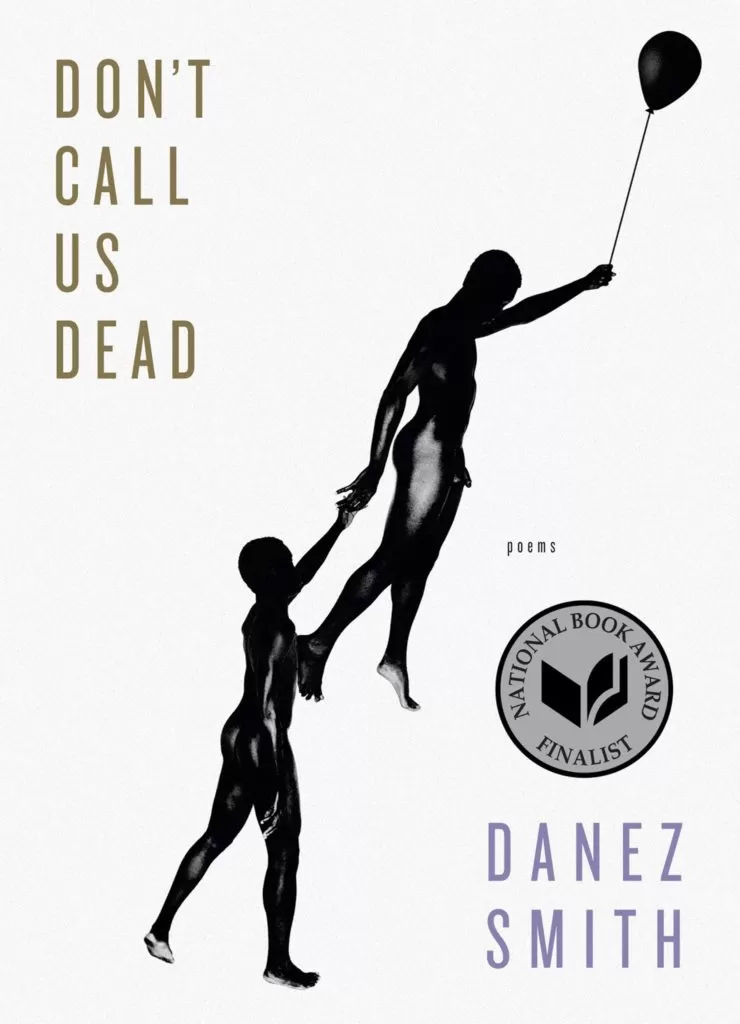 Image of the book cover for Danez Smith's Don't Call Us Dead, featuring a brightly colored, abstract design with vibrant hues.
These poems are deeply concerned with bodies—the bodies of young black boys killed by police, Smith’s own body in the wake of their H.I.V. diagnosis, queer bodies in lust. Critics noted how Smith’s poems demand understanding and empathy, articulating a longing for a safer world for their community. Don’t Call Us Dead is celebrated as a collection of best poems that is simultaneously universal and highly personal, feeling both acutely of our present time and timeless in its exploration of life, death, identity, and the insistent pulse of being.
Dissenting Opinions
Even among a group of dedicated literary professionals, reaching complete consensus on the “best” poetry collections is impossible. This section highlights collections that garnered strong support and were significant contributions to the decade, even if they didn’t make the final “Top Ten” list. They represent alternative perspectives on what constitutes a seminal collection of best poems from this period.
C.D Wright, One with Others (2010)
C.D Wright was a poet of immense talent and interdisciplinary invention. Her 2011 National Book Award finalist, One With Others, is a book-length poem that could also be described as a lyric documentary. Based on Margaret Kaelin McHugh, a small-town Arkansas woman who was a mentor to Wright, the book undertakes a kind of journalism of poetics. It conveys the full breadth of a historical moment during the tail-end of the Civil Rights era with the fragmentary detail of an inexhaustible documentarian, using transcribed speech, catalogues of objects, and idiosyncratic lists.
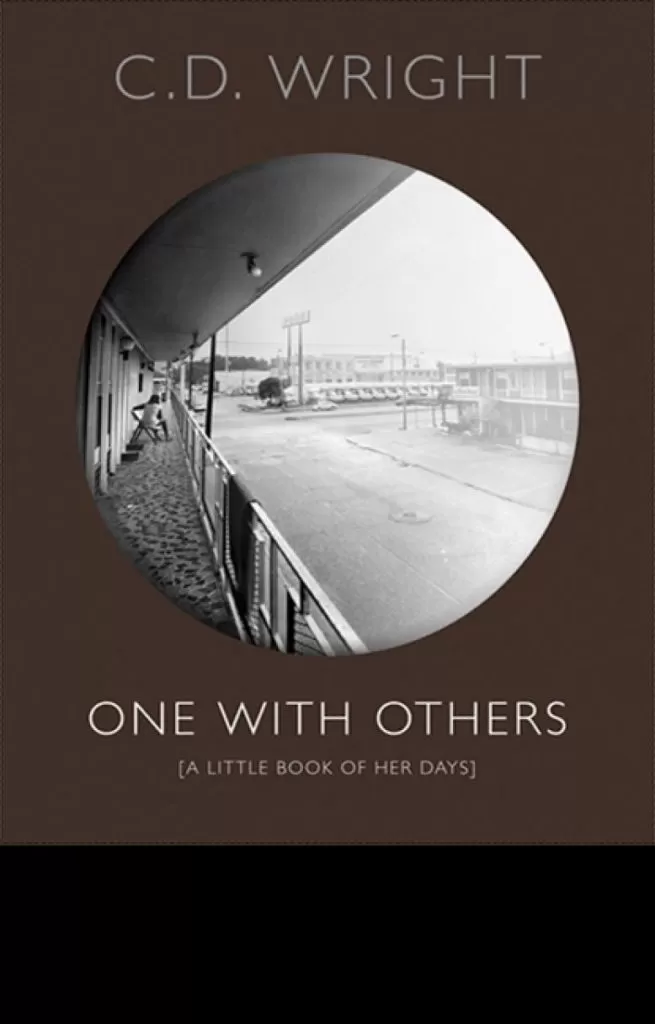 Image of the book cover for C.D. Wright's One with Others, showing a black and white photograph of people walking together, possibly in a march.
The project involves a white poet using a white character to capture a significant moment in Black history, a choice that prompts reflection. However, many argue that Wright successfully executed this complex endeavor. For its innovative form and powerful engagement with a critical historical period, One With Others is considered by many to be a vital and compelling collection of best poems, demonstrating Wright’s unique poetic vision and her role as both poet and witness.
Mark Leidner, Beauty Was the Case They Gave Me (2011)
Mark Leidner’s debut collection is celebrated for its humor and accessibility, often recommended to those new to poetry. Beauty Was the Case They Gave Me is genuinely funny, without reservation or caveat. It’s the kind of book that challenges the notion that poetry must be devoid of levity to be considered “serious.”
 Image of the book cover for Mark Leidner's Beauty Was the Case They Gave Me, featuring a stark graphic design with bold text against a simple background.
A standout poem, “Romantic Comedies,” consists entirely of premises for such films, offering witty observations on tropes (“She likes things one way and he likes them the other”). Beyond the humor, the collection also holds a deep belief in connection and love. As seen in poems like “The River,” Leidner articulates a love rooted in familiarity and presence rather than grandiosity. Beauty Was the Case They Gave Me stands out as a charming and insightful collection of best poems that proves poetry can be both profound and genuinely funny, offering a refreshing perspective on contemporary life and relationships.
Cathy Park Hong, Engine Empire (2012)
Cathy Park Hong’s Engine Empire, published in 2011, is a tricky and prescient book that speaks to future anxieties even while exploring historical and contemporary landscapes. It is a triptych, with sections set in the American West during the Civil War era, contemporary urban China, and a near-future California. Hong described the dreaming of the frontier as a desire for immortality, recognizing that building new worlds inevitably involves violence, as new territories always have previous inhabitants and histories.
 Image of the book cover for Cathy Park Hong's Engine Empire, showing a detail of a painting featuring fantastical or mechanical elements.
Engine Empire deals with detachment and the violence of “progress” across these three landscapes. Hong employs relentless formal experimentation, playing with vernacular, genre, and form—using ballads, half-sonnets, and creating her own rules—to create new myths while questioning the very idea of myth-making. Rather than obscuring meaning, the formal experimentation enhances the collection’s cinematic feel and thematic resonance. This imaginative and formally inventive work remains a powerful collection of best poems for its unique vision and eloquent rendering of the anxieties surrounding progress and territory.
Eduardo C. Corral, Slow Lightning (2012)
Eduardo C. Corral’s Slow Lightning is a deeply contemplative collection that explores the fluctuations of identity along multiple lines, focusing particularly on his experiences as a Chicano and gay man. Many poems are set in the American West, showing how the same landscape can feel both familiar and foreign, reflecting how labels and categories interact with an unfixed, changing self. As Carl Phillips notes in the foreword, Corral suggests that language, like sex, is fluid, dangerous, and thrilling—sometimes a cage, sometimes a window.
 Image of the book cover for Eduardo C. Corral's Slow Lightning, featuring a black and white image of a dramatic sky with lightning.
Corral conjures figures like cowboys and border patrol officers, while also confronting the realities of AIDS and being called “illegal” in America. He explores the code-switching necessary in practical life but focuses more on what it means to simultaneously exist and not exist in various ways. His narrators are often haunted by notions of desirability and undesirability, as well as by their heroes and relationships. Poems like “Border Triptych” offer harrowing perspectives on the experiences of others with shared realities. Slow Lightning is a powerful and moving collection of best poems for its honest, complex, and beautifully rendered exploration of intersecting identities and the landscapes they inhabit.
Patricia Lockwood, Motherland Fatherland Homelandsexuals (2014)
Patricia Lockwood’s Motherland Fatherland Homelandsexuals gained significant attention for its unique voice and unflinching engagement with contemporary culture and difficult subjects. Initially perceived through a somewhat reductive lens, the collection quickly demonstrated its depth and power.
 Image of the book cover for Patricia Lockwood's Motherland Fatherland Homelandsexuals, showing a stylized graphic design with abstract shapes and text.
The collection’s signature poem, “Rape Joke,” was particularly impactful, offering a sarcastic, visceral, and poetic discourse on its title subject that resonated widely. The book is celebrated for its ability to blend humor, internet culture, and profound observations with raw honesty. Lockwood navigates themes of the body, politics, and the absurdities of modern life with striking originality. Motherland Fatherland Homelandsexuals is a memorable and provocative collection of best poems from the decade, marking Lockwood as a distinctive and important voice in contemporary poetry.
Ross Gay, Catalog of Unabashed Gratitude (2015)
Ross Gay’s Catalog of Unabashed Gratitude offers a powerful and timely perspective on the role of gratitude in navigating life’s complexities. Gay’s attention to the world around him transforms ordinary moments into instances of unexpected softness and deep insight. The collection’s title poem, and indeed the entire book, champions gratitude and joy not as naive byproducts, but as radical, life-sustaining choices.
 Image of the book cover for Ross Gay's Catalog of Unabashed Gratitude, featuring a close-up photograph of brightly colored flowers.
Gay’s gratitude encompasses both moments of exaltation, like the “tiny bee’s shadow,” and instances of profound brutality and loss. This comprehensive approach recognizes that joy and grief often coexist. The collection resonates particularly strongly with readers from marginalized communities who understand that cultivating joy can be an act of survival in hostile territory. Catalog of Unabashed Gratitude is seen as a road map for finding light and connection, making it a vital and moving collection of best poems for its emotional generosity and profound affirmation of life.
Ada Limón, Bright Dead Things (2015)
The voice in Ada Limón’s Bright Dead Things is characterized by its confidence tempered with uncertainty. The poems explore movement and place, such as the speaker’s transition from New York to Kentucky, and grapple with the ambiguities of life and death, as seen in the contemplation of a car-struck possum.
 Image of the book cover for Ada Limón's Bright Dead Things, featuring a photograph of a small bird lying on the ground among dirt and leaves.
The collection opens with “How to Triumph Like a Girl,” a poem that sets a tone of motion and unapologetic feeling, eschewing irony for genuine emotional engagement. Limón draws parallels between herself and “lady horses,” finding a shared elemental strength (“somewhere inside the delicate / skin of my body, there pumps / an 8-pound female horse heart”). Bright Dead Things is a book that speaks openly about the heart, naming emotions directly. It is a collection of best poems celebrated for its deliberate movement, unapologetic wandering, and deeply felt reflections, inviting readers to join the journey and connect with the world and themselves on a profound level.
Donika Kelly, Bestiary (2016)
In her powerful debut collection, Bestiary, Donika Kelly asks, “What menagerie / are we. What we’ve made of ourselves.” The title nods to the medieval volumes illustrating animals with fable-like stories. Kelly populates her pages with mythological beasts—mermaids, griffons, werewolves, satyrs, medusa—and human monsters, remaking them to explore the idea that human beings are made up of equal parts love and cruelty. Her imagery, storytelling, and reshaping of myth bring to mind the work of feminist fairy tale masters.
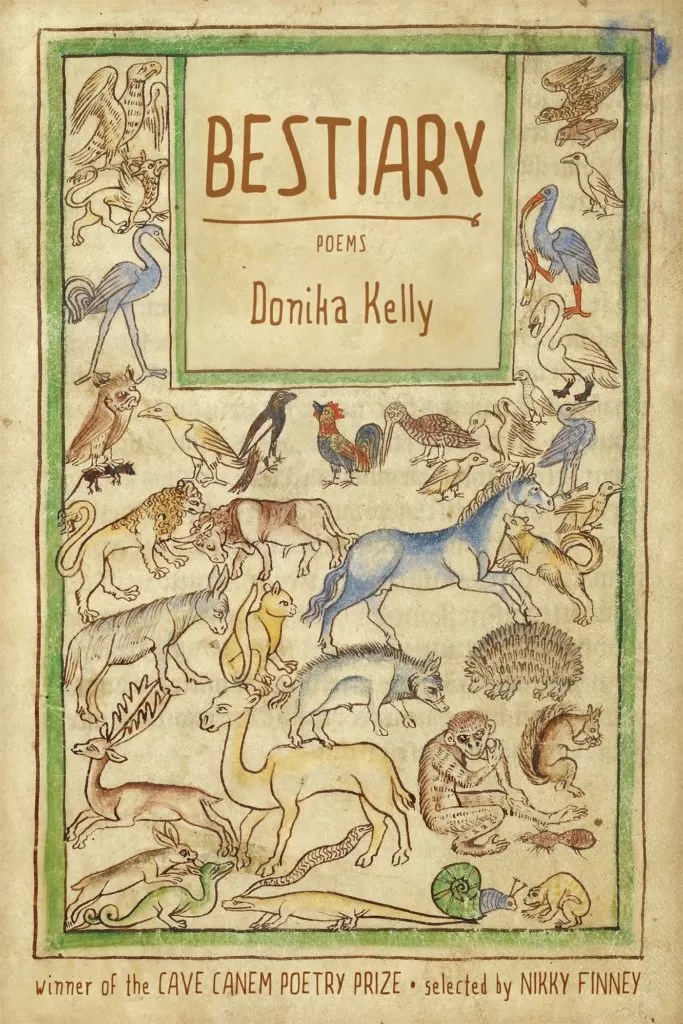 Image of the book cover for Donika Kelly's Bestiary, depicting abstract shapes and textures suggesting mythical creatures or transformations in warm colors.
While the collection echoes aspects of Kelly’s own history, its reliance on archetypal monsters lends it a universal resonance. As noted by Nikky Finney, Bestiary teaches that nothing is entirely black, female, male, human, or tidy. Kelly’s poems are not always expansive at the end; instead, she often leaves the reader on the edge, holding their heart, delivering perfectly sharpened blades after a slow, rhythmic build. This approach positions the reader in a place of stillness, enabling grappling with pain, memory, and trauma. Bestiary is a compelling collection of best poems for its stunning imagery, fearless exploration of difficult themes, and its ability to puncture and shake the reader into a deeper understanding.
Dawn Lundy Martin, Good Stock Strange Blood (2017)
Published in 2017, three years after the impactful Citizen, Dawn Lundy Martin’s Good Stock Strange Blood arrived as a powerful and mature collection deeply engaged with the realities of Black bodies in America. Martin asks fundamental questions, such as “Why doesn’t one just die?”, and answers that survival comes from the ability to imagine something radically different from oppressive realities. “No death,” she asserts, “But, instead the door.”
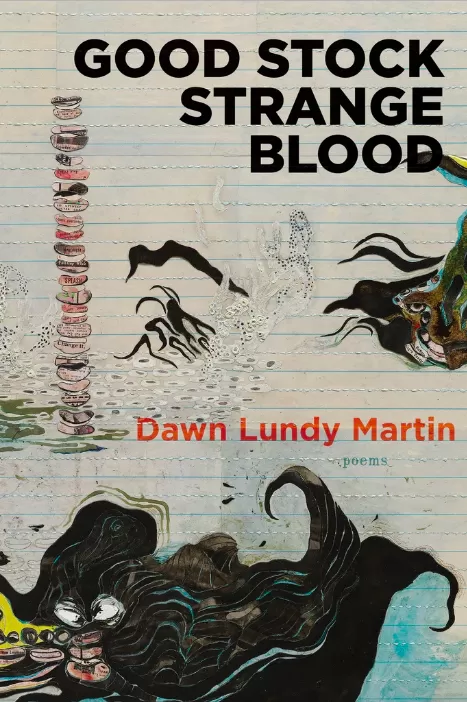 Image of the book cover for Dawn Lundy Martin's Good Stock Strange Blood, featuring a dark, abstract image with hints of red and organic shapes.
This door opens onto a diverse collection of poems centered on how Black bodies are built, conceptualized, cared for, atomized, and ruined. Martin reveals a sense of being stunned that life persists in the wake of violent Black death, exploring how these bodies possess physical heft even as they are often rendered invisible or vulnerable to harm. Despite the significant white space on the page, Martin’s lyrics are textually dense and challenging, requiring the reader to actively engage. Good Stock Strange Blood is a vital and unyielding collection of best poems for its unflinching gaze upon racial violence and its exploration of resilience and imagination as means of survival.
Carl Phillips, Wild is the Wind (2018)
Carl Phillips is a poet whose work often elicits a deeply personal and transformative response in readers. Wild is the Wind is a collection that many find indispensable, offering moments of clarity and a profound sense of compassion. Phillips’ careful, meditative sentences give the impression of a speaker who grants themselves the space to articulate ambiguity without needing to resolve it, and who can recognize beauty without clinging to it.
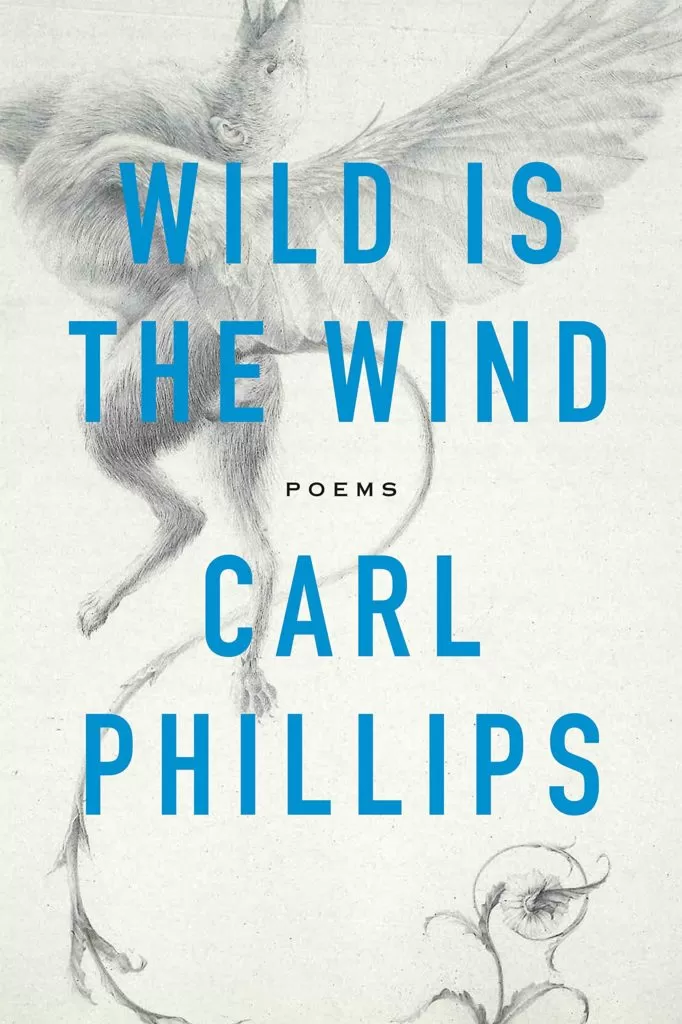 Image of the book cover for Carl Phillips' Wild is the Wind, featuring an abstract or blurry image with muted colors suggesting movement or nature.
In this collection, questions about attachment and commitment unfold deliberately. Phillips contemplates the nature of regret, suggesting it may simply be about missing things one wouldn’t want back, and that being wrong doesn’t necessarily mean wasting time because “What hasn’t been useful?” He consistently returns to the theme of impermanence in the natural world—light, water, seasons—paying careful attention to the subtle shifts that mark the passage of time, the formation of desire, and the crystallization of connection. Wild is the Wind is a generously rendered collection of best poems that invites readers into a meditative space to contemplate love, loss, and the ever-changing world.
Franny Choi, Soft Science (2019)
Franny Choi’s Soft Science is a compelling and inventive collection that immediately captivates. It begins with a glossary of terms, offering definitions like “a ghost is defined as ‘the outline of silence,'” which sets a unique tone and framework. A key structural element is the recurring Turing Test, a test to determine consciousness, which begins each section, creating an intriguing framework for the poems that follow.
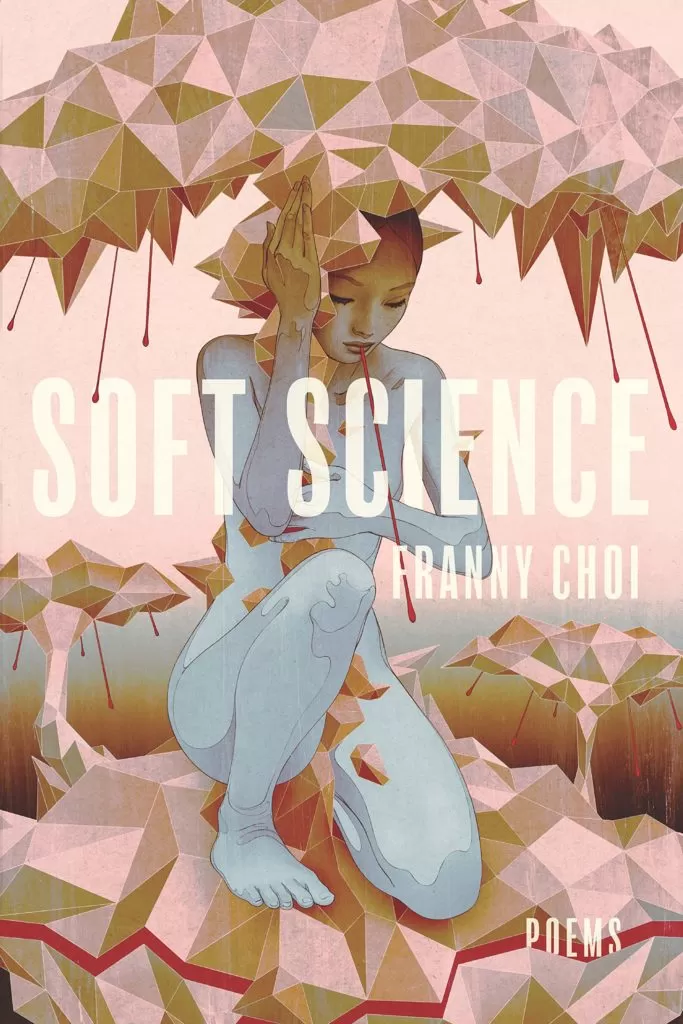 Image of the book cover for Franny Choi's Soft Science, showing a stylized illustration of a person's head with circuitry or geometric patterns inside.
Throughout the collection, the speaker fluidly shifts between being a cyborg and a flesh-and-blood human. This deliberate confusion brilliantly conflates the experience of being a machine and being a woman (specifically a woman of color), highlighting societal expectations, the language imposed upon individuals, and the demands for obedience. While exploring bleak themes, there is also significant playfulness, as seen in poems like “The Cyborg Wants To Make Sure She Heard You Right,” which incorporates Google Translate back-translations of tweets, and titles like “I Swiped Right on the Borg.” Soft Science is a fascinating collection of best poems that uses technology and speculative themes to explore complex questions of identity, language, bodies, and the nature of consciousness in the modern world.
Honorable Mentions
The process of selecting a finite list inevitably means many deserving works will not make the final cut. The following list comprises additional poetry collections published between 2010 and 2019 that were seriously considered and represent significant contributions to the poetry of the decade. They are highly recommended for readers seeking a diverse and extensive collection of best poems from this period.
- Kay Ryan, The Best of It (2010)
- Christian Winman, Every Riven Thing (2010)
- Laura Kasischke, Space, In Chains (2011)
- Nikky Finney, Head Off & Split (2011)
- Quan Barry, Water Puppets (2011)
- Jenny Boully, Not Merely Because of the Unknown that was Stalking Toward Them (2011)
- Sharon Olds, Stag’s Leap (2012)
- D. A. Powell, Useless Landscape, or A Guide for Boys (2012)
- David Ferry, Bewilderment (2012)
- Patrizia Cavalli, tr. Gini Alhadeff, My Poems Won’t Change the World (2013)
- Rebecca Hazelton, Vow (2013)
- Matt Rasmussen, Black Aperture (2013)
- Corey Van Landingham, Antidote (2013)
- Frank Bidart, Metaphysical Dog (2013)
- Vijay Seshadri, 3 Sections (2013)
- Athena Farrokhzad, tr. Jennifer Hayashida, White Blight (2013)
- Gregory Pardlo, Digest (2014)
- Saeed Jones, Prelude to Bruise (2014)
- Ed Hirsch, Gabriel (2014)
- Louise Glück, Faithful and Virtuous Night (2014)
- Terrance Hayes, How to Be Drawn (2015)
- Elizabeth Hewer, Wishing for Birds (2015)
- Brittany Cavallaro, Girl-King (2015)
- Richard Siken, War of the Foxes (2015)
- Peter Balakian, Ozone Journal (2015)
- Eileen Myles, I Must Be Living Twice (2016)
- Ishion Hutchinson, House of Lords and Commons (2016)
- Solmaz Sharif, Look (2016)
- Tyehimba Jess, Olio (2016)
- Daniel Borzutzky, The Performance of Becoming Human (2016)
- Eve L. Ewing, Electric Arches (2017)
- Layli Long Soldier, Whereas (2017)
- Maggie Smith, Good Bones (2017)
- Kaveh Akbar, Calling a Wolf a Wolf (2017)
- Frank Bidart, Half-light (2017)
- Lawrence Joseph, So Where Are We? (2017)
- Terrance Hayes, American Sonnets for My Past and Future Assassin (2018)
- Ada Limón, The Carrying (2018)
- Diana Nguyen, Ghost Of (2018)
- Analicia Sotelo, Virgin (2018)
- Justin Phillip Reed, Indecency (2018)
- Mary Karr, Tropic of Squalor (2018)
- Ilya Kaminsky, The Deaf Republic (2019)
- Jericho Brown, The Tradition (2019)
- Brittany Cavallaro, Unhistorical (2019)
- Morgan Parker, Magical Negro (2019)
- Rebecca Hazelton, Gloss (2019)
Conclusion
Exploring a collection of best poems is an immensely rewarding endeavor. The collections highlighted from the 2010-2019 decade showcase the incredible range, innovation, and emotional power present in contemporary poetry. From the boundary-pushing form of Anne Carson’s Nox to the urgent social commentary of Claudia Rankine’s Citizen, the mythic personal landscapes of Natalie Diaz and Ocean Vuong, the formal playfulness of Terrance Hayes and Mary Szybist, the historical excavation by Robin Coste Lewis and Natasha Trethewey, the joyful gratitude of Ross Gay, the searching voice of Tracy K. Smith and Ada Limón, the powerful beastaries of Donika Kelly, the meditative reflections of Carl Phillips, and the technologically infused identity explorations of Franny Choi, these books offer a rich and diverse tapestry of human experience.
These collections, whether appearing on the main list or the honorable mentions, represent significant artistic achievements. They challenge conventions, grapple with complex themes, and offer moments of profound beauty and insight. For anyone seeking to deepen their appreciation for poetry or discover new voices, exploring these curated selections is an excellent starting point. They demonstrate the enduring power of poetry to capture the essence of an era and resonate with readers on a deeply personal level. We encourage you to pick up one or more of these titles and allow the words within to bloom in your own imagination. What were your favorite poetry collections from this decade? Share your thoughts and continue the conversation about the collection of best poems that moved you.
References
This article is based on a selection of the best poetry collections published between 2010 and 2019, as debated and voted upon by the staff of Literary Hub. The analysis and commentary for each collection are derived from their published reviews and descriptions of these works. This curated list represents their expert opinion on the significant poetic achievements of that specific decade.