
Poetry, often described as language distilled, holds a unique place in human culture. Certain poems rise above the rest, etching themselves into the collective consciousness and becoming truly iconic. These famous poems serve as touchstones, revisited and reinterpreted across generations, influencing language, thought, and art. They are the works that spark recognition even among those who don’t consider themselves poetry enthusiasts, often quoted, referenced, or parodied in literature, film, and everyday conversation. Exploring these celebrated pieces offers a rich journey through literary history and the enduring power of words. This article delves into some of the most widely recognized and culturally significant poems written in English, exploring what makes them resonate so deeply and why they continue to hold sway. While acknowledging the vastness of the poetic landscape and the inherent subjectivity of “fame,” this selection aims to highlight works that have achieved remarkable ubiquity and critical acclaim.
Contents
- Pillars of the Canon: Widely Recognized Famous Poems
- William Carlos Williams, “The Red Wheelbarrow”
- T. S. Eliot, “The Waste Land”
- Robert Frost, “The Road Not Taken”
- Gwendolyn Brooks, “We Real Cool”
- Elizabeth Bishop, “One Art”
- Emily Dickinson, “Because I could not stop for Death –”
- Langston Hughes, “Harlem” (also known as “Dream Deferred”)
- Sylvia Plath, “Daddy”
- Robert Hayden, “Middle Passage”
- Wallace Stevens, “Thirteen Ways of Looking at a Blackbird”
- Allen Ginsberg, “Howl”
- Maya Angelou, “Still I Rise”
- Dylan Thomas, “Do Not Go Gentle into That Good Night”
- Samuel Taylor Coleridge, “Kubla Khan”
- Percy Bysshe Shelley, “Ozymandias”
- Edgar Allan Poe, “The Raven”
- Louise Glück, “Mock Orange”
- Paul Laurence Dunbar, “We Wear the Mask”
- e.e. cummings, “i carry your heart with me(i carry it in)”
- Marianne Moore, “Poetry”
- Rudyard Kipling, “If—”
- Gertrude Stein, “Sacred Emily”
- William Blake, “The Tyger”
- Robert Burns, “To a Mouse”
- Walt Whitman, “Song of Myself”
- Philip Larkin, “This Be The Verse”
- William Shakespeare, “Sonnet 18” (“Shall I compare thee to a summer’s day?”)
- Audre Lorde, “Power”
- Frank O’Hara, “Meditations in an Emergency”
- John McCrae, “In Flanders Fields”
- Lewis Carroll, “Jabberwocky”
- W. B. Yeats, “The Second Coming”
- Expanding the Canon: More Recently Iconic Poems
- Adrienne Rich, “Diving into the Wreck”
- Patricia Lockwood, “Rape Joke”
- Lucille Clifton, “Homage to My Hips”
- Lucie Brock-Broido, “Am Moor”
- Sappho, “The Anactoria Poem” (Fragment 16)
- Kevin Young, “Errata”
- Mark Leidner, “Romantic Comedies”
- Carolyn Forché, “The Colonel”
- Rita Dove, “After Reading Mickey in the Night Kitchen for the Third Time Before Bed”
- Nikki Giovanni, “Ego Tripping (there may be a reason why)”
- Terrance Hayes, “The Golden Shovel”
- The Enduring Power of Famous Poems
Pillars of the Canon: Widely Recognized Famous Poems
Certain poems achieve a level of fame that transcends literary circles, becoming ingrained in popular culture. These works are often featured in anthologies, taught in schools, and referenced frequently.
William Carlos Williams, “The Red Wheelbarrow”
Perhaps one of the most anthologized poems of the last century, “The Red Wheelbarrow” is a deceptively simple image:
so much depends
upona red wheelbarrow
glazed with rain water
beside the white chickens.
Its power lies in its stark simplicity and focus on ordinary objects. Williams, a key figure in the Imagist movement, believed poetry should derive from concrete images and everyday language. This poem exemplifies that philosophy, inviting readers to contemplate the essential nature of things and how seemingly mundane objects hold profound significance. Its brevity and vivid imagery make it instantly memorable and a prime example of early 20th-century American modernism.
T. S. Eliot, “The Waste Land”
A monumental work of 20th-century literature, “The Waste Land” is a complex, fragmented exploration of post-World War I disillusionment, cultural decay, and spiritual barrenness. While challenging, its opening lines (“April is the cruellest month…”) and fragmented structure have made it an iconic representation of modern anxiety. It weaves together diverse voices, literary allusions, and cultural references, capturing the fractured psyche of an era. Its enduring influence on subsequent poetry and literature solidifies its place as a famous and crucial work.
Robert Frost, “The Road Not Taken”
Arguably one of the most quoted, and often misread, poems in the English language, “The Road Not Taken” explores themes of choice, consequence, and individual path. Frost’s seemingly straightforward narrative of encountering a fork in a wooded road resonates deeply with readers contemplating life decisions. However, careful analysis reveals layers of irony, suggesting that the speaker’s choice was perhaps not as unique or impactful as later recollection makes it seem. This complexity beneath a simple surface contributes to its widespread fame and ongoing discussion. It stands alongside other famous Robert Burns poems as a widely recognizable piece of classic literature, though from a different tradition.
Gwendolyn Brooks, “We Real Cool”
This powerful, concise poem offers a stark portrait of young pool players. Its distinctive rhythm and fragmented structure, particularly the placement of the word “We” at the end of lines, create a deliberate, syncopated effect that mirrors the subjects’ defiance and perhaps their inevitable fate. Brooks’ masterful use of form and voice makes this poem instantly impactful and a famous example of capturing a specific cultural moment and social commentary within a brief space.

Elizabeth Bishop, “One Art”
A villanelle mastering the form’s constraints to explore the theme of loss, “One Art” is celebrated for its understated control and emotional depth. The speaker catalogs various losses, from misplaced keys to beloved people, with increasing intensity, culminating in the famous, heartbreaking final lines. Bishop’s precise language and the poem’s structure beautifully convey the difficulty of mastering the “art of losing,” making it a widely admired and famous poem about gratitude in reverse – a meditation on what is gone.
 emily dickinson complete poems
Emily Dickinson, “Because I could not stop for Death –”
Emily Dickinson’s unique voice and perspective are instantly recognizable, and this poem, personifying Death as a polite suitor taking the speaker on a carriage ride towards eternity, is one of her most famous explorations of mortality. The quiet journey past scenes of life and childhood innocence towards a chilling, timeless conclusion makes it a deeply resonant and widely studied work. While Dickinson has many iconic poems, this one’s narrative structure and thematic weight solidify its place as a famous poem representing her distinctive genius.
 The Collected Poems of Langston Hughes
Langston Hughes, “Harlem” (also known as “Dream Deferred”)
A central work of the Harlem Renaissance, this poem poses a series of questions about what happens to a dream that is postponed or denied. Using vivid, visceral imagery (“Does it dry up / like a raisin in the sun?”, “Or fester like a sore—”), Hughes captures the frustration, anger, and potential explosiveness of deferred hopes. Its powerful message and memorable questions have made it a defining and famous poem about the African American experience and a work of enduring relevance.

Sylvia Plath, “Daddy”
Intense, confessional, and controversial, “Daddy” is one of Sylvia Plath’s most famous and searing poems. Using striking and sometimes shocking metaphors, the speaker confronts the complex and painful legacy of her father. The poem’s raw emotion, powerful imagery, and unique voice have made it a touchstone of confessional poetry and a widely debated, undeniably famous work.

Robert Hayden, “Middle Passage”
As the first African American Poet Laureate, Robert Hayden produced powerful work, and “Middle Passage” stands out as his most famous long poem. It is a harrowing and complex depiction of the transatlantic slave trade, woven from historical documents, voices, and vivid imagery. While demanding, its unflinching portrayal of suffering and resilience makes it a crucial and famous poem in American literature. His poem “Those Winter Sundays” is also widely recognized for its tender portrayal of a father’s quiet love.
Wallace Stevens, “Thirteen Ways of Looking at a Blackbird”
This poem presents a series of thirteen distinct, brief vignettes, each offering a different perspective on a blackbird or its environment. It’s an exercise in perception and the interplay between observer and observed. Stevens’ precise, almost philosophical language and the poem’s unique structure have inspired countless imitations and analyses, solidifying its place as a famous and influential work on perception and reality.
 howl
howlAllen Ginsberg, “Howl”
A defining work of the Beat Generation, “Howl” exploded onto the literary scene with its Whitmanesque long lines, raw energy, and outspoken critique of American society. Beginning with the famous line “I saw the best minds of my generation destroyed by madness,” the poem is a passionate lament for the countercultural figures of the time and a defiant howl against conformity. Its obscenity trial and subsequent acquittal only added to its fame and cultural significance.
 Maya Angelou, Still I Rise
Maya Angelou, “Still I Rise”
A powerful anthem of resilience and strength in the face of oppression, “Still I Rise” is arguably Maya Angelou’s most famous poem. Its confident voice, rhetorical questions, and defiant spirit resonate deeply with readers worldwide. Angelou’s performance of the poem further enhances its impact, making it a rallying cry for self-respect and perseverance. Its widespread use in various contexts underscores its status as a truly iconic and famous poem.
 Dylan Thomas, “Do Not Go Gentle into That Good Night” copy
Dylan Thomas, “Do Not Go Gentle into That Good Night”
This villanelle is a passionate exhortation to resist death. Addressed to his dying father, Thomas urges him and others to rage against the dying of the light. The poem’s intense emotion, striking imagery (“burn and rave at close of day”), and insistent rhythm make it incredibly powerful and one of the most famous poems associated with confronting mortality. Its frequent appearance in popular culture, from films to speeches, highlights its cultural penetration.

Samuel Taylor Coleridge, “Kubla Khan”
Famous partly for the legend of its composition (supposedly written after an opium-induced dream and interrupted before completion), “Kubla Khan” is a vivid, exotic fragment evoking an opulent pleasure dome and a vision of poetic creation. Its lush imagery and musical language create a mesmerizing effect, solidifying its place as a famous work of English Romanticism, despite its unfinished state.
Percy Bysshe Shelley, “Ozymandias”
A sonnet reflecting on the ephemeral nature of power and human endeavors, “Ozymandias” presents the ruined statue of a boastful pharaoh in a desolate desert. The inscription on the pedestal (“Look on my Works, ye Mighty, and despair!”) contrasts sharply with the surrounding decay, offering a potent message about the vanity of tyranny and the inevitable victory of time. Its powerful theme and concise form make it a widely studied and famous poem.
Edgar Allan Poe, “The Raven”
Known for its haunting atmosphere, musicality, and exploration of grief and the supernatural, “The Raven” is one of Edgar Allan Poe’s most iconic works. The speaker’s descent into madness as he is visited by a mysterious talking raven is a masterclass in psychological horror and gothic atmosphere. The repetitive refrain “Nevermore” is instantly recognizable, cementing its status as a famous and enduring piece of American poetry.
Louise Glück, “Mock Orange”
A more contemporary entry, Louise Glück’s “Mock Orange” is a searing, unflinching poem about the complexities and disappointments of sexual experience and desire. Its directness and intense focus on internal struggle have made it a significant and famous poem, particularly influential among subsequent generations of poets exploring similar themes.

Paul Laurence Dunbar, “We Wear the Mask”
This powerful poem addresses the experience of racial oppression and the need to hide pain and true feelings behind a facade for survival. Dunbar’s use of the mask metaphor is deeply resonant, expressing the physical and psychological toll of living in a prejudiced society. It is his most famous poem and a vital piece of American literary history, articulating a truth about identity and resilience that remains relevant.

e.e. cummings, “i carry your heart with me(i carry it in)”
Known for his distinctive use of lowercase letters and unconventional punctuation, e.e. cummings created some of the 20th century’s most memorable love poems. This one, with its simple yet profound declaration of carrying the beloved’s heart within his own, has become incredibly popular, particularly for weddings and romantic occasions. Its heartfelt sentiment transcends its formal quirks, making it a famous expression of enduring love.
Marianne Moore, “Poetry”
Famous partly for its famously contradictory opening line, “I, too, dislike it,” Moore’s “Poetry” is a meditation on the nature and value of poetry itself. She argues for a poetry of substance and genuineness, valuing the “raw material of poetry” and the “imaginary gardens with real toads in them.” Its intellectual playfulness and insightful commentary on poetic craft have made it a touchstone for discussing what poetry is and should be.

Rudyard Kipling, “If—”
Often presented as a guide to stoic virtue and upright behavior, Kipling’s “If—” is a poem of paternal advice that lists qualities needed to become a true man. Its conditional structure (“If you can…”) and emphasis on self-control, perseverance, and humility have made it incredibly popular as an inspirational piece, particularly in contexts like sports and leadership, ensuring its status as a widely known and famous poem, even if its colonial-era context is sometimes debated.
Gertrude Stein, “Sacred Emily”
This poem is famous primarily for one line: “A rose is a rose is a rose is a rose.” This seemingly simple, repetitive phrase became an iconic example of Stein’s experimental use of language, emphasizing the object itself over its descriptive qualities. While the full poem is less known, this single line has achieved immense fame and continues to be quoted and referenced.

William Blake, “The Tyger”
From his Songs of Experience, “The Tyger” is a companion poem to “The Lamb” from Songs of Innocence. It poses profound questions about creation, evil, and the sublime power of the divine blacksmith who could forge such a fearsome creature. Its unforgettable imagery (“Tyger Tyger, burning bright”) and philosophical depth make it one of Blake’s most famous and enduring works. It’s also a poem that often captivates young readers, making it one of the great famous poems for kids as well as adults.
Robert Burns, “To a Mouse”
Written in Scots dialect, this poem is famous for its empathy towards a small field mouse whose nest is destroyed by the farmer’s plow. Its concluding lines, comparing the mouse’s plight to the often-disrupted plans of humans (“The best laid schemes o’ Mice an’ Men / Gang aft agley”), are universally recognized, largely thanks to their use as an epigraph and theme in John Steinbeck’s novel Of Mice and Men.
Walt Whitman, “Song of Myself”
The central, expansive poem in Whitman’s groundbreaking collection Leaves of Grass, “Song of Myself” is a sprawling, celebratory embrace of self, nature, and the diverse American experience. Whitman’s revolutionary free verse, inclusive vision, and powerful voice (“I celebrate myself, and sing myself”) marked a radical departure in poetry. While very long, its opening lines and sections are widely famous, representing the spirit of American individualism and democratic ideals.

Philip Larkin, “This Be The Verse”
Known for his mordant wit and bleak perspective, Philip Larkin delivered a famously cynical take on family influence in this poem. Its opening lines, “They fuck you up, your mum and dad. / They may not mean to, but they do,” are instantly quotable and have made the poem famous for its dark humor and blunt expression of intergenerational damage.
William Shakespeare, “Sonnet 18” (“Shall I compare thee to a summer’s day?”)
One of the most beloved and widely quoted love poems in the English language, Shakespeare’s Sonnet 18 praises the enduring beauty of the beloved, arguing that it will never fade because it is immortalized within the lines of the poem itself. Its perfect iambic pentameter, timeless theme, and elegant language make it a cornerstone of literary education and a universally recognized famos poems of affection.
Audre Lorde, “Power”
A visceral and politically charged poem, “Power” was written in response to the acquittal of a police officer who killed a young Black boy. Lorde connects personal grief and rage with systemic injustice, speaking truth to power with urgent, unforgettable lines. While perhaps less universally quoted in popular culture than some older poems, its significance within feminist and civil rights discourse makes it a famous and essential work for understanding contemporary American poetry and social commentary.

Frank O’Hara, “Meditations in an Emergency”
A key poem of the New York School, O’Hara’s work is known for its spontaneity, urban subject matter, and conversational tone. This poem, with its famous opening “Am I to be made a regional entertainer?”, became more widely known after being featured in the TV show Mad Men. It captures a sense of existential uncertainty and the search for identity amidst the everyday chaos of city life, bringing O’Hara’s unique voice to a broader audience and making the poem famous outside of literary circles.
John McCrae, “In Flanders Fields”
Written during World War I from the perspective of fallen soldiers buried in a battlefield, “In Flanders Fields” is one of the most famous and poignant poems of that conflict. Its imagery of poppies growing among the crosses and its plea for the living to continue the fight made it instantly popular and a lasting symbol of remembrance, particularly in Commonwealth countries.

Lewis Carroll, “Jabberwocky”
From Through the Looking-Glass, “Jabberwocky” is perhaps the most famous nonsense poem ever written. While using invented words, its structure and rhythm mimic traditional poetry, making it sound almost meaningful. The memorable creatures (Jabberwock, Bandersnatch, Jubjub bird) and actions (“slithy toves,” “vorpal blade”) have captured imaginations for generations, making it a beloved and famous poem, especially among children and lovers of linguistic play. It’s another excellent example among famous poems for kids that adults also appreciate.
W. B. Yeats, “The Second Coming”
Written in the aftermath of World War I and during the Irish War of Independence, Yeats’s “The Second Coming” is a powerful and often-quoted poem reflecting a sense of societal collapse and the breakdown of order. The unforgettable lines “Things fall apart; the centre cannot hold” and “And what rough beast, its hour come round at last, / Slouches towards Bethlehem to be born?” are widely used to describe periods of chaos and uncertainty, solidifying its status as a globally famous and influential poem.
Expanding the Canon: More Recently Iconic Poems
While the traditional canon features many older, mostly male and white voices, the definition of an “iconic” or famous poem is continually evolving. The following poems, though perhaps not yet centuries old, have achieved significant recognition, critical acclaim, and cultural impact, earning them a place among famously recognized works.

Adrienne Rich, “Diving into the Wreck”
This central poem from Rich’s collection of the same name uses the metaphor of diving to explore history, mythology, and the search for identity, particularly from a feminist perspective. The diver explores a sunken wreck, encountering remnants of the past and challenging traditional narratives. Its powerful imagery and thematic depth have made it a famous and foundational poem in feminist literary studies.
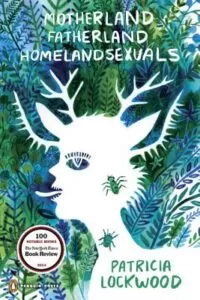
Patricia Lockwood, “Rape Joke”
This contemporary poem gained immediate and widespread attention upon its online publication in 2013, becoming a viral sensation and sparking considerable discussion about trauma, humor, and the limitations of language in addressing difficult experiences. Its direct, unflinching, and darkly humorous approach broke new ground and solidified its place as a significant and instantly famous poem in the digital age.
Lucille Clifton, “Homage to My Hips”
Lucille Clifton’s poetry is celebrated for its directness, warmth, and celebration of Black womanhood. “Homage to My Hips” is a joyful, defiant, and sensual celebration of the speaker’s physical self. The personified hips are powerful and independent, asserting their presence and vitality. This poem’s frankness and self-love have made it a famous and empowering piece.
Lucie Brock-Broido, “Am Moor”
Lucie Brock-Broido’s poetry is known for its exquisite, ornate language and haunting, often elusive subject matter. While perhaps less instantly recognizable to a broad audience than some others on this list, “Am Moor” is highly regarded within contemporary poetry circles for its linguistic richness and emotional intensity, making it a famous example of her distinctive style and a poem deeply admired by poets.

Sappho, “The Anactoria Poem” (Fragment 16)
Though written in ancient Greek and existing only in fragments, Sappho’s work is foundational to lyric poetry, and “The Anactoria Poem” is her most complete and famous surviving piece. Translated across centuries, it expresses the speaker’s profound desire and longing for Anactoria, asserting that true beauty lies not in armies or spectacle but in what one loves. Its antiquity and the power of its emotional expression make it a universally famous work, bridging millennia.

Kevin Young, “Errata”
Kevin Young is a prominent contemporary poet, and “Errata” is celebrated for its clever structure and heartfelt content. Framed as a list of corrections to a life or a narrative, it uses the language of editing to explore memory, identity, and regret. Its innovative form and relatable themes have made it a famous and admired poem, particularly for its unique take on personal history.
 Beauty Was the Case that They Gave Me mark leidner
Mark Leidner, “Romantic Comedies”
Mark Leidner’s work often employs humor and unexpected turns. “Romantic Comedies” is a contemporary poem that delights readers with its surreal and witty observations about love and relationships through the lens of film tropes. Its unique blend of absurdity and insight has made it a famous example of contemporary poetic humor and a widely shared piece online.
Carolyn Forché, “The Colonel”
A prose poem based on a real-life experience in El Salvador, “The Colonel” is a chilling and unforgettable account of encountering brutality and human rights abuses firsthand. Its stark, reportage-like style and the shocking final image make it incredibly impactful and a famous example of bearing witness in poetry, bringing the realities of political violence into sharp focus for readers.
Rita Dove, “After Reading Mickey in the Night Kitchen for the Third Time Before Bed”
Rita Dove, a former U.S. Poet Laureate, is known for her accessible yet layered poetry. This poem, inspired by Maurice Sendak’s children’s book, captures the surreal and tender moments of a parent reading to a child. Its ability to evoke the specific, dreamlike atmosphere of childhood and the intimacy of the reading ritual makes it a beloved and famous poem, especially among parents and educators.

Nikki Giovanni, “Ego Tripping (there may be a reason why)”
Nikki Giovanni is a prominent voice from the Black Arts Movement. “Ego Tripping” is a bold, self-affirming poem that traces the speaker’s lineage back to ancient African queens and cosmic forces, celebrating Black identity with grand, imaginative claims. Its confidence and expansive vision have made it a famous and empowering performance piece, widely shared and celebrated.
Terrance Hayes, “The Golden Shovel”
Terrance Hayes’s innovative poem “The Golden Shovel” is a tribute to Gwendolyn Brooks. It uses a unique form where the last word of each line in the new poem is, in order, a word from a line of Brooks’s “We Real Cool.” This constraint creates a fascinating interplay between the new poem’s meaning and the original text, making it a famous example of formal innovation and intertextual homage in contemporary poetry.
The Enduring Power of Famous Poems
The poems listed here represent just a fraction of the incredible diversity and depth of poetry written in English. What makes a poem famous is often a confluence of factors: its artistic merit, its ability to capture the spirit of its time or a universal human experience, its memorability, and its propagation through anthologies, education, and cultural references.
Exploring these famous poems offers more than just literary knowledge; it provides insight into different eras, perspectives, and the fundamental questions that connect us across time. Whether revisiting a classic learned in school or discovering a modern work that has captured the public imagination, engaging with these famous pieces is an opportunity to connect with the enduring art of poetry and the powerful ways words can shape our understanding of ourselves and the world. They remind us that poetry, far from being irrelevant, continues to bloom in the collective consciousness, enriching our language and our lives.