
English poetry boasts a rich tapestry of iconic verses that have resonated through generations. From classic sonnets to modern free verse, these poems have captured the human experience, explored profound themes, and left an indelible mark on our cultural consciousness. This exploration delves into some of the most recognizable and influential English poems, highlighting their significance and enduring power.
Contents
A Canon of Iconic English Poems
Defining “iconic” can be subjective, but for this exploration, we focus on poems that have achieved widespread recognition, are frequently quoted, and have permeated various aspects of popular culture. These poems often possess both literary merit and cultural ubiquity.
Classic Voices
-
William Shakespeare, “Sonnet 18” (“Shall I compare thee to a summer’s day?”): Perhaps the most famous sonnet in the English language, this poem epitomizes the power of love and poetic immortality. Its opening lines are instantly recognizable and often quoted.
-
William Blake, “The Tyger”: With its evocative imagery and powerful questions about creation and the nature of good and evil, “The Tyger” remains a cornerstone of English Romantic poetry. “Tyger, tyger, burning bright” echoes through literature and music.
 William Blake, The Tyger
- Samuel Taylor Coleridge, “Kubla Khan”: A fragment of a dream-inspired poem, “Kubla Khan” showcases Coleridge’s imaginative genius and his exploration of the subconscious. Its mystical imagery and evocative language have captivated readers for centuries.
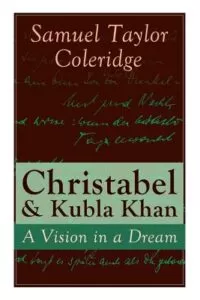 Samuel Taylor Coleridge, Kubla Khan
-
Edgar Allan Poe, “The Raven”: A masterclass in atmosphere and suspense, “The Raven” is instantly recognizable for its melancholic tone, haunting imagery, and the iconic refrain of “Nevermore.”
-
Emily Dickinson, “Because I could not stop for Death –”: Dickinson’s unique style and profound meditations on death and immortality are exemplified in this poem. Her use of dashes and unconventional capitalization creates a distinctive voice.
 Emily Dickinson Complete Poems
20th Century and Beyond
-
T.S. Eliot, “The Waste Land”: A complex and fragmented poem reflecting the disillusionment of the post-World War I era, “The Waste Land” is a landmark of modernist literature. Its exploration of themes of loss, alienation, and the search for meaning continues to resonate.
-
Robert Frost, “The Road Not Taken”: Often misinterpreted, this poem explores the complexities of choice and the human tendency to create narratives around our decisions. Its closing lines are amongst the most famous in American poetry.
-
Langston Hughes, “Harlem”: A powerful exploration of deferred dreams and the consequences of societal injustice, “Harlem” remains a poignant and relevant commentary on the African American experience.
 The Collected Poems of Langston Hughes
- Sylvia Plath, “Daddy”: A raw and intense exploration of complex father-daughter relationships, “Daddy” is a controversial yet undeniably powerful poem that showcases Plath’s confessional style.
 Sylvia Plath, Ariel
- Allen Ginsberg, “Howl”: A defining work of the Beat Generation, “Howl” is a rebellious and visceral poem that challenges societal norms and celebrates counterculture.
 Allen Ginsberg, Howl
The Enduring Power of English Poems
The poems listed above represent a small fraction of the vast and diverse landscape of English poetry. They demonstrate the enduring power of language to capture emotions, explore complex themes, and reflect the human condition. From love and loss to social justice and the search for meaning, English poems continue to inspire, challenge, and resonate with readers across generations. Exploring these iconic verses provides a gateway to appreciating the artistry and depth of English poetry.
Expanding the Canon
While the traditional canon of English poetry often emphasizes white, male voices, it’s important to acknowledge the significant contributions of diverse poets who have enriched the literary landscape. Poets like Gwendolyn Brooks, Elizabeth Bishop, Maya Angelou, Adrienne Rich, Lucille Clifton, and countless others have expanded the boundaries of poetic expression and offered powerful perspectives on identity, social justice, and the human experience. Their work deserves equal recognition and study.