
Easter is the cornerstone of Christian faith, a time of profound reflection on sacrifice, death, and glorious resurrection. While secular traditions bring symbols of spring and new life, religious Easter poems delve into the spiritual depths of this season, exploring the narrative and theological significance of Christ’s journey from the cross to the empty tomb. These poems offer a powerful medium for believers and seekers alike to connect with the core message of hope, redemption, and eternal life. Through vivid imagery, heartfelt devotion, and often solemn yet ultimately triumphant tones, religious poetry captures the essence of Easter’s transformative power.
Poetry provides a unique language to articulate the ineffable aspects of faith. Unlike prose, which might detail historical events, poetry seeks to evoke the feeling and meaning of those events. Religious Easter poems often focus on key moments in the passion and resurrection story: the agony in the garden of Gethsemane, the suffering on the cross, the silence of the tomb, and the overwhelming joy of the resurrection morning.
Themes such as divine love, atonement, forgiveness, sacrifice, and victory over death are central to this genre. Poets use metaphors and symbolism drawn from scripture and nature – a barren cross becoming a symbol of life, a sealed tomb giving way to light, winter’s death yielding to spring’s bloom. These literary devices amplify the spiritual message, making it resonate deeply within the reader’s soul. Exploring the significance of Christ’s sacrifice is a common thread in many deeply spiritual poems.
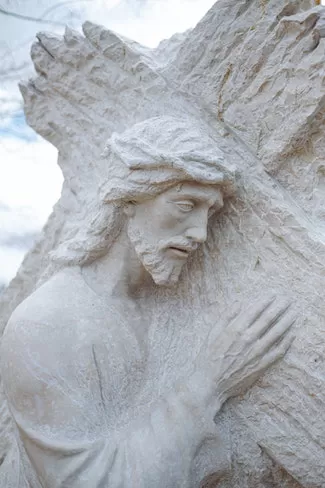 Easter and Jesus Christ
The journey towards the cross is depicted with solemnity, acknowledging the pain and separation from the divine. Poems often reflect on the weight of humanity’s sin borne by Christ and the ultimate act of love this represents. This somber reflection on the crucifixion is crucial, as it underscores the magnitude of the resurrection.
The moment of resurrection shifts the poetic tone dramatically. From sorrow and despair, poems burst forth with joy, triumph, and awe. The empty tomb becomes a potent symbol of victory over death and the promise of eternal life for believers. The imagery often becomes brighter, focusing on light, angels, and the miraculous appearance of the risen Christ. These poems celebrate the fulfillment of prophecy and the foundation of Christian hope.
Many religious Easter poems also explore the personal impact of Easter on the believer. They ask questions about faith, commitment, and how the resurrection should transform one’s life. They inspire contemplation on themes of personal rebirth, spiritual renewal, and the call to live in accordance with Christ’s teachings. This personal dimension makes the poems relatable and encourages introspection. The integration of faith into everyday life is a powerful subject for easter day poems.
For those seeking easter poem church readings or reflections, religious Easter poetry offers a rich resource. These poems can enhance worship services, provide material for sermons, or simply serve as private devotional tools. Their structure and emotional depth make them particularly suited for communal or individual meditation during the Easter season. Consider how church easter poems might uplift a congregation.
The language used in religious Easter poetry often carries a sense of reverence and solemnity, employing traditional poetic forms or free verse that allows for profound emotional expression. The choice of words, rhythm, and rhyme (or lack thereof) contributes to the overall impact, guiding the reader through the emotional landscape of the Easter narrative – from sorrow to exultation.
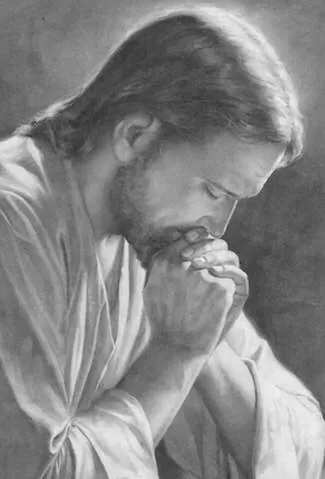 prayer
Poems about Gethsemane, for instance, might use heavier, more strained rhythms to convey the agony of Christ’s prayer, while resurrection poems might feature lighter, more dynamic rhythms suggesting breakthrough and liberation. The use of light and darkness is also a common motif, representing ignorance or sin giving way to divine truth and grace.
Exploring poetry easter allows readers to engage with the spiritual dimensions of the holiday beyond its secular celebrations. It’s an opportunity to deepen understanding and appreciation for the sacrifice and victory that form the bedrock of Christian belief. Whether encountered in a church setting, a personal devotional, or a literary collection, these poems serve as enduring testaments to the power of faith and the transformative message of Easter. A simple easter poem can unlock profound meaning.
 image from Church of Jesus Christ of Latter-day Saints
In conclusion, religious Easter poems are far more than just verses; they are expressions of deep spiritual truth, capturing the core narrative of the Christian faith in compelling and evocative language. They invite readers to reflect on the profound themes of sacrifice, death, and resurrection, offering solace, hope, and inspiration during this most sacred time of year. Through their artistic merit and spiritual depth, these poems continue to resonate, illuminating the path to understanding the enduring significance of Easter.