
Marriage is a profound journey, a commitment of hearts joining together to navigate life’s paths. Finding the right words to express the depth of this bond can elevate the ceremony and set a meaningful tone for the future. While many turn to traditional or religious texts, a wealth of moving and insightful non-religious marriage love poems and poetic excerpts can beautifully articulate the sentiments of partnership, enduring affection, and shared life.
Contents
Selecting readings that resonate with your unique relationship allows you to infuse your celebration with personal significance. Whether read aloud during the ceremony or shared in moments of reflection during the reception, these words offer windows into the multifaceted nature of love within marriage – from deep commitment and shared journeys to the beautiful freedom found in partnership. Exploring poetry from diverse voices, both classic and contemporary, can help uncover expressions that perfectly capture your intentions and hopes for your life together.
 Newlyweds holding and reading meaningful marriage love poems during their wedding ceremony
Poetic Voices on Enduring Love and Commitment
Literature offers countless reflections on love’s enduring power. Philip Pullman’s evocative promise from ‘The Amber Spyglass’ speaks to a love that transcends even death, suggesting a bond so fundamental it exists at the atomic level. This powerful sentiment captures a longing for eternal togetherness, a theme particularly potent in the context of a lifelong commitment like marriage.
“I will love you forever; whatever happens. Till I die and after I die, and when I find my way out of the land of the dead, I’ll drift about forever, all my atoms, till I find you again… I’ll be looking for you, every moment, every single moment. And when we do find each other again, we’ll cling together so tight that nothing and no one’ll ever tear us apart. Every atom of me and every atom of you… We’ll live in birds and flowers and dragonflies and pine trees and in clouds and in those little specks of light you see floating in sunbeams… And when they use our atoms to make new lives, they won’t just be able to take one, they’ll have to take two, one of you and one of me.”
J.R.R Tolkien’s “Roads Go Ever On” offers a different perspective – the journey itself. While often associated with adventure, it beautifully metaphors the path two people embark upon together in marriage. It acknowledges that the road of life has varied landscapes, through difficulties (“caves where never sun has shone”) and joys (“merry flowers of June”), but ultimately, the wandering feet turn “at last to home afar.” This speaks to the shared journey and the eventual finding of a mutual home and peace within the partnership. You can explore other poems about love and marriage that touch on the theme of shared life paths.
“Roads go ever ever on, Over rock and under tree, By caves where never sun has shone, By streams that never find the sea; Over snow by winter sown, And through the merry flowers of June, Over grass and over stone, And under mountains in the moon. Roads go ever ever on Under cloud and under star, Yet feet that wandering have gone Turn at last to home afar. Eyes that fire and sword have seen And horror in the halls of stone Look at last on meadows green And trees and hills they long have known.”
The Dynamics of Partnership in Marriage
Anne Morrow Lindbergh, in her prose reflections from ‘Gifts from the Sea’, offers profound insights into the reality of love and relationships. She highlights the impossibility and indeed, the untruth, of loving someone in the exact same way every moment. True security, she posits, lies not in demanding constancy or possession, but in accepting the fluidity of the relationship as it is, like islands surrounded by the ever-changing sea.
“When you love someone, you do not love them all the time, in exactly the same way, from moment to moment. It is an impossibility. It is even a lie to pretend to. And yet this is exactly what most of us demand… Relationships must be like islands, one must accept them for what they are here and now, within their limits – islands, surrounded and interrupted by the sea, and continually visited and abandoned by the tides.”
Lindbergh extends this metaphor, describing a good relationship as having “a pattern like a dance.” This requires lightness of touch, moving confidently to the same rhythm, partners creating a pattern together. It is a partnership built on freedom and mutual understanding, where clinging is unnecessary because both individuals are aligned. This perspective is vital for marriage, emphasizing mutual respect and individual freedom within unity. This contrasts slightly with more possessive notions sometimes found in traditional romantic poem for bf or [love short poem for her](https://latrespace.com/love-short-poem-for her/) poetry.
“A good relationship has a pattern like a dance and is built on some of the same rules. The partners do not need to hold on tightly, because they move confidently in the same pattern… Lightness of touch and living in the moment are intertwined. When the heart is flooded with love, There is no room for fear, for doubt, for hesitation. And it is this lack of fear that makes for the dance. When each partner loves so completely That they have forgotten to ask themselves Whether or not they are loved in return; When they only know that they love And are moving to its music – then and then only; Are two people able to dance perfectly in tune To the same rhythm.”
Victor Hugo, in an excerpt from ‘Les Misérables’, speaks to the heroic quality of a heart transformed by love. He suggests that such a heart becomes purified, incapable of ignoble thoughts, dwelling in a lofty and serene state. While not exclusively about marriage, this perspective underscores the transformative power of deep love and connection, which forms the foundation of a committed partnership.
“What a great thing, to be loved! What a greater thing still, to love! The heart becomes heroic through passion. It is no longer composed of anything but what is pure; it no longer rests on anything but what is elevated and great. An unworthy thought can no more spring up in it than a nettle on a glacier.”
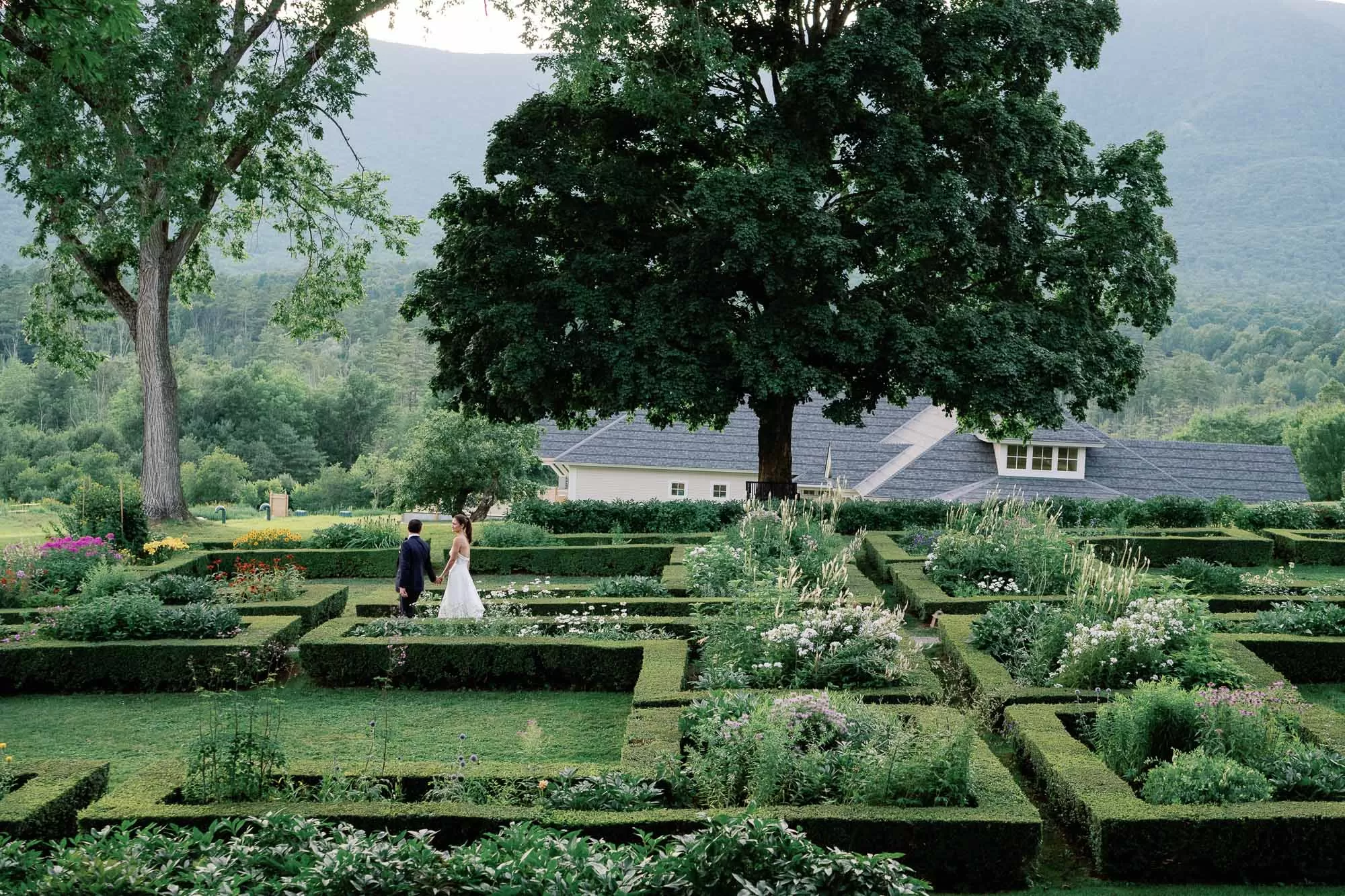 Happy couple sharing their first dance celebrating their marriage bond
The Unconditional and Unpossessive Nature of Marital Love
Pablo Neruda’s Sonnet XVII is a celebrated exploration of a unique and unconditional love, perfect for expressing the deep, almost mystical bond in marriage. He describes a love that is essential and hidden, like the light within a plant that never blooms openly. His lines, “I love you without knowing how, or when, or from where. I love you straightforwardly, without complexities or pride,” speak to a pure acceptance of the other. The concluding lines, “so close that your hand on my chest is my hand, so close that your eyes close as I fall asleep,” beautifully capture the intertwined existence of two people in deep, quiet intimacy, a hallmark of lasting marriage. This sonnet offers a different dimension compared to more conventional sweetheart poems.
“I do not love you as if you were salt-rose, or topaz, or the arrow of carnations the fire shoots off. I love you as certain dark things are to be loved, in secret, between the shadow and the soul. I love you as the plant that never blooms but carries in itself the light of hidden flowers; thanks to your love a certain solid fragrance, risen from the earth, lives darkly in my body. I love you without knowing how, or when, or from where. I love you straightforwardly, without complexities or pride; so I love you because I know no other way than this: where I does not exist, nor you, so close that your hand on my chest is my hand, so close that your eyes close as I fall asleep.”
Thich Nhat Hanh’s reflections on “Deep Listening in a Couple” emphasize the ongoing need for presence and understanding in a relationship. He challenges the notion that we ever fully know another person, suggesting that each individual is a world to explore. This continuous act of listening and being present is crucial for the growth and sustenance of marriage, preventing it from becoming routine. It’s a reminder that a deep, communicative partnership is built on respect for the other’s evolving self.
‘When I meet a couple who live together and are happy, I propose that they set up a regularly structured time of deep listening to help them stay happy together. Deep listening is, most of all, the practice of being present for our loved one… If you have the impression that you know the other person inside and out, you are wrong. Are you sure that you even know yourself? Every person is a world to explore.”
Finally, James Kavanaugh’s “To Love is Not to Possess” directly addresses the theme of freedom within commitment, a concept essential to healthy marriage. Love, he argues, is not about ownership or losing oneself, but about joining and separating, walking alone and together. The “laughing freedom” it permits allows individuals to be their true selves, perfectly joined in permanent commitment without childish dependency. He likens enduring love to waves and tides, constantly moving yet predictable, emphasizing resilience and authenticity. This poem is a powerful statement on the nature of modern marital partnership.
“To love is not to possess, To own or imprison, Nor to lose one’s self in another. Love is to join and separate, To walk alone and together, To find a laughing freedom That lonely isolation does not permit. It is finally to be able To be who we really are No longer clinging in childish dependency Nor docilely living separate lives in silence, It is to be perfectly one’s self And perfectly joined in permanent commitment To another–and to one’s inner self. Love only endures when it moves like waves, Receding and returning gently or passionately, Or moving lovingly like the tide In the moon’s own predictable harmony, Because finally, despite a child’s scars Or an adult’s deepest wounds, They are openly free to be Who they really are–and always secretly were, In the very core of their being Where true and lasting love can alone abide.”
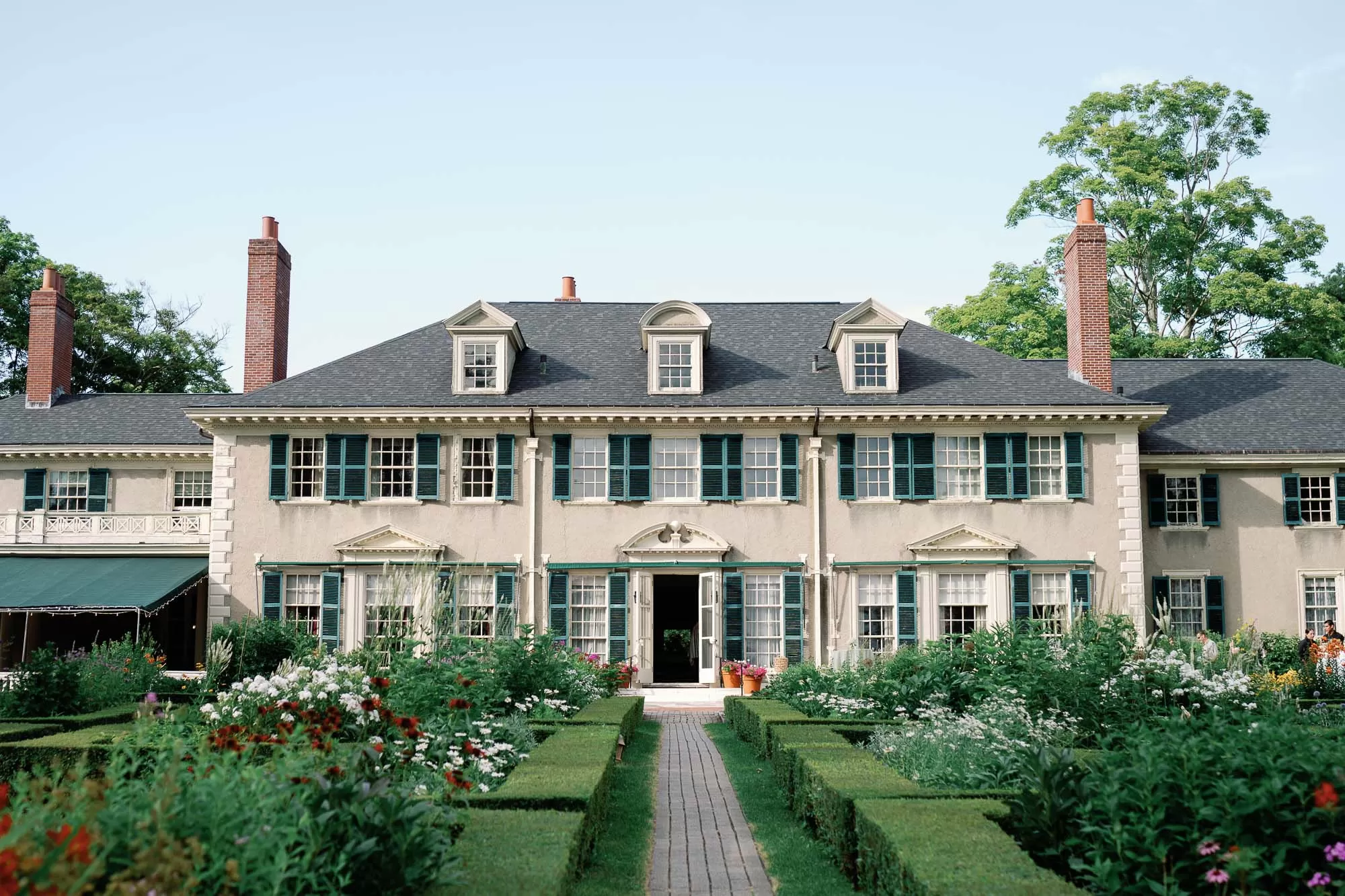 Beautiful historic venue gardens, a setting for finding the perfect marriage love poems
Finding the right marriage love poems means seeking words that resonate deeply with the unique tapestry of your relationship. These selections, ranging from poetic prose to sonnets, offer diverse perspectives on commitment, partnership, freedom within unity, and the enduring, evolving nature of love. They serve as powerful reminders that the beauty of marriage lies in the shared journey, mutual respect, and the continuous discovery of one another. Whether for a wedding ceremony or simply for personal reflection, these words can enrich the understanding and appreciation of the marital bond.