
 alt text describing the image, relevant to waterfall poetry and Lauris Edmond
Contents
Lauris Edmond’s “Waterfall” is a powerful poem about aging, memory, and the transformative nature of love. Like the relentless rush of water over a precipice, the poem explores the passage of time and its impact on our lives. This article delves into the rich imagery, symbolism, and technical mastery Edmond employs to create a truly immersive reading experience.
The Irresistible River of Time
Edmond’s poem begins with a declaration of acceptance: “I do not ask for youth, nor for delay in the rising of time’s irreversible river.” This opening sets the tone for the poem’s exploration of time as an unstoppable force. The “irreversible river” functions as a central metaphor, representing the continuous flow of life towards an inevitable end.
I do not ask for youth, nor for delay
in the rising of time’s irreversible river
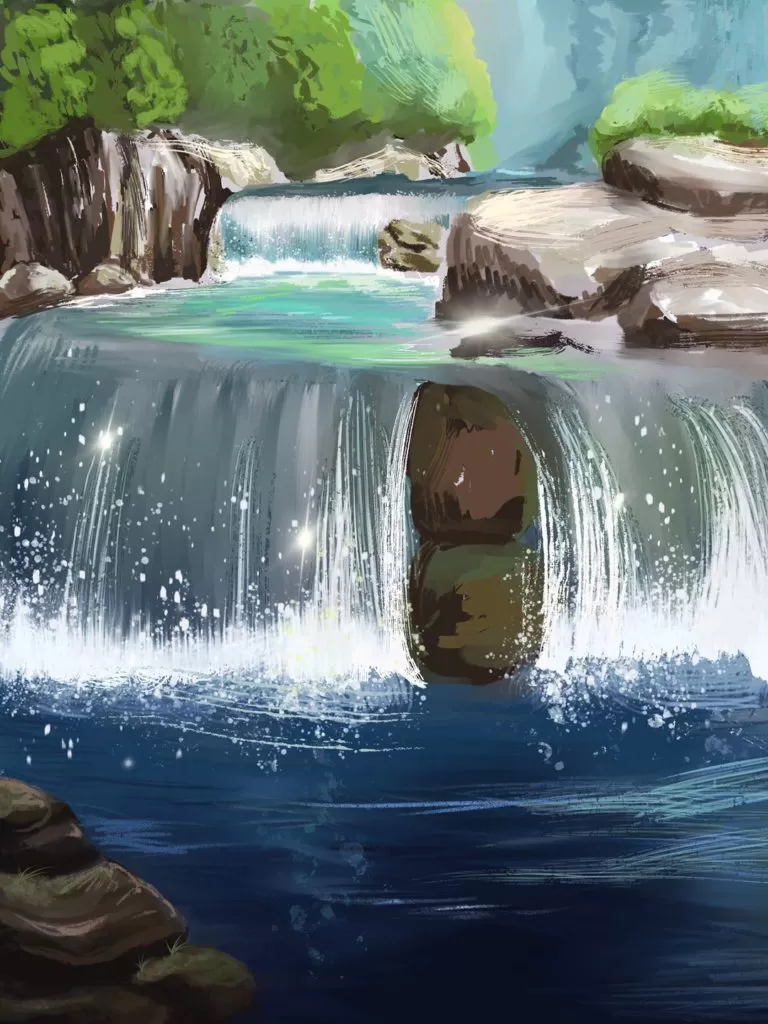
that takes the jewelled arc of the waterfall
in which I glimpse, minute by glinting minute,
all that I have and all I am always losing
as sunlight lights each drop fast, fast falling.
The waterfall itself becomes a potent symbol, embodying both the beauty and transience of existence. Each drop of water, illuminated by sunlight, represents a precious moment in life, sparkling briefly before being swept away. The imagery of “minute by glinting minute” emphasizes the fleeting nature of these moments, highlighting the speaker’s awareness of both possession and loss.
 alt text reflecting waterfall imagery, loss and time, connecting to Edmond's themes
Love’s Green Darkness: Memory as Antidote
The second stanza shifts from the universal to the personal, addressing a “you” shrouded in “love’s green darkness.” This section evokes a dreamlike memory, possibly of a past love or a younger version of the speaker’s partner.
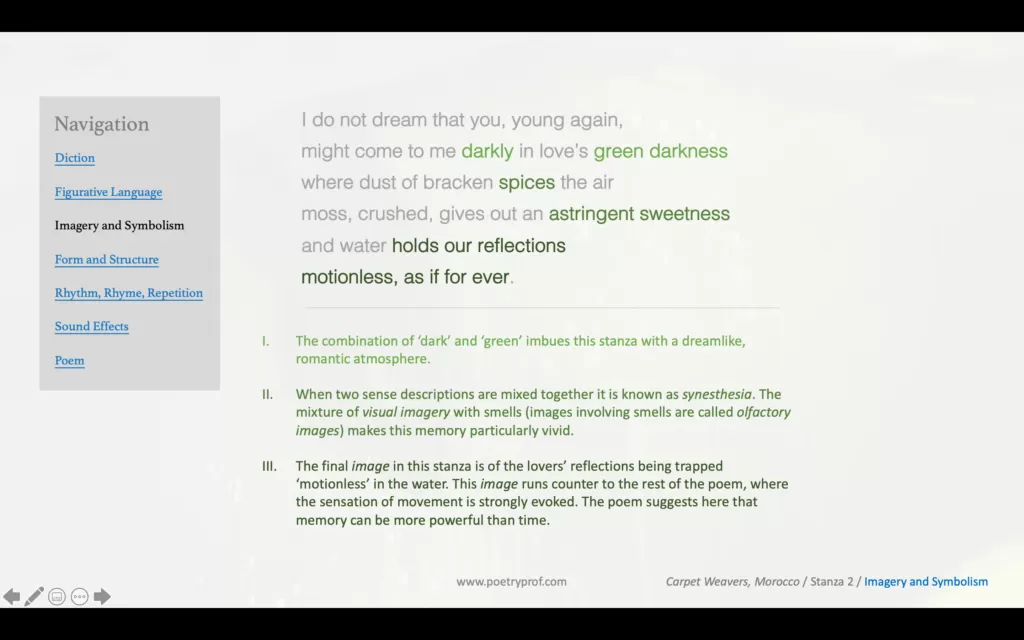
I do not dream that you, young again,
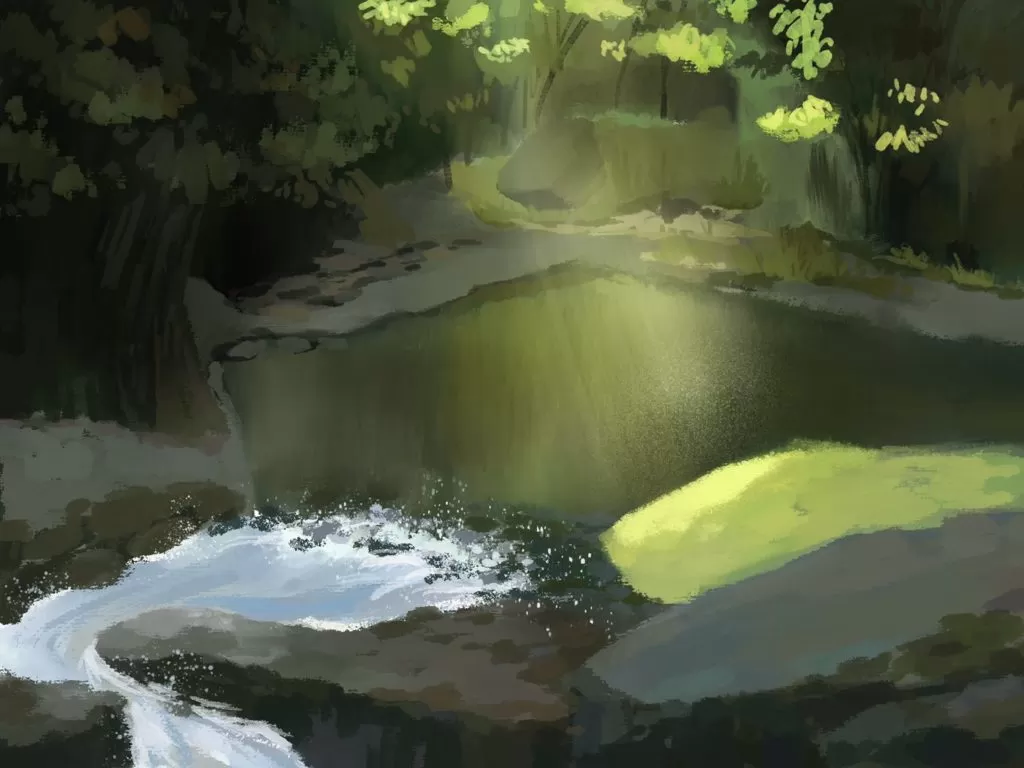
Might come to me darkly in love’s green darkness
Where the dust of the bracken spices the air
Moss, crushed, gives out an astringent sweetness
and water holds our reflections
motionless, as if for ever.
The contrasting imagery of “green” and “darkness” creates a sense of mystery and intimacy. The evocative language, filled with olfactory images like “bracken spices the air” and “astringent sweetness,” further intensifies this dreamlike atmosphere. This stanza suggests that memory can act as a refuge against the passage of time, preserving precious moments “as if for ever.”
 alt text highlighting the imagery of love's green darkness and memory in Edmond's poem
Kindness and the Present Moment
The third stanza returns to the present, reflecting on a more mature and quieter form of love. The language becomes simpler and more restrained, contrasting sharply with the passionate imagery of the previous stanza.
It is enough now to come into a room
and find the kindness we have for each other
– calling it love – in eyes that are shrewd
but trustful still, face chastened by years
of careful judgement; to sit in the afternoons
in mild conversation, without nostalgia.
The speaker acknowledges the transformation of love over time, replacing intense passion with a more enduring kindness. The words “shrewd” and “careful judgement” hint at past difficulties, suggesting that this quieter love is born out of shared experience and understanding.
The Intensity of Remembering
The final stanza brings a sudden shift in perspective. The speaker’s tranquility is interrupted by a renewed intensity of feeling, triggered by the imminent departure of the “you.”
But when you leave me, with your jauntiness
sinewed by resolution more than strength
– suddenly then I love you with a quick
intensity, remembering that water,
however luminous and grand, falls fast
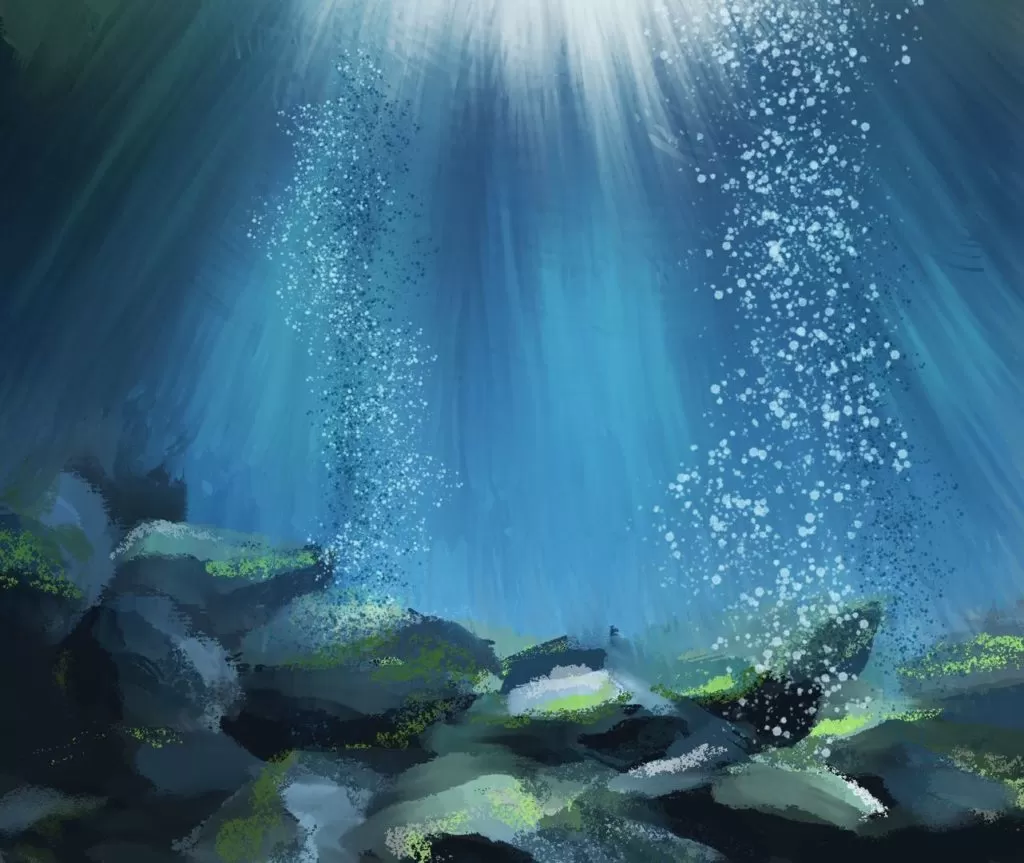
and only once to the dark pool below.
The image of the waterfall returns with renewed force, reminding the speaker of the ultimate finality of time. The “dark pool below” serves as a metaphor for death, highlighting the preciousness of each remaining moment. This final realization underscores the poem’s central theme: the importance of cherishing the present, even as time relentlessly carries us towards the inevitable.
 alt text focusing on the dark pool imagery and the finality of time in Edmond's waterfall poem
Conclusion: Embracing the Flow
Edmond’s “Waterfall” is a powerful meditation on the passage of time and its impact on love and memory. Through its vivid imagery, masterful use of form, and emotional depth, the poem encourages us to embrace the present moment and appreciate the fleeting beauty of life, even as it flows relentlessly towards its inevitable end. Like the waterfall itself, life is both luminous and grand, but ultimately transient, reminding us to cherish every drop.