
When we speak of the foundational texts of Western literature, the poetry of Homer stands paramount. For centuries, the name Homer has been synonymous with epic poetry, the supposed author of The Iliad and The Odyssey, two monumental works that have shaped storytelling, philosophy, and culture. While the true identity and even existence of Homer remain subjects of scholarly debate, the influence of the poems attributed to him is undeniable, establishing a standard that would echo through millennia.
Contents
Homer: The Enigmatic Voice
Much of what we think we know about Homer is shrouded in legend. Tradition places him around 850 BC, possibly born in Ionia in Asia Minor, though other locations like Babylon and Ithaca are also suggested. The very name “Homer” has debated meanings, from “hostage” to “he who has put a song to a tune,” hinting perhaps at a life as a wandering minstrel, possibly blind according to ancient accounts. Despite the tireless efforts of academics, the historical Homer is elusive. What matters most, however, is the corpus of work that bears his name and its profound impact.
The Epic Cycle and Homeric Works
The core of the poetry of Homer lies in The Iliad and The Odyssey, but these are often seen as part of a larger “Epic Cycle” of poems from the 6th and 5th centuries BC. While many poems were linked to this cycle, The Iliad and The Odyssey are uniquely preserved and attributed to Homer. It is widely believed that these epics originated from a rich oral tradition, passed down through generations of bards before eventually being transcribed and standardized. The exact timing of their writing—whether during a supposed Homer’s lifetime or much later—remains uncertain, but their crystallization gave birth to a continuous stream of Homeric study and intense scholarship that persists into the modern era. These works are rightly considered among the greatest poems ever composed.
 Bust of Homer, a blind man with a beard and thoughtful expression, representing the legendary poet
The Iliad: A Tapestry of War and Fate
The Iliad, the earlier of the two major epics, is set during the final weeks of the decade-long Trojan War. It does not cover the entire conflict but focuses on a specific, intense period fueled by the wrath of the great Greek warrior Achilles. It’s a sweeping narrative of gods intervening in human affairs, kings leading armies, acts of immense courage and betrayal, and the tragic inevitability of fate. Through vivid descriptions of combat and poignant portrayals of human emotion, The Iliad explores themes of honor, glory, loss, and the brutal reality of war, painting a complex picture of a heroic age.
 Illustration depicting characters and scenes from The Iliad, potentially focusing on conflict or key figures
The Odyssey: A Journey of Return and Resilience
Considered a sequel, The Odyssey shifts focus from the battlefield to the arduous journey home of Odysseus, the cunning king of Ithaca, after the fall of Troy. His ten-year voyage is fraught with mythical monsters, divine challenges, and human obstacles, testing his wit, endurance, and loyalty. The Odyssey is an archetypal journey narrative, exploring themes of homecoming, identity, perseverance, and the complexities of family and societal order. Its influence is evident in countless subsequent works of literature, from the epic journey in The Epic of Gilgamesh to the portrayal of Odysseus in Dante’s Inferno.
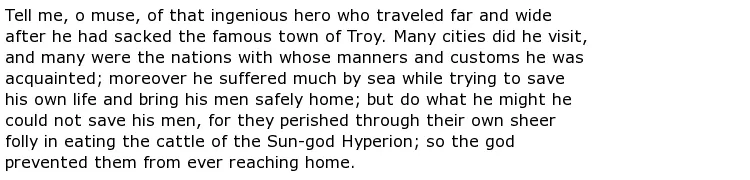 Illustration depicting characters and scenes from The Odyssey, likely featuring Odysseus, ships, or mythical creatures from his journey
The Lasting Legacy of Homer’s Poetry
Plato famously called Homer the educator of Greece, recognizing the profound impact his epics had on shaping Greek thought and values. More than just adventure stories, the poetry of Homer is interspersed with deep philosophical reflections on the human condition, justice, fate, and the relationship between mortals and the divine. His works were not merely entertainment but foundational texts for understanding the world, art, and ethics in antiquity. Whether the historical Homer was a single individual, a collective of poets, or a product of oral tradition, the unified power and beauty of The Iliad and The Odyssey have resonated through every subsequent literary age, maintaining their status as cornerstones of world literature and potent sources of inspiration even today.