
The sonnet, a 14-line poem with a structured rhyme scheme and rhythm, holds a unique place in the world of poetry. But why, across centuries and cultures, have poets chosen this specific form to express themselves? What is it about the sonnet that continues to attract and inspire writers today? This article explores the reasons behind the sonnet’s enduring popularity.
Contents
The Allure of Structure and Challenge
One key reason poets gravitate towards sonnets lies in their inherent structure. The constraints of iambic pentameter (ten syllables per line with alternating unstressed and stressed beats) and a specific rhyme scheme (such as ABAB CDCD EFEF GG in the Shakespearean sonnet) provide a framework that can be both challenging and liberating. This framework demands precision and ingenuity, pushing poets to carefully consider their word choices and phrasing. The limitations, paradoxically, foster creativity. Like a sculptor working with a specific block of marble, the sonnet form shapes the poet’s expression, often leading to unexpected and powerful results.
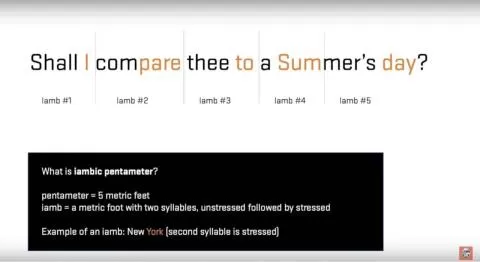 Sonnet Structure Image: Iambs
The strict meter and rhyme of a sonnet create a musicality and rhythm that enhance the poem’s emotional impact. The regular beat of iambic pentameter can evoke a heartbeat, a lover’s sigh, or the steady march of time. The echoing rhymes create connections between lines and ideas, weaving a tapestry of sound and meaning.
Expressing Deep Emotions and Complex Ideas
While traditionally associated with romantic love, the sonnet’s capacity for expressing complex emotions and ideas extends far beyond this single theme. The tightly structured form provides a container for intense feelings, allowing poets to explore everything from grief and loss to social injustice and the nature of existence. The 14 lines offer sufficient space for developing a nuanced argument or exploring a multifaceted emotion, while the concluding couplet (in the Shakespearean form) provides an opportunity for a powerful summary or a surprising twist.
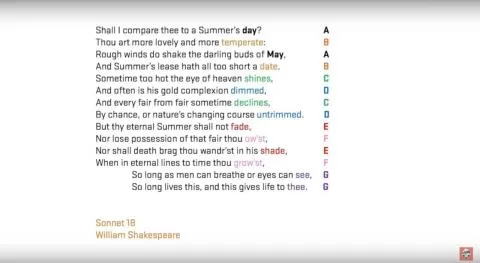 Image of Sonnet Structure: Rhyme Scheme
The “turn,” a shift in thought or emotion that typically occurs in the final lines of the sonnet, adds another layer of complexity and intrigue. This turn can be a moment of revelation, a change in perspective, or a sudden intensification of feeling. It allows the poet to surprise the reader, to challenge assumptions, and to create a lasting impact.
Connecting with Tradition and Community
Choosing to write a sonnet also connects the poet to a rich literary tradition. From Petrarch and Shakespeare to contemporary poets, the sonnet form has been embraced by writers across generations. By writing a sonnet, a poet engages in a conversation with those who have come before, contributing to a shared legacy of poetic expression. This connection to tradition can be both inspiring and humbling, reminding us that we are part of a larger literary community.
The Enduring Power of the Sonnet
The sonnet’s enduring appeal lies in its unique combination of structure, emotional depth, and historical resonance. The constraints of the form challenge poets to be creative and precise, while the framework itself provides a vessel for expressing complex emotions and ideas. By choosing the sonnet, poets connect themselves to a rich literary tradition and contribute to the ongoing evolution of this enduring poetic form. So, why do people use sonnets? Because they offer a powerful and enduring way to explore the complexities of human experience and the beauty of language.