
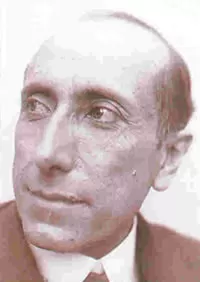
 Amado Nervo
Contents
Amado Nervo (1870-1919), a prominent Mexican journalist, novelist, and diplomat, holds a special place in the hearts of poetry lovers for his evocative exploration of love, both earthly and divine. His “amado nervo poems in spanish” continue to resonate with readers today, offering a glimpse into the depths of human emotion. This article delves into several of his most poignant pieces, highlighting his unique blend of romanticism and spiritual seeking. Nervo’s work often echoes the mystical poetry of Hafez, with a focus on love as a central theme, intertwining secular passion with religious devotion. His interest in Asian religions adds another layer of complexity to his work, suggesting an ecumenical approach to his Catholic faith (he initially intended to join the priesthood). This exploration of Eastern spirituality also helps contextualize the influence of Eastern thought on other early 20th-century poets like Rilke and Jiménez.
She Kissed Me Often (Me besaba mucho)
This poem captures the intensity and urgency of love shadowed by the premonition of loss.
*Me besaba mucho, como si temiera
una partida inminente… Era inquieta,
nerviosa su ternura…
Yo no comprendía tal febril premura.
Mi tosco intento nunca vió muy lejos…
¡Ella presentía!
¡Ella presentía que sería corto
nuestro plazo, que la vela golpeada
por el azote del viento ya aguardaba…
y en su angustia se apresuraba a darme
con cada abrazo, toda su alma, ¡a poner
en sus besos toda la eternidad!*
The speaker reflects on the passionate kisses of his beloved, recognizing only in retrospect the underlying fear of separation that fueled her ardor. Her premonition of their limited time together becomes poignantly clear, highlighting the ephemeral nature of love and life.
And the Basalt Buddha Smiled (Y el Buda de basalto sonreía)
This piece explores the cyclical nature of love and loss, using the image of a smiling basalt Buddha as a silent observer of human experience.
*Aquella tarde en el bosquecillo de álamos,
loco de amor, la dulce que idolatraba
me ofreció la rosa silvestre de su boca.
Y el Buda de basalto sonreía…
Después hubo otra cuyos encantos me prendaron;
citábame en la sombra y cambiábamos cartas
y medallones.
Y el Buda de basalto sonreía…
Hace un año hoy que perdí su cariño.
Vuelvo al sitio de nuestras citas y rendido
de la larga caminata subo al pedestal
donde descansa la imagen. Muere el día
pródigo y sangriento, y en los brazos
del Buda de basalto me sorprende
la luna misteriosa.
Y el Buda de basalto sonreía…*
The poem traces the speaker’s journey through different loves, each ending in loss. The recurring image of the smiling Buddha suggests a detached, almost ironic commentary on the repetitive nature of human relationships. The Buddha serves as a timeless witness, observing the transient joys and sorrows of human existence.
Kalpa
“Kalpa” delves into the concept of cyclical time and the possibility of infinite recurring worlds.
*“¿Queréis que todo esto recomience?”
“¡Sí!” —contestó el coro.
ASI HABLO ZARATHUSTRA.
En todas las eternidades que precedieron a nuestro
mundo, ¿cómo negarnos a creer que ya ha
habido otros planetas con seres humanos,
cuyos Homeros han declamado las primicias
heroicas y cuyos Shakespeare han vertido
las sabidurías extraídas del fondo del alma?
Serpiente que te muerdes la cola, círculo
inexorable, bola negra que giras sin cesar,
monótono estribillo de la misma canción,
abismal marea, ¿no ha de tener fin tu historia?*
Drawing inspiration from Nietzsche’s Thus Spoke Zarathustra, Nervo contemplates the vastness of time and the potential for endless repetition. The image of the serpent biting its tail symbolizes this cyclical nature, questioning whether there is an ultimate end to this cosmic cycle.
Identity (Identidad)
“Identity” explores the concept of oneness with God and the achievement of nirvana.
*Tat Tvam Asi (Tú eres eso: es decir, eres una y la
misma cosa con todo lo que te rodea; eres la
cosa en sí).
Quien se sabe uno con Dios logra el nirvana:
ese nirvana en que toda tiniebla se ilumina,
esa expansión vertiginosa de la conciencia humana
que no es sino la proyección de la idea divina
sobre la pantalla del tiempo…
El fenómeno, el fruto externo, vano de la ilusión,
se extingue: ya no hay pluralidad, y el yo, extático,
al fin se absorbe en el absoluto, ¡y tiene por
heredad toda la eternidad!*
The poem describes the transformative experience of realizing one’s unity with the divine. It evokes the concept of nirvana as a state of enlightenment where the individual self merges with the absolute, transcending the limitations of time and illusion.
Conclusion
Amado Nervo’s “amado nervo poems in spanish” continue to captivate readers with their profound exploration of love, spirituality, and the human condition. His ability to weave together romanticism, philosophical inquiry, and mystical yearning makes his work timeless and universally appealing. These poems offer a window into the soul of a poet grappling with life’s complexities and searching for meaning in a world of both beauty and sorrow. His work remains a testament to the power of poetry to express the deepest emotions and aspirations of the human heart.