
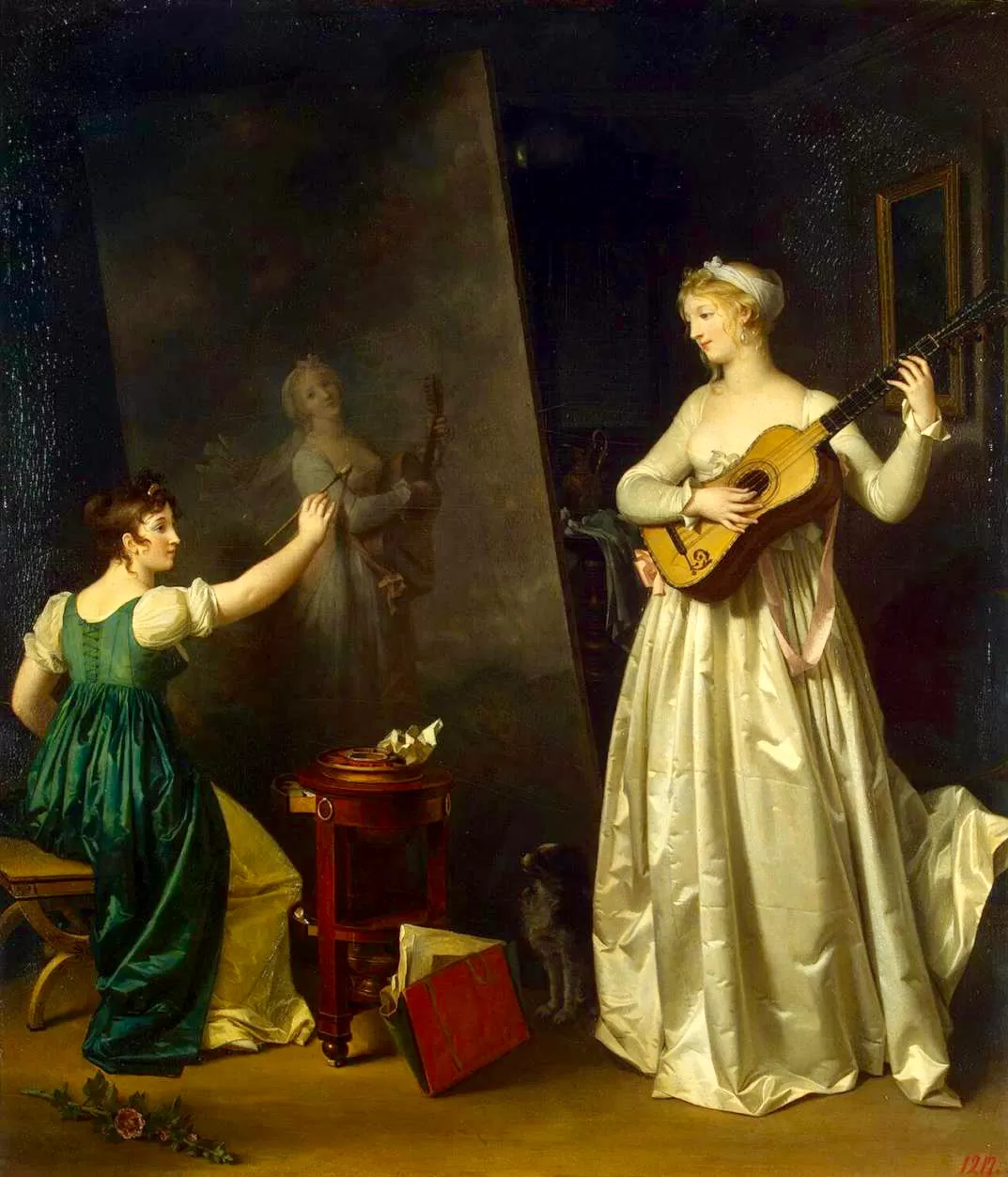
 alt text describing the image of a woman painting
Contents
The realm of arts and culture, a powerful force shaping societal values and perspectives, has long been perceived as a bastion of liberal expression. This dominance leaves conservative arts struggling for recognition and support, a crucial issue impacting the cultural landscape. This article will explore the challenges and opportunities facing conservative arts in a predominantly liberal environment, focusing on the need for increased support and amplification of these often-silenced voices.
The Struggle for Recognition
Artistic circles, encompassing musicians, writers, filmmakers, and poets, often lean heavily towards liberal ideologies. While this isn’t inherently negative, the increasing dogmatism within these spaces presents significant hurdles for conservative artists. This ideological divide creates a challenging environment where conservative viewpoints are marginalized, and artists who hold such views often face professional and social repercussions. Many are forced to remain silent, concealing their beliefs to navigate the industry, or they find themselves excluded from mainstream platforms and opportunities.
This lack of representation in the mainstream results in a skewed portrayal of societal values, leaving a significant portion of the population feeling unheard and unseen. The absence of diverse perspectives limits the artistic landscape, hindering the potential for robust dialogue and creative exploration.
The Importance of Patronage
Historically, the arts have flourished under the patronage of individuals and institutions who recognize their intrinsic value. Conservative arts face a unique challenge in securing this vital support. A shift in perspective is needed within conservative circles to recognize the crucial role of artistic expression in shaping culture and promoting conservative values. Investing in conservative arts should be viewed not merely as a financial venture, but as a strategic investment in cultural influence and the preservation of traditional principles.
Cultivating a Discerning Audience
Beyond financial backing, fostering a discerning audience is paramount for the growth of conservative arts. This involves cultivating an appreciation for quality artistry that transcends superficial political messaging. Conservative audiences should be encouraged to engage with art that subtly reflects conservative values, rather than seeking overt affirmations of their beliefs. This necessitates a deeper understanding of artistic nuances and the ability to recognize the underlying philosophy embedded within creative works.
The Power of Narrative
Conservative arts possess the power to tell compelling stories that resonate with a broad audience. Narratives that celebrate family values, personal responsibility, and faith can have a profound impact on shaping cultural perceptions. By supporting artists who create such narratives, conservatives can effectively counter prevailing narratives that often undermine traditional values. This requires a strategic approach to promoting conservative artists and ensuring their work reaches a wider audience.
Building Bridges and Fostering Collaboration
While challenges exist, there are also signs of hope. Emerging platforms and organizations are creating spaces for conservative artists to connect, collaborate, and share their work. Building on this momentum requires fostering a sense of community and mutual support within conservative artistic circles. It also necessitates building bridges with broader audiences to promote understanding and appreciation of conservative artistic expressions.
Conclusion
The future of conservative arts depends on a concerted effort from artists, patrons, and audiences alike. By recognizing the power of artistic expression to shape culture and promote values, conservatives can reclaim their rightful place in the artistic landscape. This involves actively supporting conservative artists, cultivating a discerning audience, and fostering an environment where diverse perspectives can flourish. Investing in conservative arts is not simply about preserving tradition; it is about shaping the future of cultural discourse.