
The haiku, a concise and evocative form of Japanese poetry, has captivated readers for centuries. This exploration delves into the lives and works of some of the most celebrated haiku masters, tracing the evolution of this art form from its roots in renga and haikai to its modern iterations.
Contents
Early Influences and the Rise of Bashō
Before the haiku as we know it emerged, linked verse forms like renga and haikai laid the groundwork. Yamazaki Sōkan (1465–1553), a court calligrapher and Buddhist monk, compiled influential anthologies of these forms, paving the way for future haiku masters. Arakida Moritake (1473-1549), another monk, also contributed significantly to these genres, with verses like:
A fallen blossom
returning to the bough, I thought —
But no, a butterfly.
This poem exemplifies the haiku’s ability to capture a fleeting moment of observation and imbue it with deeper meaning.
 A portrait of Arakida Moritake, an early influencer of the haiku.
Matsuo Bashō (1644-1694) is widely considered the master of the haiku, elevating the hokku (the opening verse of a haikai) into a standalone art form. Inspired by Chinese Tang dynasty poets and his own travels throughout Japan, Bashō’s haikus capture the essence of nature and human experience. His travelogue, Oku no Hosomichi (The Narrow Road to the Deep North), interweaves prose and haiku, a form known as haibun, and offers glimpses into his poetic philosophy. Consider this example:
Mausoleum handed over to the years
what memories?
Souvenir herbs!
Disciples and Divergent Styles
Takarai Kikaku (1661–1707), one of Bashō’s disciples, developed a style known for its humor and rhetorical flourish, contrasting with Bashō’s more austere approach. Ueshima Onitsura (1661-1738), a contemporary of Bashō, is credited by some as composing the “first real haiku,” emphasizing authenticity and breaking away from the renga tradition.
From Edo to Modern Masters
Tan Taigi (1709-1771) shifted the focus from nature to the human condition, foreshadowing the compassionate tone of Kobayashi Issa (1763-1827). Issa’s haikus are renowned for their wit, irony, and focus on everyday life, particularly the world of small creatures. His prolific output and enduring popularity solidify his place among the haiku greats.
Yosa Buson (1716-1784), a painter and poet, brought a lyrical quality to his haikus, often reflecting his artistic sensibilities. Ryōkan (1758-1831), a Zen Buddhist monk, infused his poetry with a contemplative spirit.
 A depiction of Takarai Kikaku, a disciple of Bashō known for his humorous haikus.
Masaoka Shiki (1867-1902) not only coined the term “haiku” but also advocated for its modernization, challenging traditional rules of meter and seasonal words (kigo). His concise and impactful haikus, often featuring unexpected twists, helped shape the modern haiku landscape. Taneda Santoka (1882-1940) followed in Shiki’s footsteps, embracing free verse and drawing inspiration from his travels and observations.
Women Haiku Masters
Women have also played a significant role in the world of haiku. Chiyo-ni (1701-1775), a Buddhist nun, crafted verses noted for their subjectivity and emotional depth. Later women poets like Nakamura Teijio (1900-1988), Hoshino Tatsuko (1903-1984), Suzuki Masajo (1906-2003), Kamegaya Chie (1909-1994), Nisiguchi Sachiko (1925), and Kakimoto Tae (1928) each contributed unique perspectives and styles to the haiku tradition.
A Living Tradition
From the classical masters to the contemporary voices, the haiku continues to evolve, reflecting the changing world while retaining its core essence: the ability to capture a moment in time and resonate with the human spirit. These haiku masters, through their dedication to this concise and powerful art form, have ensured its enduring legacy.
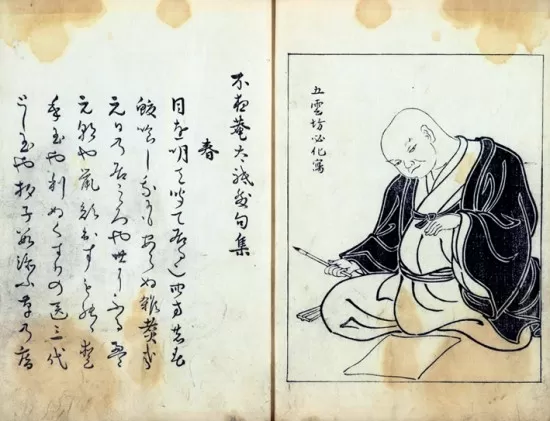 An image representing Tan Taigi, a haiku poet who emphasized the human element.