
‘As my father used to say, ‘”In every ending, there is a new beginning.”‘ This quote, echoing at the start of a pivotal episode of A Discovery of Witches, foreshadows the transformative journey of Diana Bishop and the intricate world of weavers, particularly Meridiana. This article delves into the significance of Meridiana in the series, exploring her connection to Satu, the symbolism of the Sámi drum, and the unfolding of Diana’s powers.
Contents
Meridiana’s Legacy and the Rise of Weavers
The episode opens with Matthew’s voiceover, juxtaposed with a shot of Meridiana’s severed head, a stark reminder of endings and beginnings. Meridiana’s final words to Satu, “Thank you, Weaver,” resonate with a deeper meaning as the episode progresses. We witness the end of one weaver’s life and the simultaneous awakening of two others: Satu and Diana. Diana, though still unaware of her true nature, embarks on a path that will redefine the future of weavers and the entire creature world.
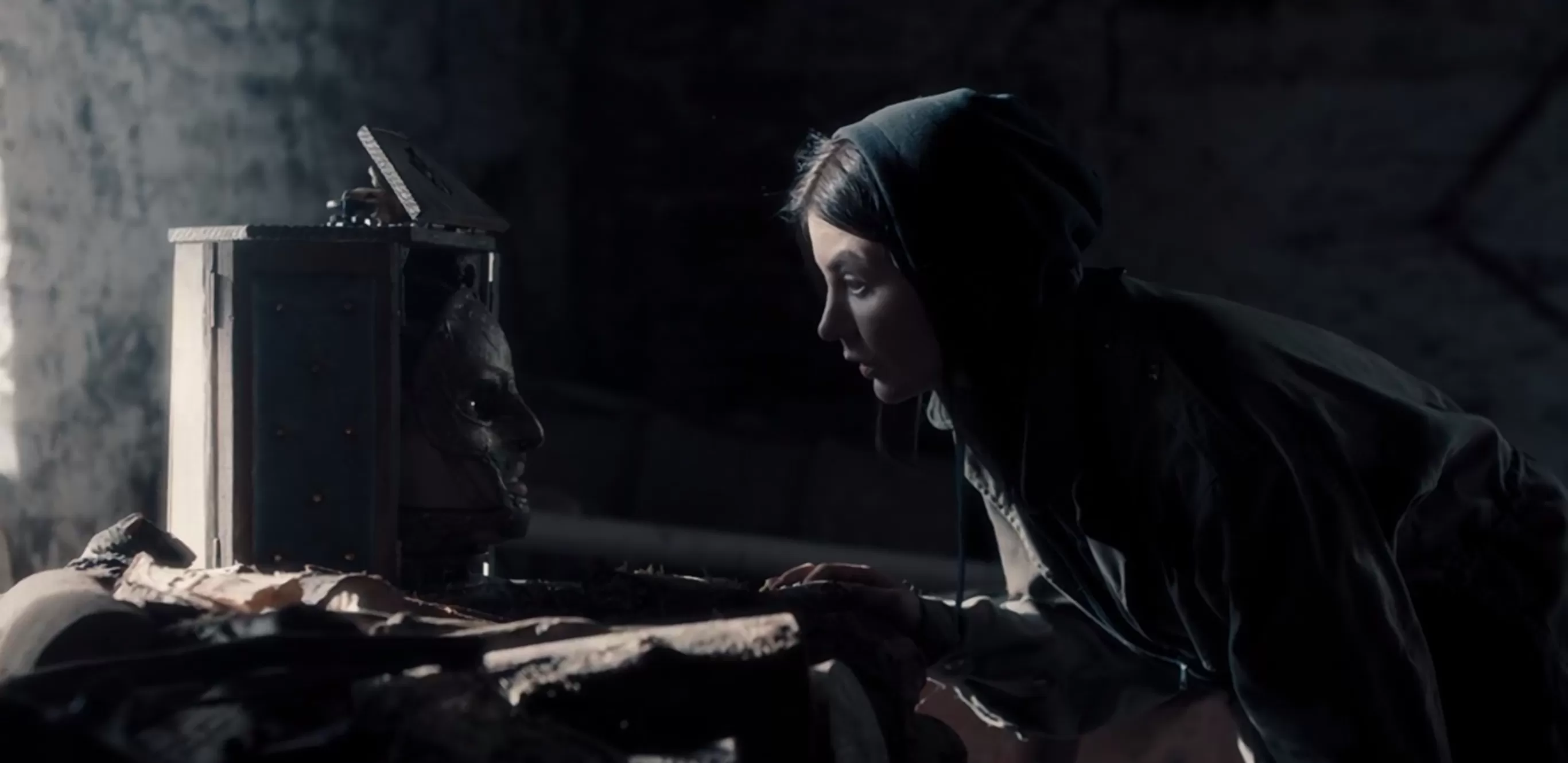 Meridiana's Head in a Box
Historical accounts often depict Meridiana as a demon, cursed by Gerbert. A 15th-century manuscript portrays her as a monstrous hybrid, further blurring the lines between witch and daemon. In A Discovery of Witches, Meridiana’s characterization as a weaver skillfully blends these two concepts. The belief that weavers possess daemon blood, granting them unique powers, adds another layer of complexity to their nature. This raises intriguing questions about the nature of Satu’s blood and whether it holds a connection to Meridiana, perhaps explaining Gerbert’s reaction to it.
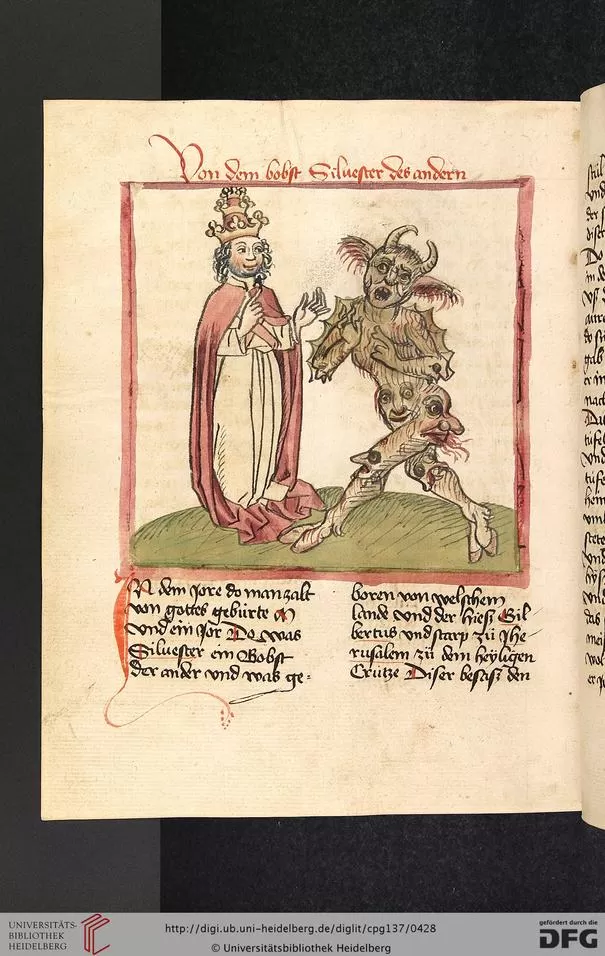 Depiction of a Demon from a 15th-Century Manuscript
Satu’s Drum and the Power of Ritual
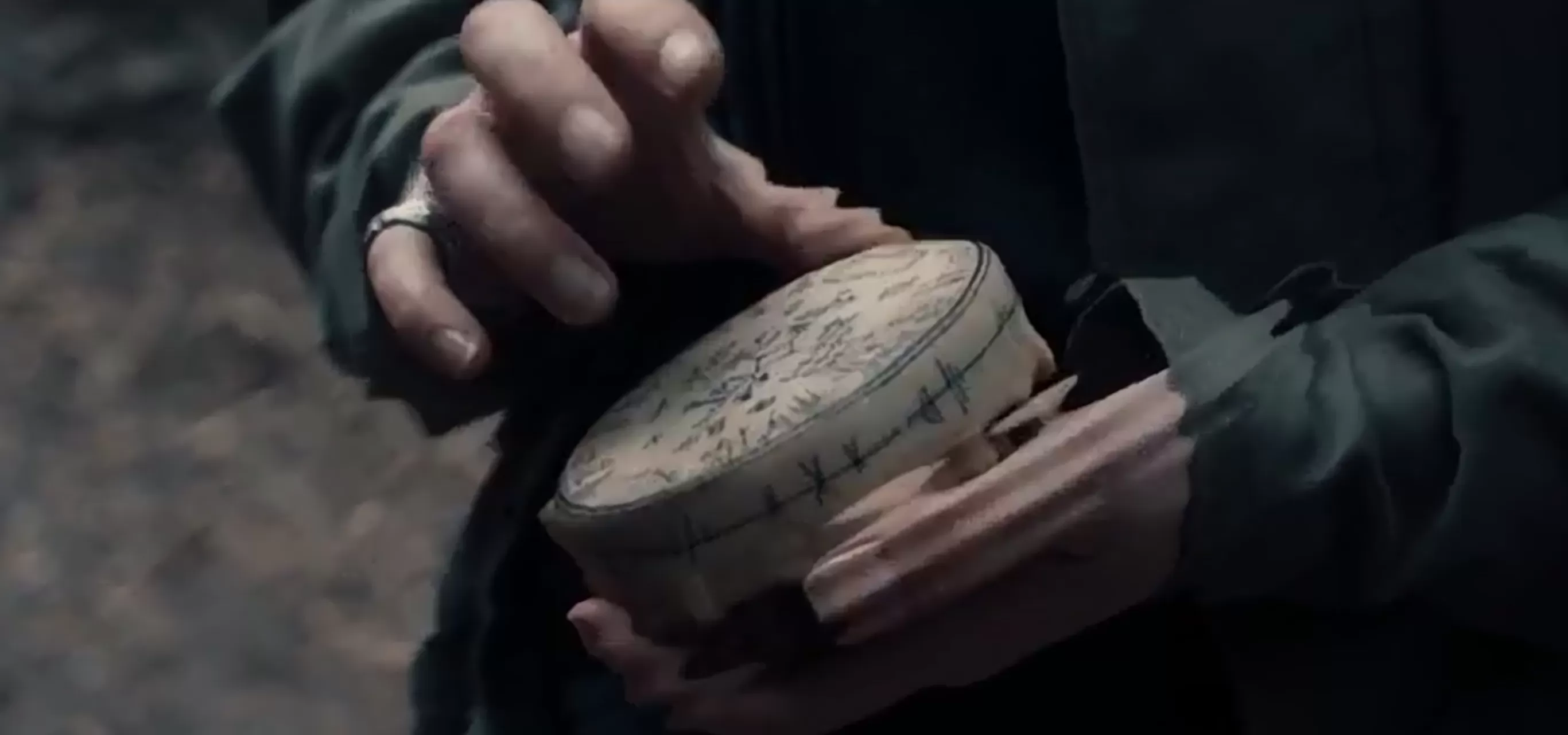
Satu’s character takes center stage as she infiltrates Sept-Tours, driven by her desire to understand Diana’s magic. Her boldness in violating vampire territory highlights her determination and sets the stage for a pivotal confrontation. The scene with the Sámi drum stands out as a powerful display of magic and tradition. The use of a real-world artifact adds depth and authenticity to the portrayal of witchcraft in the series. The drum, traditionally used by the Sámi people of Northern Europe in rituals connecting them to nature and the spiritual world, serves a similar purpose for Satu.
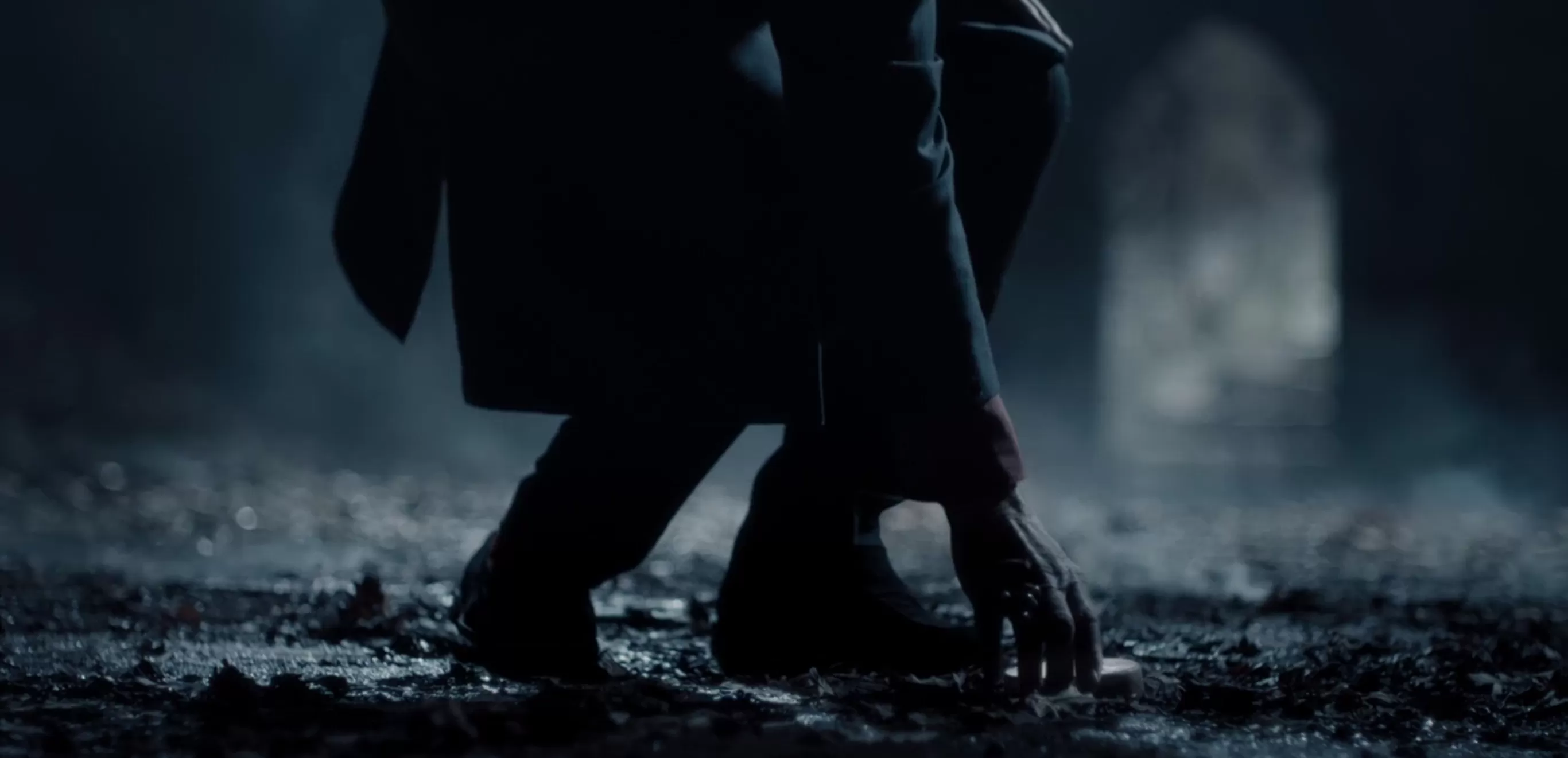 Satu using the Sámi drum
The drum’s connection to skin and decoration further ties into the recurring theme of bodily materiality in A Discovery of Witches. Skin, marked and inscribed, becomes a text to be read, a canvas for power and identity. The drumbeat itself evokes the rhythm of a heartbeat, reinforcing the connection between physical and magical realms. The tragic history of Sámi drums, many of which were destroyed during religious persecution, mirrors the suppression of magic and the loss of connection to ancient traditions.
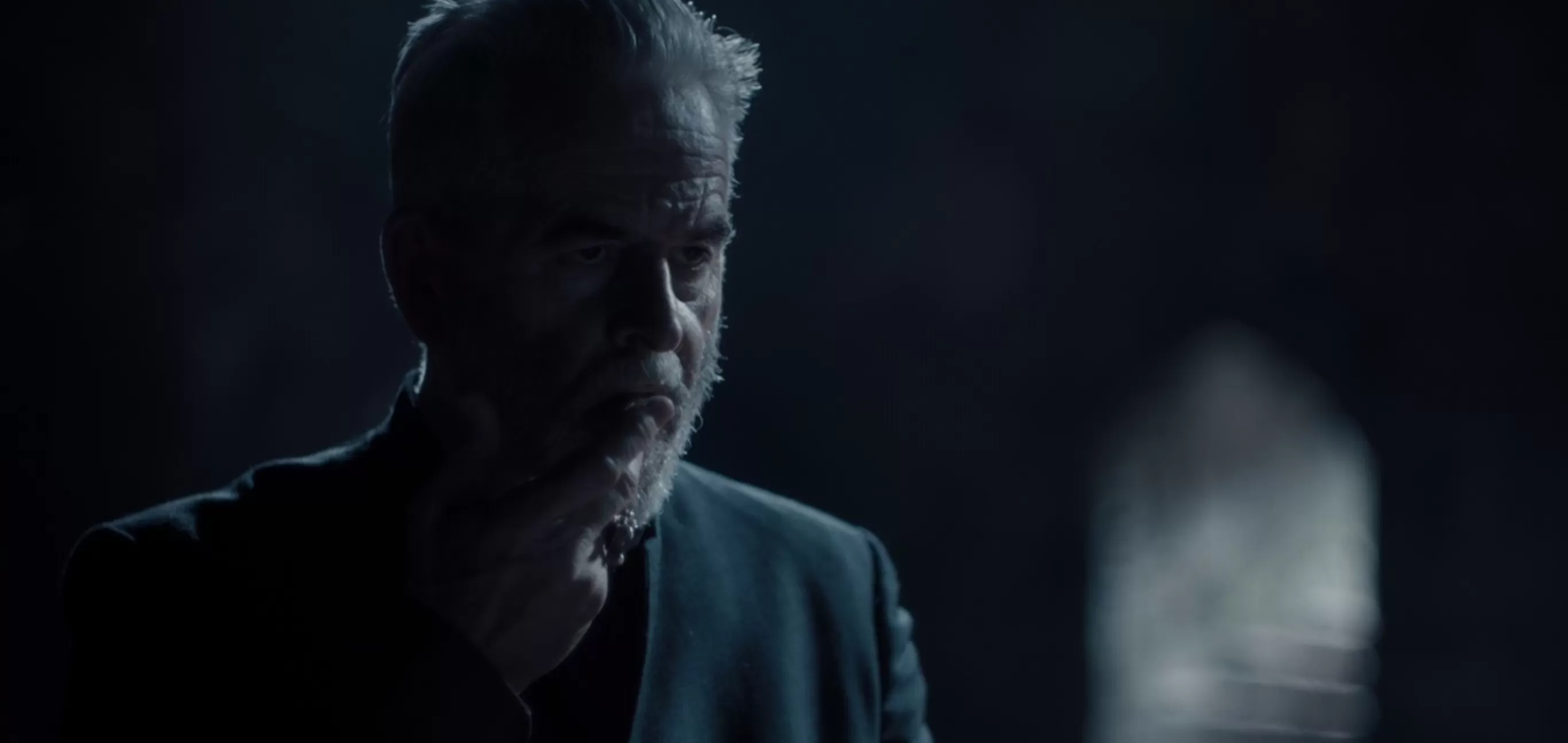 Em scrying Diana's torture
Diana’s Awakening and the Mark of Matthew
Despite Satu’s efforts, Diana’s magic remains dormant, refusing to be unlocked. Diana’s power, like the Ashmole 782 manuscript, requires a specific connection to be accessed. It’s only when faced with imminent danger, trapped in the oubliette, that Diana’s magic finally emerges. This moment of self-reliance marks a crucial turning point in her journey.
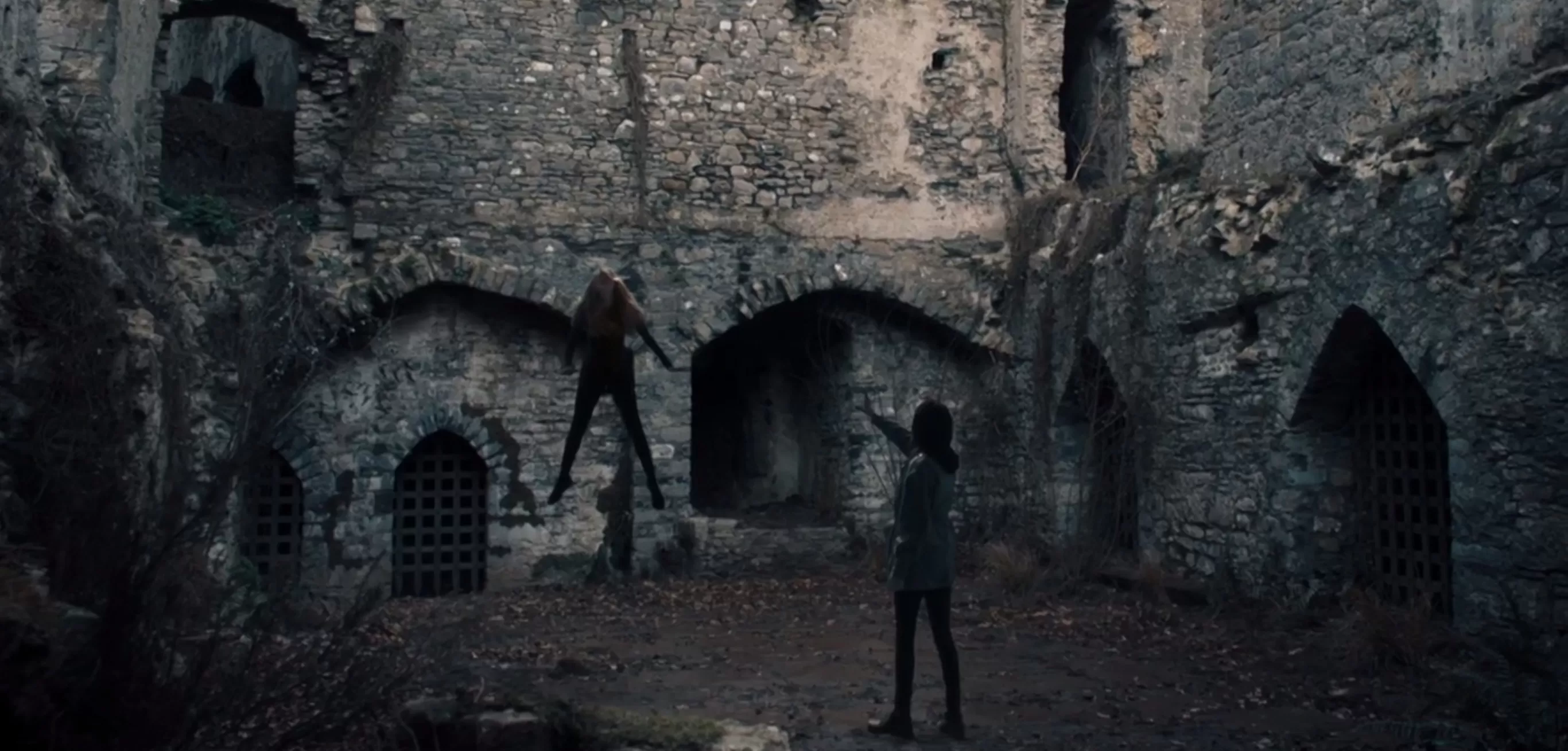 Diana trapped in the oubliette
Satu’s act of marking Diana with Matthew’s insignia further complicates her identity. This mark symbolizes Diana’s connection to Matthew and the vampire world, but it also raises questions of ownership and control. Diana, marked as belonging to Matthew, becomes a palimpsest, her true nature hidden beneath the surface. This foreshadows her eventual transformation into a vessel of knowledge, a living embodiment of the Ashmole 782 manuscript.
 Diana marked with Matthew's insignia
Conclusion
The episode culminates with a powerful juxtaposition: Satu and Meridiana, two weavers connected across time, are freed, while Diana embarks on her own path of discovery. The themes of loyalty, allegiance, and the power of mixed creature lineages are woven throughout the narrative. Diana’s awakening, marked by both self-reliance and the symbolic branding of Matthew’s insignia, sets the stage for her continued transformation and the unraveling of the mysteries surrounding Ashmole 782. Her journey, like the episode’s opening quote suggests, is one of continuous endings and beginnings, a testament to the ever-evolving nature of magic and identity in the world of A Discovery of Witches.