
 Alt text describing the image of the Times Irresistible River
Contents
Lauris Edmond’s “Waterfall” is a poem that resonates with the relentless power of nature, mirroring the equally unstoppable flow of time. Like the cascading water it describes, the poem plunges the reader into a visceral experience of both the beauty and the transience of life. This exploration delves into the poem’s intricate tapestry of imagery, sound devices, and formal elements, revealing how Edmond masterfully captures the complex emotions surrounding aging, memory, and the evolving nature of love.
The Cascade of Time: Imagery and Symbolism in “Poem Waterfall”
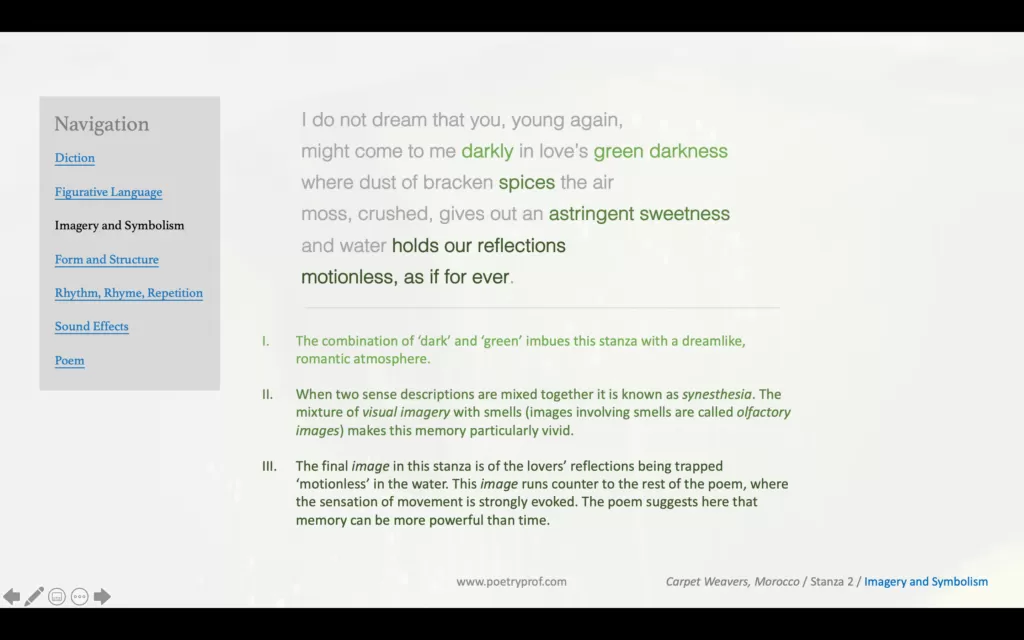
The central symbol of the waterfall dominates the poem, representing the dual nature of life’s journey: its breathtaking beauty and its inevitable descent towards an unknowable end. Edmond’s vivid imagery immerses us in the sensory experience of the waterfall, from the “jewelled arc” of its descent to the “dark pool below.” This imagery isn’t merely descriptive; it carries profound symbolic weight. The “irreversible river” serves as a metaphor for time’s relentless march, while the individual drops, “minute by glinting minute,” represent the fleeting moments of our lives, each illuminated by the “sunlight” before being swept away.
 Alt text describing image related to Waterfall PPT Sample
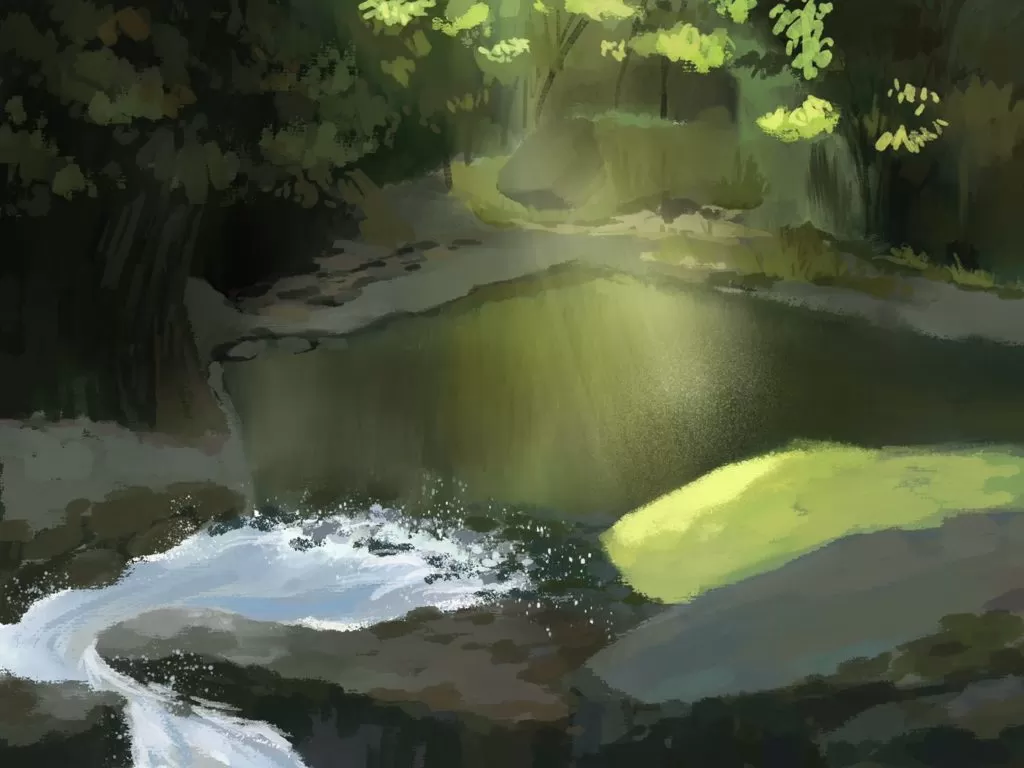
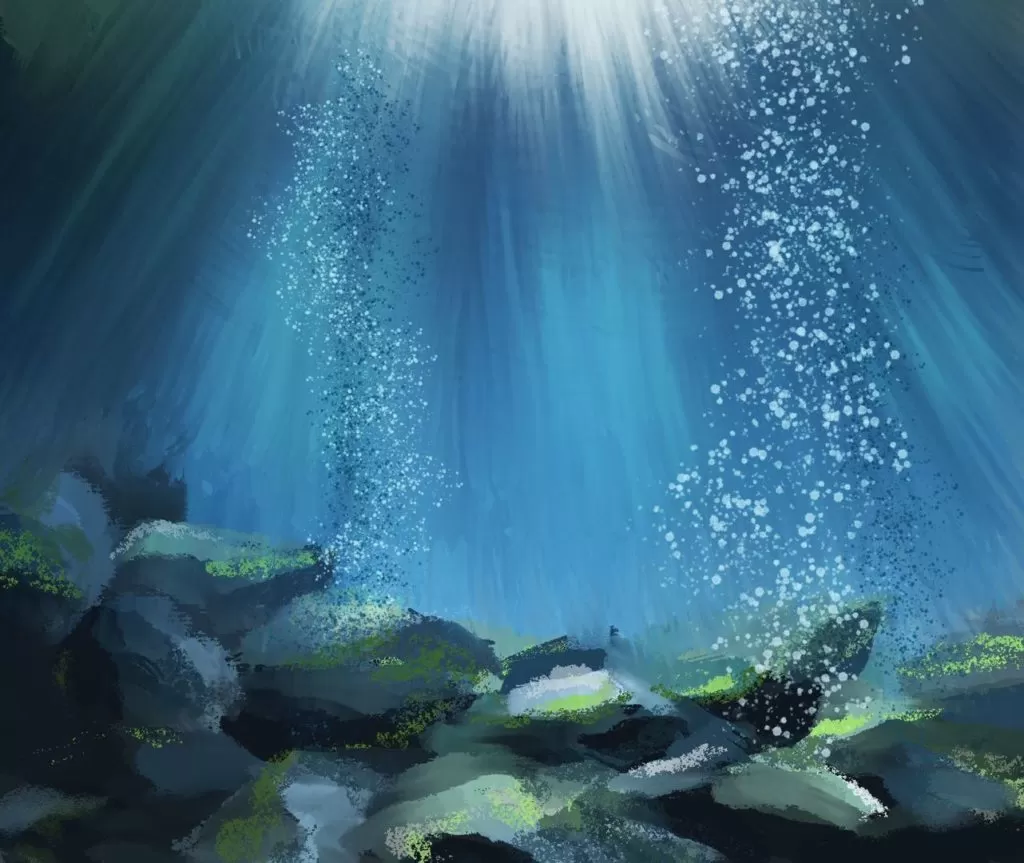
The “dark pool” at the bottom of the waterfall functions as a stark metaphor for death, the ultimate destination of every life. Yet, Edmond’s perspective is not one of despair. Instead, she embraces the transient nature of existence, finding beauty in its very impermanence. The poem’s contrasts, such as the “luminous” water against the “dark pool,” and the “green darkness” of remembered love, heighten the poignancy of these fleeting moments.
The Flow of Language: Form and Sound in “Poem Waterfall”
Edmond’s masterful use of form and sound devices enhances the poem’s evocative power. The long, enjambed lines mimic the continuous flow of water, carrying the reader along with the poem’s current. The scarcity of punctuation further reinforces this sense of uninterrupted movement, creating a feeling of breathlessness that mirrors the poem’s themes of time rushing past. The repetition of words like “minute” and “fast” emphasizes the relentless pace of time’s passage.
 Alt text describing the image of Love's green darkness
The poem’s soundscape is equally evocative. Edmond employs a rich tapestry of alliteration, consonance, and assonance to create a symphony of sound that mirrors the waterfall’s roar. The euphony created by the blending of soft consonants and vowels, particularly in the opening lines, gives way to harsher alliterations and guttural sounds, mirroring the percussive force of water striking rock. This interplay of sound and silence creates a dynamic auditory experience that immerses the reader in the poem’s world.
The Currents of Memory and Love
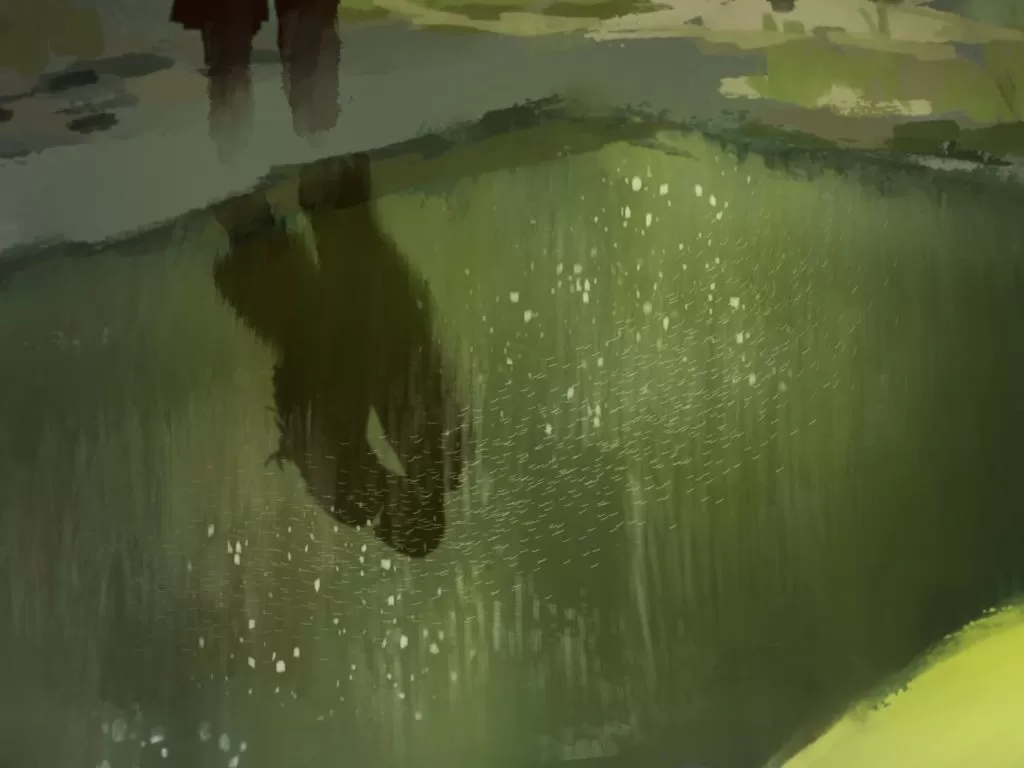
“Poem Waterfall” is not just about the abstract passage of time; it’s also a deeply personal reflection on love, memory, and the transformative power of aging. The second stanza shifts from the universal to the personal, addressing a “you” who is likely Edmond’s husband. This stanza, imbued with “green darkness” and “astringent sweetness,” evokes the sensual memories of a past love, preserved like a photograph in the amber of time. This section provides a poignant contrast to the third stanza, which depicts the quieter, more companionable love of the present, characterized by “kindness” and “mild conversation.”
 Alt text describing image related to I do not dream that you come to me darkly
The final stanza brings a powerful turn, reasserting the urgency of time’s passage and the intensity of love in the face of mortality. The realization that her husband will one day “leave” her permanently underscores the preciousness of each remaining moment.
Conclusion: Embracing the Flow
“Poem Waterfall” is a powerful meditation on the cyclical nature of time, the bittersweet beauty of memory, and the enduring power of love. Edmond’s skillful use of imagery, sound, and form creates a visceral experience that resonates deeply with the reader, reminding us to cherish each “glinting minute” before it plunges into the “dark pool” of time.
 Alt text describing the image of the Dark pool