
Alcohol has long served as a potent muse and metaphor in poetry, reflecting a vast spectrum of human experience from revelry and escape to despair and introspection. Across different cultures and eras, poets have captured the complex relationship between humanity and intoxicating spirits, delving into themes of oblivion, truth, social commentary, and altered perception. These poems about alcohol offer windows into the myriad ways drink intersects with life, art, and the human condition.
One of the most famous imperatives regarding intoxication comes from Charles Baudelaire’s “Get Drunk.” Rather than a simple endorsement of literal inebriation, the poem uses the concept of getting drunk as a call to perpetual passion and engagement with life. Baudelaire urges the reader to be intoxicated “On wine, poetry, virtue, whatever,” suggesting that a state of heightened awareness or emotional intensity is essential to escape the crushing burden of time. It’s a philosophical stance veiled in the language of indulgence, proposing that intense feeling, like the effect of alcohol, offers liberation from the mundane.
 Artwork evoking Baudelaire's era with contemplative figure
Get Drunk
by Charles Baudelaire
Always be drunk. That’s it. The great imperative. In order not to feel the horrible burden of Time bruise your shoulders, grinding you into the earth, Get drunk and stay drunk. But on what? On wine, poetry, virtue, whatever. But get drunk.
And if you sometimes happen to wake up on the porches of a palace, in the green grass of a ditch, in the dismal loneliness of your own room, your drunkenness gone or disappearing, ask the wind, the wave, the star, the bird, the clock, ask everything that flees, everything that groans or rolls or sings, everything that speaks, ask what time it is;
And the wind, the wave, the star, the bird, the clock will answer you:
“Time to get drunk! In order to not be martyred slaves of Time, Get drunk and stay drunk. On wine, virtue, poetry, whatever.
Emily Dickinson offers a completely different, metaphorical take in “I taste a liquor never brewed.” Here, the “liquor” is the intoxicating power of nature and sensory experience. Dickinson positions herself as an “Inebriate of air” and a “Debauchee of Dew,” finding a richer, more profound high in the natural world than any brewed beverage could provide. The poem uses the language of drunkenness—”Reeling,” “Tankards,” “Alcohol,” “Tippler”—to describe an intense, ecstatic connection with summer days and the sheer abundance of the outdoors. Unlike Baudelaire’s existential escape, Dickinson finds her intoxicating bliss in the vibrant, immediate reality around her. For those seeking inspirational 5 stanza poem options, Dickinson’s work often provides a wellspring of unique perspectives.
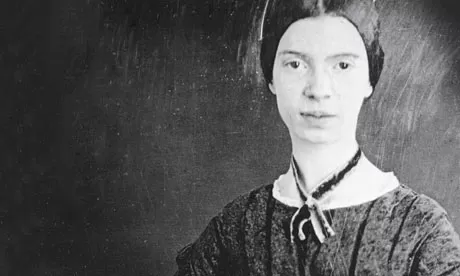 Vintage photograph of a woman resembling Emily Dickinson
I taste a liquor never brewed
by Emily Dickinson
I taste a liquor never brewed – From Tankards scooped in Pearl – Not all the Frankfort Berries Yield such an Alcohol!
Inebriate of air – am I – And Debauchee of Dew – Reeling – thro’ endless summer days – From inns of molten Blue –
When “Landlords” turn the drunken Bee Out of the Foxglove’s door – When Butterflies – renounce their “drams” – I shall but drink the more!
Till Seraphs swing their snowy Hats – And Saints – to windows run – To see the little Tippler Leaning against the – Sun!
William Butler Yeats’ “A Drinking Song” presents a simple, almost aphoristic view of the subject. The poem distills human experience into two primary avenues: love and wine. “Wine comes in at the mouth / And love comes in at the eye,” he states, suggesting these are fundamental, perhaps the only truths known before death. The act of drinking is intertwined with looking at the beloved, linking physical sensation with emotional connection in a moment of shared vulnerability expressed through a sigh. It’s a concise reflection on the basic pleasures and realities of life. If you enjoy concise yet profound expressions, you might also appreciate exploring best poems to read that capture complex ideas in a few lines.
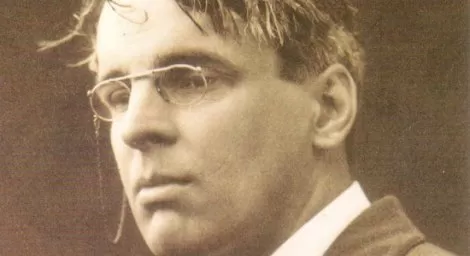 Headshot of a distinguished older man, likely Yeats
A Drinking Song Related Poem Content Details
by William Butler Yeats
Wine comes in at the mouth And love comes in at the eye; That’s all we shall know for truth Before we grow old and die. I lift the glass to my mouth, I look at you, and I sigh.
Hristo Botev’s “In the Tavern” shifts the focus dramatically to social and political commentary. For Botev, drinking is not merely personal indulgence but a complex response to oppression and national struggle. The speaker drinks to forget the “horrible burden” not of time, but of political disgrace, poverty, and the suffering of his people. The tavern becomes a locus of both defiant singing against the oppressor and a place where revolutionary fervor might dissipate with sobriety. It highlights the dual nature of alcohol as both a temporary escape from harsh reality and potentially an impediment to meaningful action. The poem’s structure and length allow for this layered exploration, much like other poems with 6 stanzas or longer works.
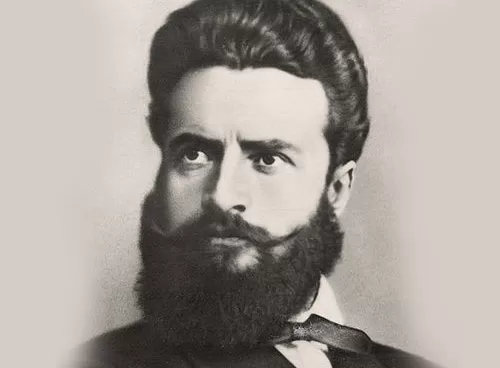 Historic image of Hristo Botev, likely a portrait
In the Tavern
by Hristo Botev
It’s hard, it’s hard, so give me wine. Drunk, I can forget the face the thing you fools cannot define: where lies glory – and disgrace.
Forget the country of my birth, my father’s dear homely nest, and those whose souls were never curbed, whose fighting soul was their bequest.
Forget my family in their need, my father’s grave, my mother’s tears, and those who’d steal a crust of bread with all the aristocratic airs.
The rich man with his crookedness, the merchant thirsting for his plunder, the priest reciting holy mass, rob from the people who must hunger.
Rob them. All you wanton band. Rob them. Who will make a fuss? Soon they’ll be too tight to stand: every hand holds up a glass.
We drink, we sing with recklessness, we snarl against the tyrant foe, the taverns are too small for us – we shout: “To the mountains we shall.
We shout, but when we’re sober we forget our pledges and our phrases and say no more, and roar with laughter at the people’s sacrifices.
While all the time the tyrant rages and ravages our native home, slaughters, hangs and flogs and curses then fines the people he has tamed.
So fill the glass and let me drink. Bring my soul its soothing gift and kill the sober way I think and let my manly hand grow soft.
I’ll drink, despite the enemy, despite all you, great patriots. There’s nothing near and dear to me, and you… well. you are idiots.
Finally, Joel Brouwer’s “Vodka” brings a starkly modern sensibility to the theme. The poem describes the effect of vodka in a specific, awkward social context—a kitchen setting with palpable sexual tension. The alcohol is depicted not romantically, but as a blunt, almost violent force (“shoves”). It strips away pretension (“vodkaquiet,” “vodkadeliquescent”) and forces a confrontation with raw desire and the awkwardness of the moment. It’s a visceral, contemporary portrayal of alcohol’s role in lowering inhibitions and revealing unspoken truths, capturing a different kind of reality compared to classic works by poets like robert frost poem s or extended narratives found in poems over 20 lines.
 Monochromatic image of a person holding a glass, blurred
Vodka
by Joel Brouwer
The Stoli bottle’s frost melts to brilliance where I press my fingers. Evidence. Proof I’m here, drunk in your lamplit kitchen, breathing up your rented air, no intention of leaving. Our lust squats blunt as a brick on the table between us. We’re low on vocabulary. We’re vodkaquiet. Vodkadeliquescent. Vodka doesn’t like theatrics: it walks into your midnight bedroom already naked, slips in beside you, takes your shoulders in its icy hands and shoves. Is that a burglar at the window? No, he lives with me, actually. Well, let him in for Christ’s sake, let’s actually get this over with.
These poems about alcohol, from Baudelaire’s philosophical imperative to Brouwer’s raw, contemporary scene, showcase the enduring and varied ways poets have used drink as a subject and a metaphor. They remind us that poetry can find depth and meaning in every facet of human experience, transforming the act of drinking into reflections on time, nature, love, politics, and intimacy.