
Narrative poetry, one of the oldest forms of literary expression, weaves together the captivating art of storytelling with the evocative power of poetry. It’s a genre where plot meets poesy, creating a unique blend that has captivated audiences for centuries. But what exactly defines a narrative poem? This guide delves into the characteristics, types, and examples of narrative poetry, offering a comprehensive understanding of this enduring art form.
Contents
- Unraveling the Narrative Poem
- Narrative Poetry vs. Lyric Poetry
- Narrative Poetry vs. Prose Poetry
- Exploring the Types of Narrative Poetry
- 1. The Epic
- 2. The Ballad
- 3. The Idyll
- 4. The Lay
- 5. The Novel in Verse
- Key Characteristics of Narrative Poetry
- Examples of Narrative Poetry
- Crafting Your Own Narrative Poem
Unraveling the Narrative Poem
A narrative poem, at its core, tells a story. It combines traditional storytelling elements like plot, setting, and characters with poetic devices such as meter, rhyme, and figurative language. This fusion creates a dynamic reading experience, engaging both the mind and the emotions. Think of epic tales like The Odyssey or Beowulf – these are prime examples of how narrative poetry can transport us to different worlds and times.
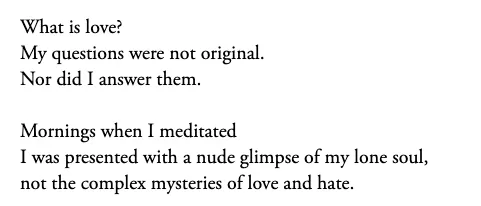 Example of Narrative Poem – The Odyssey
Narrative Poetry vs. Lyric Poetry
While both narrative and lyric poetry utilize poetic language, they differ significantly in their focus. Narrative poetry emphasizes the unfolding of events over time. A clear sequence of actions drives the poem forward, much like a novel or short story. Lyric poetry, on the other hand, captures a moment in time, prioritizing the expression of emotions and reflections. Think of a snapshot versus a film – the former encapsulates a single instant, while the latter depicts a series of events.
Narrative Poetry vs. Prose Poetry
Another distinction lies between narrative poetry and prose poetry. Prose poetry, as the name suggests, adopts the structure of prose, foregoing traditional line breaks. It’s often characterized by its brevity and focus on imagery and introspection, leaning more towards the lyrical than the narrative. Narrative poetry, while sometimes experimenting with form, retains a sense of poetic structure, whether through rhyme, rhythm, or stanza breaks.
Exploring the Types of Narrative Poetry
Over time, distinct types of narrative poetry have emerged, each with its own conventions and characteristics:
1. The Epic
Epics are long narrative poems celebrating heroic deeds and often intertwining mythical or historical events. They typically feature grand characters whose actions shape the fate of nations or civilizations.
2. The Ballad
Ballads, originating in folk traditions, are often set to music and tell stories of love, loss, or adventure. They typically employ a simple rhyme scheme and meter, lending themselves to memorization and oral transmission.
3. The Idyll
Idylls paint vivid pictures of rural life, often idealizing the simplicity and tranquility of the natural world. These poems evoke a sense of peace and nostalgia, celebrating the beauty of pastoral settings.
4. The Lay
Lays, popular in medieval times, are shorter narrative poems often focusing on themes of romance and chivalry. They typically feature intricate rhyme schemes and musicality, reflecting their origins in courtly entertainment.
5. The Novel in Verse
A more recent development, the novel in verse tells a complex, novel-length story through poetic language. This form offers writers the flexibility to experiment with structure and voice while maintaining the emotional depth of poetry. Examples include The Poet X by Elizabeth Acevedo and Inside Out & Back Again by Thanhha Lai.
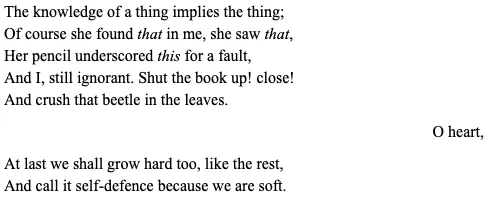 aurora leigh narrative poem example
Key Characteristics of Narrative Poetry
Several key characteristics define narrative poetry:
- Emphasis on Storytelling: A clear narrative arc, with a beginning, middle, and end, drives the poem.
- Experimental Language: Poets often utilize vivid imagery, figurative language, and unique word choices to create a captivating experience.
- Non-Linear Structure: While many narrative poems follow a chronological structure, some experiment with flashbacks, foreshadowing, and other non-linear techniques.
- Contemporaneous Forms: Modern narrative poetry embraces a wide range of forms, from traditional rhyme and meter to free verse.
- Internal Characterization: The poetic language allows for deep exploration of characters’ inner thoughts and emotions.
Examples of Narrative Poetry
From classic to contemporary, numerous examples showcase the power and versatility of narrative poetry. “The Rime of the Ancient Mariner” by Samuel Taylor Coleridge exemplifies the ballad form, while “Casey at the Bat” by Ernest Lawrence Thayer offers a lighter, more humorous take on narrative verse. Modern examples like “Litany in Which Certain Things are Crossed Out” by Richard Siken and “Trevor” by Ocean Vuong demonstrate the ongoing evolution of the genre.
Crafting Your Own Narrative Poem
Writing a narrative poem requires a blend of storytelling skills and poetic sensibility. Here are some tips to get you started:
- Immerse yourself in the genre: Read widely and analyze how different poets approach narrative structure and language.
- Consider form: Choose a form that complements your story and allows for creative expression.
- Outline briefly: While spontaneity is important, a basic outline can help shape your narrative.
- Focus on action: Engage the reader from the beginning with compelling action and vivid imagery.
- Embrace detail: Use specific, concrete details to build a rich and immersive world.
- Utilize repetition: Repeat key phrases or images to create rhythm and emphasis.
- Be patient: Crafting a compelling narrative poem takes time and revision.
Narrative poetry offers a powerful way to connect with readers on both an intellectual and emotional level. By blending the art of storytelling with the beauty of poetic language, poets can create truly memorable and impactful works.