
Canto poetry represents a fundamental structural element in the realm of epic and long-form narrative verse. Far more than just a simple division, the “canto” serves as a principal section, akin to a chapter in a novel, guiding readers through extended poetic journeys. Originating from the Italian word for “song” or “singing,” cantos were historically divisions meant for oral recitation or performance, each segment representing a distinct portion that could be sung or chanted. This structure is vital for managing the scope and complexity inherent in lengthy poetic narratives, providing poets with a framework to develop themes, advance plotlines, and explore intricate ideas across numerous verses. Understanding the canto unlocks deeper appreciation for some of the most ambitious and celebrated works in literary history, offering insights into the poet’s craft and the evolution of epic storytelling in verse.
Contents
What Defines a Canto?
At its core, a canto is a division of a long poem, typically used in epic or narrative poetry. While the exact length and internal structure of a canto can vary greatly depending on the poet and the specific work, its primary function remains consistent: to break down an extended narrative into manageable, cohesive units. Each canto usually focuses on a particular episode, theme, or stage within the larger story or argument presented by the poem.
Unlike stanzas, which are smaller, recurring units within a poem or even within a canto, a canto is a major organizational block. Think of stanzas as paragraphs and cantos as chapters. This division allows poets to:
- Structure Complex Narratives: Long poems often weave together multiple plot threads, characters, and philosophical concepts. Cantos provide clear breaks, helping both the poet organize their thoughts and the reader follow the progression.
- Control Pacing: The end of a canto offers a natural pause, allowing the poet to shift focus, introduce new elements, or create suspense before the next section begins.
- Highlight Thematic Development: Individual cantos can be dedicated to exploring specific themes or delving into the psyche of characters, contributing to the overall richness of the work.
- Aid Memorization and Performance: In eras when poetry was often recited or sung, dividing the work into cantos facilitated performance and retention by bards and audiences.
The specific meter, rhyme scheme, and stanza forms within a canto can vary, and indeed, often define the particular style of the poet or era. For instance, Dante’s Divine Comedy primarily uses terza rima (interlocking three-line stanzas) within its cantos, while Edmund Spenser’s The Faerie Queene employs the unique Spenserian stanza.
Historic Pillars of Canto Poetry
The canto structure has been employed by some of the most influential poets throughout history, particularly in works of epic scale. Examining these examples illustrates the versatility and power of this form.
Perhaps the most famous example is Dante Alighieri’s Divine Comedy (c. 1308-1320), divided into three Cantiche (Inferno, Purgatorio, Paradiso), each containing 33 cantos (plus an introductory canto in Inferno, totaling 100). Dante masterfully uses each canto 1 to propel his journey through the afterlife, describing encounters, theological discussions, and vividly rendered landscapes. The structure provides a clear path through the immense allegorical and narrative landscape.
Another monumental work using cantos is Edmund Spenser’s The Faerie Queene (1590, 1596), an allegorical epic poem celebrating Queen Elizabeth I and exploring various virtues. Though unfinished, the published parts are divided into books, and each book is further divided into numerous cantos. Spenser uses the canto to present discrete adventures of his knights, each episode contributing to the larger tapestry of chivalry, holiness, temperance, and other virtues.
Lord Byron famously utilized the canto form in his narrative poems like Childe Harold’s Pilgrimage (1812-1818) and Don Juan (1819-1824). Byron’s use is particularly notable in Don Juan, a satirical epic where the canto structure allows for digressions, changes in tone, and commentary on contemporary society. Each canto follows the adventures of the titular character but also provides Byron ample opportunity for witty asides and reflections, demonstrating the form’s flexibility beyond strict narrative progression. If you’re interested in lord byron famous works, exploring Don Juan‘s cantos is a must.
 A gathering of poets, reminiscent of the community often brought together by shared love for long poetic works.
In the 20th century, Ezra Pound’s The Cantos stands as one of the most ambitious and complex uses of the form. Extending over 116 sections labeled as cantos, Pound’s work is a vast, fragmented epic incorporating history, economics, literature, and personal experience. Unlike earlier narrative cantos, Pound’s are often dense with allusions and non-linear, pushing the boundaries of what the form could contain. Exploring popular long poems, Pound’s work represents a modern evolution of the canto structure.
The Function and Evolution of the Canto
The primary function of the canto has historically been organizational, providing a scaffold for lengthy poetic works. This remains true, but its application has evolved. While classical and Renaissance epics used cantos to structure linear narratives, Romantic and Modernist poets like Byron and Pound demonstrated that the canto could also contain digressions, multiple perspectives, and even non-linear or thematic arrangements.
The canto allows poets to build momentum while also providing readers with natural breaks. It manages the potential sprawl of an epic, making immense works like the love that moves the sun and the other stars (a famous phrase from Dante’s Paradiso) accessible section by section. For readers looking for easy to understand poems, navigating a full epic can be challenging, but approaching it canto by canto makes the task less daunting.
Cantos vs. Stanzas vs. Books
To fully grasp the canto, it’s helpful to differentiate it from related terms:
- Stanza: A smaller unit of lines within a poem, often with a set rhyme scheme and meter (like a quatrain or sonnet). Multiple stanzas make up a section of a poem, which could be part of a canto or a standalone short poem.
- Canto: A major division of a long poem, typically composed of multiple stanzas.
- Book: An even larger division, often containing multiple cantos. Epics like Spenser’s The Faerie Queene are divided into Books, which are then subdivided into Cantos.
Think of it as nested containers: Stanzas are in Cantos, and Cantos are sometimes grouped into Books within a single epic poem.
The Enduring Power of the Canto
Despite the decline of the traditional epic poem in contemporary literature, the concept of dividing long poetic works into distinct, significant sections persists. Modern long poems, though perhaps not explicitly labeled as “cantos,” often employ similar structural principles to guide the reader through extended explorations of themes, narratives, or ideas. The canto structure reminds us of the architectural aspect of poetry – that a poem can be a carefully constructed building of verse, with distinct rooms and hallways that together form a grand design.
 Engaging with poetry, whether in short form or lengthy cantos, often involves shared experience and interpretation.
The study of canto poetry is essential for anyone wishing to understand the history and development of long-form verse. It provides insight into the methods poets have used for centuries to tackle subjects of immense scope and complexity, creating works that continue to resonate and challenge readers.
Conclusion
Canto poetry, as a structural framework, has played a pivotal role in shaping some of the most important and enduring works in the poetic canon. From the divine journeys of Dante to the sprawling modernism of Pound, the canto has provided poets with the means to organize, pace, and deliver complex narratives and thematic explorations on a grand scale. It is a testament to the ingenuity of poets in crafting structures that not only contain their vision but also guide the reader through vast imaginative landscapes. Recognizing the function and history of the canto enriches our reading experience, allowing us to appreciate the intricate architecture beneath the surface of these monumental poetic achievements.
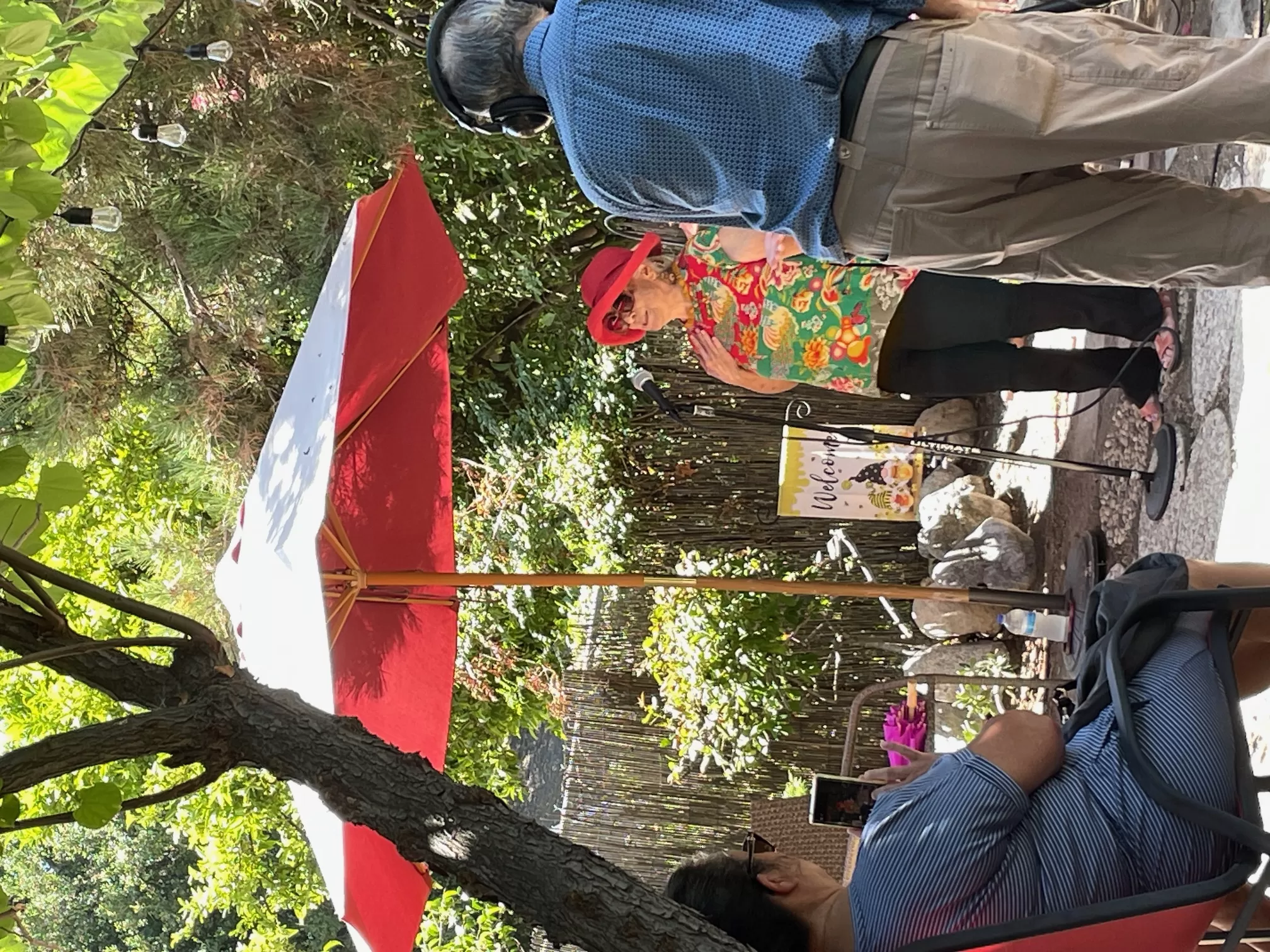 The act of sharing or performing poetry highlights the segmented nature that structures like the canto facilitate.