
Classical Mexican music is a vibrant and rich field, deeply influenced by the nation’s diverse cultural heritage, from indigenous rhythms to European traditions and folk melodies. It encompasses a wide range of styles, composers, and performers who have left an indelible mark on the global stage. Far from being a niche genre, classical Mexican music has produced masterpieces that are celebrated worldwide and artists who command international acclaim. This article delves into the contributions of some key figures who embody the spirit and excellence of classical Mexican music.
Contents
The unique sound of classical Mexican music often weaves together complex orchestral textures with the spirited energy of traditional folk forms like mariachi, son, and huapango. This fusion creates music that is both sophisticated and profoundly evocative, capable of expressing a wide spectrum of human emotion, from triumphant celebration to deep nostalgia. Understanding the artists behind these works provides valuable insight into the evolution and character of this captivating musical tradition.
Pioneering Composers Shaping Mexican Sound
The landscape of classical Mexican music has been significantly shaped by composers who drew inspiration from their homeland, integrating local sounds and narratives into classical structures.
Arturo Marquez
A composer whose work is synonymous with the infusion of Latin rhythms into orchestral music is Arturo Marquez. Born into a family steeped in music – his father was a mariachi musician and his grandfather a folk musician – Marquez naturally incorporates the forms and styles of Mexico. His profound connection to Latin ballroom dancing is particularly evident, translating the dynamic movement and infectious rhythms into compositions that compel listeners to feel the urge to sway and tap their feet. A notable example is his Conga del Fuego, a fiery piece inspired by the Cuban carnival dance, which brilliantly captures the congo’s signature imperative rhythm. Marquez’s ability to blend classical technique with popular Latin American forms has made him a celebrated figure in contemporary classical Mexican music.
Enrico Chapela
Based in Mexico City, Enrico Chapela stands out for his eclectic approach, mixing traditional influences from various eras and cultures while often employing programmatic elements to tell stories through his music. His work has garnered international attention, leading to commissions from prestigious institutions like the LA Philharmonic and Carnegie Hall. Interestingly, Chapela’s background also includes playing guitar in a heavy metal band, an experience that perhaps informs the unique energy and unexpected turns found in his classical compositions. His piece Inguesu, a vivid musical depiction of a historic soccer match between Mexico and Brazil, exemplifies his innovative narrative style and bold instrumentation within classical Mexican music.
Jose Pablo Moncayo
Considered one of the most important composers in Mexico’s classical music history, Jose Pablo Moncayo is best known for his iconic Huapango. This beloved work is a cornerstone of classical Mexican music repertoire, expertly evoking complex moods ranging from festive jubilation to profound homesickness. Moncayo based Huapango on traditional dance music he encountered in his native Mexico, demonstrating the rich potential of integrating folk traditions into symphonic works. The piece remains a powerful symbol of Mexican national identity and a testament to Moncayo’s mastery in translating cultural sounds into orchestral language. [internal_links]
World-Renowned Mexican Performers
Beyond composition, Mexican artists have achieved global recognition as exceptional performers, gracing the stages of the world’s leading opera houses and concert halls.
Ailyn Perez
Born in Chicago to Mexican immigrants, Ailyn Perez chose to pursue her passion for opera singing, a decision for which the classical world is grateful. She has established herself as a leading soprano, making significant debuts at prestigious venues like the Royal Opera and the Metropolitan Opera. Perez’s career highlights include notable roles such as Violetta in La traviata and Micaëla in Carmen. Her recent historic casting as the first Latina in the title role of Thaïs further solidifies her status as a groundbreaking figure in opera and a proud representative of classical Mexican music artistry on the international stage.
Rolando Villazón
A tenor with an unexpectedly serendipitous entry into the classical music world, Rolando Villazón was discovered while singing in the shower. This chance encounter led him to vocal studies and a stellar career performing with top-tier companies and festivals globally. Villazón’s charisma and vocal talent have made him a favorite among audiences, showcasing the caliber of artists emerging from the sphere of classical Mexican music. He has notably performed traditional Spanish carols, demonstrating his connection to the broader Iberian and Latin American musical heritage.
Javier Camarena
Javier Camarena, hailing from Veracruz, Mexico, supported his early musical studies by singing in a cover band before rising to become one of the most sought-after tenors in the opera world. His Metropolitan Opera debut in 2011 marked the beginning of a remarkable ascent, culminating in a historic moment in 2014 when he broke an 80-year-old tradition at the Met by performing an encore onstage during La Cenerentola. This daring move cemented his reputation and earned him the moniker “King of The High Cs,” highlighting the extraordinary vocal prowess present in performers from the classical Mexican music tradition.
Carlos Miguel Prieto
Carlos Miguel Prieto is a highly respected conductor whose career bridges continents and musical cultures. Despite initially pursuing engineering and business studies at Princeton and Harvard, his profound passion for music led him back to the podium. Prieto has become a sought-after conductor worldwide, celebrated for his ability to connect with both orchestras and audiences. As the music director of the Orquesta Sinfónica Nacional de México, Mexico’s foremost orchestra, he plays a crucial role in championing classical Mexican music. Named Musical America’s 2019 Conductor of the Year, Prieto’s leadership is vital in bringing Mexican compositions to global prominence.
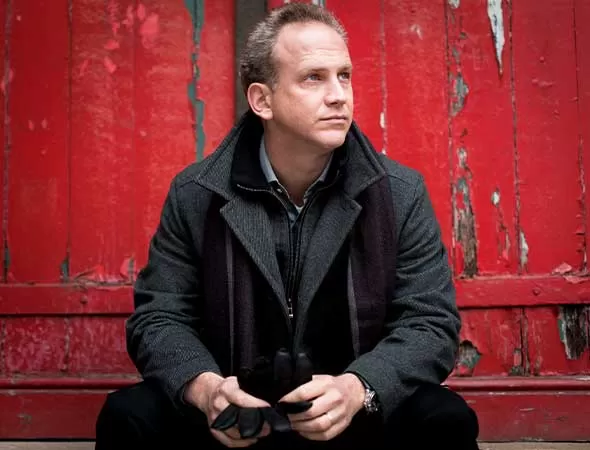 Portrait of conductor Carlos Miguel Prieto, a prominent figure in classical Mexican music.
Alondra de la Parra
A conductor who has generated considerable buzz, Alondra de la Parra is a bold figure known for championing new composers, including those within classical Mexican music. At the young age of 23, she founded the Philharmonic Orchestra of the Americas specifically to promote works by Mexican composers, releasing critically acclaimed albums like Mi alma Mexicana. De la Parra has made history in the male-dominated field of conducting and currently serves as the music director of the Queensland Symphony in Australia, the first woman to hold this principal conducting post. Her energetic performances, such as conducting Márquez’s Danzón No. 2, showcase her passion for the repertoire and her dynamic presence on the podium. [internal_links]
Conclusion
The world of classical Mexican music is rich with exceptional talent, from composers who blend tradition with innovation to performers who captivate audiences on the grandest stages. Figures like Arturo Marquez, Jose Pablo Moncayo, Ailyn Perez, Rolando Villazón, Javier Camarena, Carlos Miguel Prieto, and Alondra de la Parra represent just a snapshot of the profound impact Mexican artists have had on classical music globally. Their contributions continue to enrich the repertoire, bring unique cultural perspectives to the forefront, and inspire new generations. Exploring classical Mexican music offers a rewarding journey into a soundscape that is both deeply rooted in history and vibrantly alive today.