
The human heart often finds its deepest expression through intertwined art forms. Among the most powerful is the triumvirate of love, music, and poetry. Each on its own possesses immense power, but when they converge, they create a resonance that speaks directly to the soul’s most profound experiences. This exploration delves into how poets throughout history, and into the modern era, have captured the complex dance between love and music, weaving them into verses that echo the rhythms of the heart.
Contents
Love, in its myriad forms – from the tender whisper of affection to the grand symphony of passion and the melancholic cadence of loss – finds a natural companion in music. Music provides the emotional architecture, the non-verbal language that can convey the nuances of feeling that words alone sometimes struggle to grasp. Poetry, then, becomes the bridge, using linguistic craft to articulate and deepen the emotional landscape painted by this confluence.
The Musicality of Love Poems
Poetry itself has an inherent musicality, a rhythm and flow that predates written forms, rooted in oral traditions and song. Love poems, perhaps more than any other genre, often lean into this innate musicality. The choice of meter, the pattern of rhymes, the use of assonance and alliteration – all contribute to a sonic texture that mirrors the feeling being described. A sonnet’s structured elegance can feel like a classical piece, while free verse capturing fleeting romance might resonate with the improvisational feel of jazz. Poets deliberately orchestrate their language to create an emotional effect akin to a musical composition. Consider the delicate rhythm used to describe a lover’s touch or the jarring, dissonant sounds employed to convey heartbreak. This deliberate crafting ensures that a love poem isn’t just read, but felt, almost heard internally.
 FunnyThe connection between sound and sense is particularly vital in love poetry. The very words chosen can evoke sounds – a sigh, a heartbeat, the rustling of leaves, the silence shared between two people. When music is explicitly brought into the poem, it often serves as a powerful metaphor. The harmony of a successful relationship might be compared to a perfect chord, while discord or misunderstanding could be a jarring note or a broken melody. The beloved’s voice is frequently described in musical terms, its timbre and tone capable of stirring the deepest emotions, much like a favorite song. (nice short love poems)
When Love Songs Become Poetry
Many songwriters are, in essence, modern poets. The lyrics of love songs, from ancient ballads to contemporary pop hits, often employ poetic devices and emotional depth that rivals written verse. Exploring lyricism in the context of [love music poem] reveals a rich vein of expression. These aren’t just words set to music; they are often crafted with meter, rhyme scheme, metaphor, and narrative structure to tell stories of love, longing, and connection. The popularity and enduring power of many love songs attest to their effectiveness as a form of accessible poetry, resonating with millions who may not typically read traditional verse but find solace and understanding in lyrics.
Analyzing the lyrics of iconic love songs can offer insights into universal themes and modern poetic sensibilities. How do songwriters use repetition, chorus structure, and instrumental breaks to build emotional intensity? These techniques are direct parallels to poetic forms and devices used for similar effects in written poems. The boundary between a [love music poem] found in an anthology and the heartfelt lyrics of a classic ballad is often blurred, both striving to capture the ineffable feeling of love through carefully chosen words and rhythm.
Themes and Variations on Love and Music
Poets explore the intersection of love and music through various thematic lenses:
- Music as the Soundtrack of Love: Poems set scenes of romance at concerts, dances, or simply listening to music together, where the shared sonic experience deepens the emotional bond.
- The Beloved’s Voice as Music: A recurring motif where the lover’s speech, laughter, or singing is the most beautiful music in the world.
- Music as a Metaphor for Relationship Dynamics: Comparing the give-and-take, the harmony and occasional dissonance of love, to musical composition and performance.
- Music Evoking Memory of Love: A tune heard years later transporting the speaker back to a moment of love, sweet or sorrowful.
- Love Songs as Personal Narratives: Poems reflecting on the meaning of specific love songs in the context of the speaker’s own romantic history.
These themes highlight the profound connection between auditory experience and emotional attachment. A shared song can become an anchor for a relationship, a mnemonic device for recalling feelings, or a mirror reflecting the current state of the heart. (classical love poems)
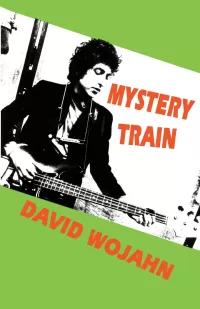 Wojahn
Exploring poets who engage with music offers a rich reading experience. While some poets write about musicians or specific pieces, others integrate musical concepts or the experience of listening directly into their exploration of love. From formal poems employing strict meter to free verse that captures the flow of sound, the methods are as varied as music itself. Poets draw inspiration not just from classical compositions but also from blues, jazz, rock, and folk, recognizing that love finds its voice across the entire spectrum of human musical creation. The challenge lies in translating the non-verbal power of music into evocative language that resonates with the reader’s own experience of love and sound.
Crafting the Love Music Poem
For writers, combining the concepts of love and music requires a keen ear for both language and sound. It involves understanding how rhythm affects mood, how certain words resonate together, and how musical structures can inform poetic form. It might mean thinking about rhyme not just as a matching sound, but as a harmonic conclusion or a recurring beat. It could involve using repetition like a musical refrain or varying line length to create crescendos and decrescendos. (words that rhyme with heart for a poem) The goal is to create a poem that doesn’t just tell us about love and music, but allows us to feel their combined effect, much like listening to a moving song with someone you care about.
This requires balancing the abstract nature of feeling and sound with concrete imagery and specific detail. What does the music look like in the poem? What does love sound like? By paying attention to sensory details and using strong verbs and evocative adjectives, poets can make the intangible tangible, allowing the reader to step into the poem’s world and experience the synergy between love and music for themselves. (famous lengthy poems)
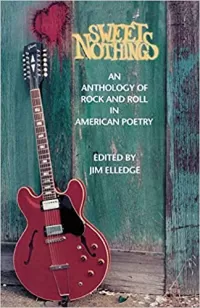 Sweet
Sweet
The enduring appeal of the [love music poem] lies in its ability to tap into two of humanity’s most universal experiences simultaneously. It recognizes that the heart’s rhythm is a kind of music, and that love often feels like finding the perfect harmony. Whether analyzing classic verses or encountering contemporary pieces, exploring this theme enriches our understanding of both poetry and the complex emotions that drive us.
In conclusion, the love music poem is not merely a niche category but a central expression of human emotion. It embodies the fundamental connection between our internal rhythms, our deepest affections, and the external world of sound. Through careful analysis and heartfelt creation, we can continue to explore this powerful intersection, discovering new ways that words can bloom into poetry when set to the timeless melody of love. (quilting poems)