
When considering the titans of classical literature, the name Homer invariably stands at the forefront. Often credited as the author of the monumental epics The Iliad and The Odyssey, Homer’s contribution fundamentally shaped Western literary tradition, particularly the art of epic poetry. His works are not merely ancient stories but are foundational texts demonstrating the immense power and scope of poetry. Studying the poetry of Homer offers profound insights into the form, function, and cultural impact of verse in the define classical era.
While the historical details of Homer’s life remain shrouded in mystery – theories range from him being a single blind poet to a collective name for multiple storytellers – his influence is undeniable. The “Homeric Question” continues to be debated by scholars, but the focus for lovers of verse rightfully remains on the powerful body of work attributed to him. These narratives, composed in dactylic hexameter, reveal a sophisticated understanding of human nature, divine intervention, and the intricate weave of fate. They represent perhaps the most significant examples of narrative poetry from antiquity.
 Likeness of Homer, the ancient Greek poet
The poems likely originated from a long tradition of oral storytelling. This origin is reflected in their structure, use of formulaic phrases, and repetitive elements, which served as mnemonic devices for the bards who would perform these vast narratives. This oral heritage imbues the homer poetry with a vibrant, rhythmic quality that still resonates even in translation. They capture the grandeur of heroic deeds and the raw emotion of suffering and loss with unparalleled vividness.
The Iliad, set during the final weeks of the Trojan War, focuses on the rage of Achilles and its devastating consequences. It is a profound exploration of honor, glory, mortality, and the tragic cost of conflict. The poem’s intense psychological portraits and vivid battle scenes showcase Homer’s mastery of poetic description.
The Odyssey, a sequel of sorts, chronicles the ten-year journey of the hero Odysseus as he attempts to return home after the war, facing mythical creatures and divine obstacles. This epic delves into themes of cunning, perseverance, loyalty, and the yearning for home and identity. Both works are rich tapestries woven with complex characters, dramatic tension, and enduring universal themes.
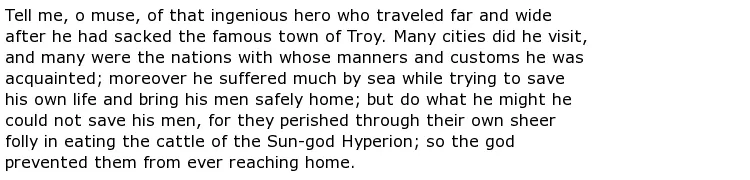
 Ancient text representing Homeric poetry
The legacy of Homer’s poetry extends far beyond ancient Greece. His narratives, characters, and poetic techniques provided a blueprint for subsequent epic poets, influencing works from Virgil’s Aeneid – a key example of aeneid poetry in translation – to Milton’s Paradise Lost, and countless others. The profound artistic and philosophical depth of Homer’s verse ensures its continued study and appreciation, proving that these ancient words still bloom with relevance and power today.
 Parchment scroll symbolizing classical Greek epic
Whether viewed as historical accounts, mythological tales, or supreme examples of narrative art, the poetry attributed to Homer remains a cornerstone of world literature. Its ability to capture the human condition in all its complexity ensures its place as a timeless and influential force in the world of poetry.