
Easter is a season steeped in meaning, a time that resonates deeply with themes of renewal, hope, sacrifice, and transformation. Across centuries, poets have found in this period a rich wellspring of inspiration, capturing its multifaceted significance – from the solemnity of Good Friday to the jubilant celebration of resurrection and the vibrant awakening of spring. Exploring poetry easter reveals a diverse tapestry of human emotion and spiritual reflection, showcasing how words bloom to capture the essence of this pivotal time. It is a theme that transcends mere religious observance, speaking to universal experiences of loss, anticipation, and the perennial promise of new beginnings.
Contents
Whether focusing on the biblical narrative or the natural world’s rebirth, Easter poetry offers profound insights into the human condition. It delves into the interplay between darkness and light, death and life, despair and unwavering faith. Understanding how poets approach these complex ideas provides a deeper appreciation not only for the art form itself but also for the enduring power of the Easter message in both sacred and secular contexts.
The Sacred Heart of Easter Poetry
At the core of much poetry easter lies the profound narrative of Christ’s passion, death, and resurrection. This story provides poets with powerful archetypes and symbols – the cross, the tomb, the stone rolled away, the empty grave. Poets explore themes of sacrifice and redemption, wrestling with the theological weight of the events. This often involves contemplation of suffering and the ultimate triumph over death, offering hope for spiritual renewal and eternal life.
Such poems frequently employ imagery drawn directly from scripture, creating vivid portrayals of Gethsemane, the Via Dolorosa, and the morning of the resurrection. The language can range from reverent and devotional to deeply personal and reflective, as poets grapple with the implications of these events for individual faith and the broader human experience. The focus here is often on the transformative power of belief and the promise inherent in the resurrection.
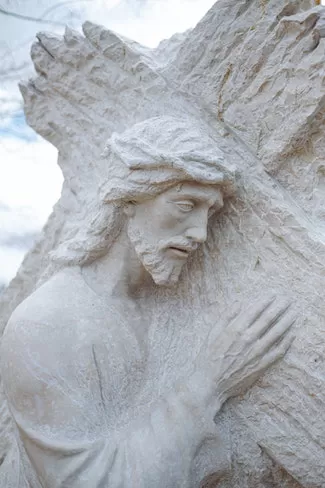 Easter and Jesus Christ
Easter as a Symbol of Spring and Renewal
Beyond its religious connotations, Easter coincides with the arrival of spring in the Northern Hemisphere, making it a potent symbol of natural renewal and rebirth. This connection provides another fertile ground for poetry easter. Poets often weave together the spiritual and the seasonal, using images of blooming flowers, returning birds, and warming light to mirror the themes of resurrection and new life.
The transition from the barrenness of winter to the vibrancy of spring serves as a powerful metaphor for spiritual transformation. The shedding of the old, dormant state and the bursting forth of green shoots and blossoms echo the movement from death to life central to the Easter story. This aspect of Easter poetry speaks to a more universal human experience – the cyclical nature of life, the resilience of the natural world, and the promise of fresh starts after periods of dormancy or hardship. Poets might celebrate the simple joys of the season, the beauty of the natural world, or use spring imagery to explore deeper philosophical ideas about change, growth, and the interconnectedness of life. For those interested in diverse poetic styles, exploring the range of topics a poet tackles, from seasonal themes to personal reflection, can be insightful, much like considering the various facets presented in collections featuring, for example, [robert frost best poems].
Key Themes and Imagery in Easter Poetry
Effective poetry easter often relies on compelling themes and vivid imagery. Common themes include:
- Sacrifice and Atonement: Focusing on the suffering and death of Christ and its redemptive significance.
- Resurrection and Hope: Celebrating the triumph over death and the promise of eternal life.
- Renewal and Rebirth: Connecting the spiritual themes to the natural world’s awakening in spring.
- Faith and Doubt: Exploring the personal struggle with belief and the journey towards understanding.
- Light and Darkness: Juxtaposing the darkness of death and despair with the light of resurrection and hope.
Imagery frequently used includes:
- The Cross: Symbol of suffering and sacrifice.
- The Empty Tomb: Symbol of resurrection and victory over death.
- Stone Rolled Away: Represents obstacles overcome and the breaking of boundaries.
- Lilies: Traditionally associated with purity, resurrection, and hope.
- Spring Blossoms/Greenery: Symbols of new life, growth, and renewal.
- Dawn/Sunrise: Represents the morning of the resurrection and the arrival of light after darkness.
Analyzing how different poets utilize these elements reveals their unique perspectives and artistic approaches. The choice of specific symbols and how they are developed throughout a poem contributes significantly to its emotional impact and thematic depth.
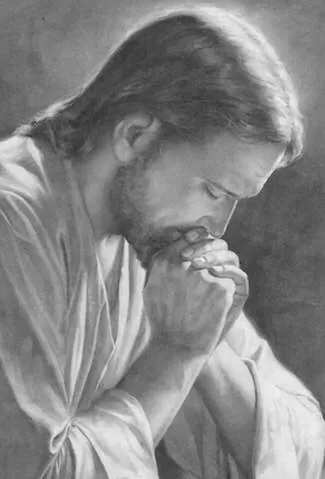 prayer
Crafting and Interpreting Easter Poetry
Writing poetry easter requires not only a connection to the themes but also a mastery of poetic craft. Poets utilize various techniques to evoke emotion and convey meaning:
- Metaphor and Simile: Comparing spiritual or seasonal concepts to tangible experiences (e.g., comparing resurrection to a seed breaking ground).
- Symbolism: Employing established Easter/Spring symbols to add layers of meaning.
- Imagery: Creating vivid sensory details that allow readers to visualize the scenes and feel the emotions.
- Form and Structure: The choice of form (sonnet, free verse, hymn-like structure) can reinforce the theme and tone. A formal structure might emphasize solemnity or tradition, while free verse could allow for more personal and direct expression.
Interpreting Easter poetry involves looking beyond the literal meaning to understand the symbolic and emotional layers. Considering the historical context, the poet’s background, and the specific language choices are crucial steps in uncovering the deeper messages embedded within the work. Reading different interpretations or analyses of famous poems can also broaden one’s understanding and reveal nuances that might initially be missed. Delving into the nuances of poetic technique is essential for any serious study of the art form, much like appreciating the distinct qualities found across a poet’s complete works, perhaps by exploring collections like [robert frost poems].
Understanding the interplay between form and content is vital. How a poet chooses to structure their lines, their rhyme scheme (or lack thereof), and their meter all contribute to the reader’s experience and the poem’s overall effect. A poem about the resurrection might use rising meter to convey triumph, while one about the crucifixion might use a slower, more somber rhythm.
 Art by Simon Dewey
Engaging with the Emotional Resonance
One of the primary goals of poetry easter is to evoke emotion. These poems can stir feelings of solemnity, grief, hope, joy, and wonder. They invite readers to reflect on their own experiences of loss and renewal, faith and doubt. The best Easter poems create a connection that transcends the purely intellectual, touching the heart and the spirit.
The emotional value comes from the poet’s ability to make the universal themes personal and relatable. Whether through a tender reflection on sacrifice or a triumphant declaration of hope, the language and imagery are crafted to resonate with the reader’s own emotional landscape. This engagement is what makes poetry a powerful vehicle for exploring complex themes like those associated with Easter. Appreciating the emotional depth often requires reading a poem multiple times, allowing its layers to unfold. Collections like [most famous robert frost poems] are often revisited for their profound emotional impact, demonstrating the enduring power of well-crafted verse.
Sharing and discussing Easter poetry can further enhance this emotional connection. Hearing how others respond to a particular line or image can reveal new interpretations and deepen collective understanding. This fosters a sense of community among poetry enthusiasts, united by their shared appreciation for the art form and its capacity to illuminate significant moments and themes.
 image from Church of Jesus Christ of Latter-day Saints
The Legacy of Easter in Verse
From classical hymns and epic poems to modern free verse and contemplative lyrics, Easter has consistently inspired poets. Its themes are universal and timeless, ensuring its continued relevance in the literary world. Exploring the legacy of poetry easter involves looking at works from different eras and cultures, seeing how the core themes are reinterpreted through varying artistic sensibilities and historical contexts.
This ongoing dialogue across time demonstrates the enduring power of the Easter narrative and the arrival of spring as sources of poetic inspiration. Each generation of poets brings fresh perspectives, reflecting their own times while connecting to the fundamental human experiences that Easter represents. This rich tradition ensures that the art of poetry continues to bloom, offering new insights into this significant season year after year. Engaging with a poet’s body of work over time can reveal the evolution of their themes and techniques, similar to how exploring collections like [robert frost short poems] provides insight into concise yet impactful verse.
Ultimately, poetry easter serves as a testament to the power of words to capture the profound, the hopeful, and the transformative aspects of life and faith. It invites readers to pause, reflect, and connect with the enduring messages of resurrection and renewal that define this special time.