
Easter is a time of profound significance, marked by themes of sacrifice, death, and ultimately, triumphant resurrection and renewal. It’s a period that has inspired countless poets across centuries, capturing the deep spiritual meaning, the stark solemnity of Good Friday, and the joyful promise of Easter Sunday. From classic devotional works to more modern reflections, poetry offers a powerful lens through which to explore the complex emotions and ideas associated with this season.
Contents
In the realm of poetry, Easter provides rich ground for examining human faith, the cyclical nature of life and death, and the beauty of spring’s arrival alongside the spiritual rebirth. Exploring famous easter poems allows us to connect with these timeless themes through the unique voices and perspectives of famous authors of poetry. Let’s delve into some notable examples that capture the essence of the Easter period.
The Shadow of Good Friday
The days leading up to Easter Sunday, particularly Good Friday, are steeped in contemplation of suffering and sacrifice. Poets have often sought to capture the weight and gravity of this time.
John Donne, a master of metaphysical poetry, brings intense personal reflection to the crucifixion in ‘Good Friday 1613, Riding Westward’. The poem explores the paradox of his physical journey west clashing with his soul’s spiritual direction towards the East (symbolizing Christ and resurrection), meditating on the sight of the crucified Christ that his soul yearns to behold but feels unworthy of.
Hence is’t, that I am carryed towards the West
This day, when my Soules forme bends toward the East.
There I should see a Sunne, by rising set,
And by that setting endlesse day beget
Donne’s poem powerfully contrasts the outward movement with the inward spiritual struggle, highlighting the profound personal impact of the Easter story.
Thomas Hardy offers a different perspective in ‘Unkept Good Fridays’. Written much later, it reflects on the countless instances of human suffering and injustice throughout history, suggesting that the ‘Good Friday’ experience is not unique to one event but resonates through the ages for all who have been persecuted or slain by rulers.
There are many more Good Fridays
Than this, if we but knew
The names, and could relate them,
Of men whom rulers slew
Hardy’s poem broadens the scope, inviting reflection on universal themes of oppression and martyrdom that echo the central event of Good Friday.
 Penguin Classics edition of John Donne's poems
The Quiet Waiting of Easter Saturday
Easter Saturday represents a period of stillness and anticipation between the sorrow of Good Friday and the joy of Easter Sunday. Christina Rossetti’s ‘Easter Even’ captures this moment of waiting, focusing on the rest Christ finds in the tomb before the promise of resurrection.
Lay Him in the garden-rock to rest;
Rest you the Sabbath length:
The Sun that went down crimson in the west
Shall rise renewed in strength.
Rossetti’s poem evokes the quiet solemnity of the day, linking the natural cycle of the setting and rising sun to the spiritual promise of renewal that awaits. It’s a moment of calm before the dawn of Easter Day.
The Dawn of Easter Sunday
Easter Sunday is the culmination of the week, celebrating resurrection, hope, and the arrival of spring. Many popular poem authors have captured this sense of new life, both spiritual and natural.
George Herbert, a poet renowned for his devotional works, wrote several poems for Easter. His poem simply titled ‘Easter’ emphasizes the unique significance of this day, asserting that all other days are merely preparatory compared to the eternal “one” day of Easter’s triumph.
Can there be any day but this,
Though many sunnes to shine endeavour?
We count three hundred, but we misse:
There is but one, and that one ever.
Herbert’s work often blends simple language with profound theological insight, and ‘Easter’ is a prime example of his focus on the centrality of the resurrection.
A. E. Housman’s ‘Loveliest of Trees’ from A Shropshire Lad offers a beautiful, more secular take on Eastertide, linking the religious calendar with the natural world’s awakening in spring. While not overtly religious, the image of the cherry tree “Wearing white for Eastertide” perfectly captures the visual association of Easter with blooming nature and renewal.
Loveliest of trees, the cherry now
Is hung with bloom along the bough,
And stands about the woodland ride
Wearing white for Eastertide.
This poem resonates with the theme of rebirth inherent in Easter, viewed through the lens of the seasonal change.
Joyce Kilmer’s short, lyrical poem ‘Easter’ also connects the spiritual joy with the natural world, using vivid imagery of a butterfly and singing earth to convey the lightness and happiness of the day.
The air is like a butterfly
With frail blue wings.
The happy earth looks at the sky
And sings.
This brief piece encapsulates the feeling of joyful liberation and vibrant life that characterizes Easter morning.
 George Herbert's poem 'Easter Wings' illustration
Oscar Wilde’s sonnet ‘Easter Day’ offers a different focus, describing a grand religious procession, likely depicting the Pope, highlighting the ceremonial and institutional aspects of the holiday.
Priest-like, he wore a robe more white than foam,
And, king-like, swathed himself in royal red,
Three crowns of gold rose high upon his head:
In splendour and in light the Pope passed home.
This poem contrasts with more intimate or nature-focused Easter poems, centering instead on the power and spectacle of the church’s observance.
Finally, while not strictly about the religious event itself, W. B. Yeats’s ‘Easter, 1916’ uses the historical event of the Easter Rising in Dublin to reflect on sacrifice, transformation, and the cost of conviction. It uses the name of the holiday as a backdrop for a meditation on political upheaval and the hardening effect of passionate causes.
Too long a sacrifice
Can make a stone of the heart.
O when may it suffice?
That is Heaven’s part, our part
To murmur name upon name,
As a mother names her child
When sleep at last has come
On limbs that had run wild.
Yeats’s poem is a powerful example of how historical events aligning with significant dates can inherit some of their thematic weight, exploring sacrifice and change, albeit in a nationalistic context. Some best poems of 20th century capture historical moments in this way.
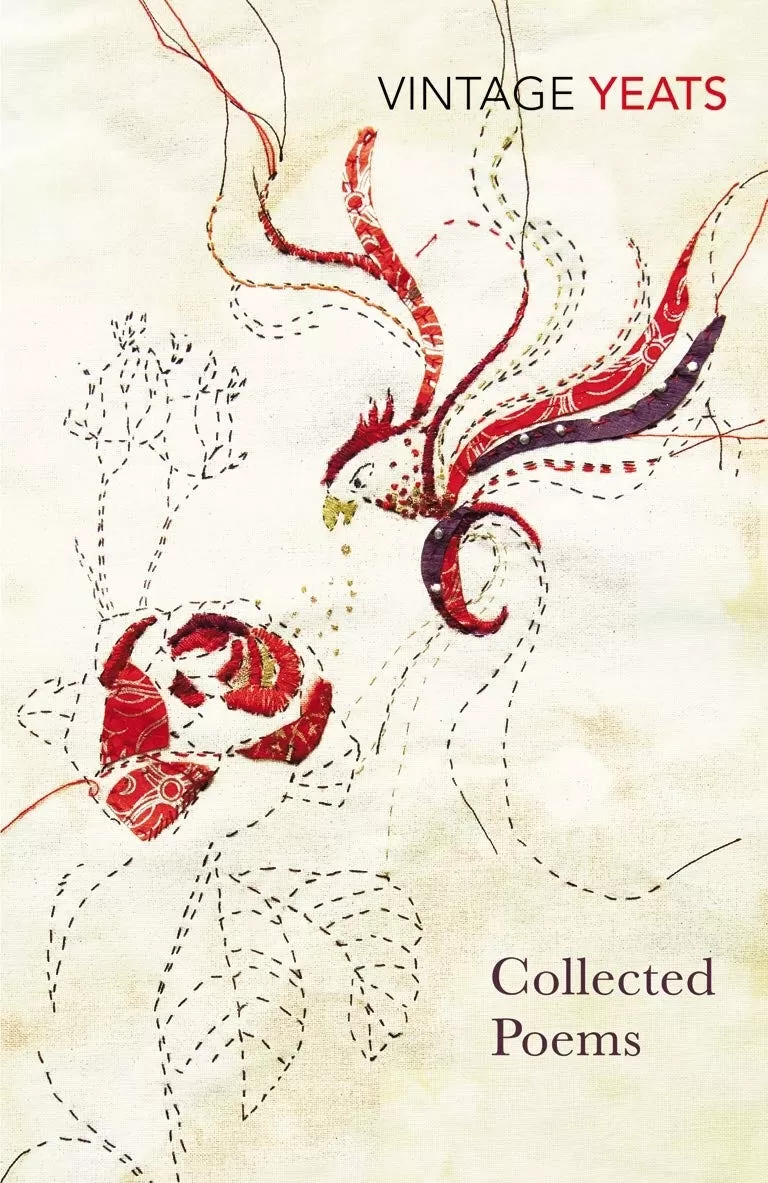 Cover of a collection of poems by W. B. Yeats
An Alternative View
Steve Turner’s poem ‘Christmas is Really for the Children’ offers a stark, modern contrast to the traditional views of Easter. It highlights the often-sanitized popular perception of Easter versus the violent reality of its origins, humorously noting that its appeal to children largely depends on chocolate eggs.
Easter is not really
for the children
unless accompanied by
a cream filled egg.
It has whips, blood, nails,
a spear and allegations
of body snatching.
This poem serves as a reminder of the intense, perhaps uncomfortable, historical narrative behind the holiday, offering a more grounded or even cynical perspective compared to the celebratory or devout tones of others.
 Cover of a book featuring poems by Steve Turner
The Enduring Power of Easter in Poetry
From ancient epics that begin during Easter Week to modern verses reflecting on sacrifice, renewal, and the complexities of faith, famous poets of all time have found fertile ground in the themes of Easter. Whether exploring deep theological mysteries, connecting spiritual renewal with the awakening of nature, or using the historical date as a backdrop for other human struggles, Easter poetry offers a rich tapestry of human experience and belief.
These poems, spanning different eras and styles, demonstrate the enduring power of this season to inspire reflection, evoke powerful emotions, and provide opportunities for contemplating some of life’s most fundamental questions about suffering, hope, death, and rebirth. Exploring these famous Easter poems can deepen our appreciation not only for the holiday itself but also for the profound ways in which poetry helps us understand the human condition.