
Easter stands as the cornerstone of the Christian faith, a season steeped in profound theological significance, emotional depth, and triumphant hope. It commemorates the Passion, crucifixion, and glorious resurrection of Jesus Christ, marking the victory of light over darkness, life over death, and hope over despair. Within the sacred space of a church service or program, every element contributes to conveying this powerful narrative and its enduring message to the congregation. Among these elements, poetry holds a unique and cherished place.
Contents
Poetry, with its ability to distill complex emotions and theological concepts into resonant language and evocative imagery, serves as a powerful medium for reflection, worship, and celebration during the Easter season. Finding the right Easter Poems For Church can elevate a service, deepen understanding, and touch the hearts of worshippers in ways that prose alone might not. These poems can be used in various capacities: as readings during the service, printed in bulletins, incorporated into sermons, performed by individuals or choirs, or used for personal reflection.
Choosing suitable poetry involves considering themes, tone, and accessibility for the congregation. Poems intended for a church setting often focus on the core events of Holy Week and Easter Sunday.
Essential Themes in Easter Church Poetry
Poems suitable for a church setting during Easter typically explore themes central to the Christian understanding of the holiday:
- Sacrifice and Suffering: Reflecting on Jesus’ journey to the cross, the pain endured, and the immense sacrifice made for humanity.
- Good Friday’s Weight: Capturing the solemnity, grief, and apparent defeat felt on the day of the crucifixion.
- The Silence of Saturday: Meditating on the period between death and resurrection, a time of waiting, uncertainty, and quiet faith.
- The Triumph of Resurrection: Celebrating the empty tomb, the defeat of death, and the glorious rising of Christ, the central event of Easter Sunday.
- Hope and New Life: Emphasizing the promise of spiritual rebirth, redemption, and eternal life offered through Christ’s resurrection.
- Victory Over Sin and Death: Proclaiming the power of the resurrection to overcome the fundamental challenges of human existence.
- Love Divine: Focusing on God’s unconditional love demonstrated through the sending and sacrifice of His Son.
These themes provide rich ground for poets to explore the multifaceted meaning of Easter. Poems that resonate most deeply often manage to connect the historical events with the present-day faith and experience of the believer.
The Poetic Journey from Cross to Crown
Many powerful church easter poems follow the narrative arc of Holy Week, moving from the solemnity of the Passion to the exultation of the Resurrection.
Poems reflecting on Good Friday often employ vivid imagery of suffering, darkness, and abandonment, yet often foreshadow the ultimate victory. They invite contemplation of the pain, the nails, the crown of thorns, and the final breath, reminding the congregation of the cost of salvation.
Moving towards Easter Sunday, the tone shifts dramatically. Poems about the resurrection burst with light, joy, and energy. They speak of the stone rolled away, the empty grave clothes, the appearances of the risen Christ, and the dawning of a new era. The language becomes celebratory, using metaphors of breaking chains, shedding winter coats for spring blooms, and the sun rising after the longest night. These poems are often the centerpiece of Easter Sunday services, serving as a poetic anthem of faith.
Choosing Poems for Your Church Program
Selecting the right church program easter poems requires careful consideration of the specific context:
- Service Focus: Is the service primarily reflective, penitential (like a Good Friday service), or celebratory (Easter Sunday)? The poem’s tone should match.
- Congregation: Consider the age range, background, and familiarity with poetic language. Some classic poems might require brief introduction or explanation.
- Length: For a service, shorter poems or excerpts are often more impactful than very long ones. For a program or bulletin, longer poems can be included for reading. Check out resources dedicated to finding a [short easter poem for church].
- Theological Accuracy: Ensure the poem aligns with the church’s doctrinal beliefs regarding the Easter events.
- Emotional Resonance: The best poems connect intellectually and emotionally, stirring faith and hope.
When looking for [famous easter poems], consider classic Christian poets like George Herbert, Christina Rossetti, John Donne, or contemporary writers who focus on faith themes. Hymns, too, are essentially poems set to music and many beloved Easter hymns have powerful lyrics that stand alone as poetry.
 Easter and Jesus Christ
Poems discussing the resurrection might use symbolism like the emerging butterfly, the blooming lily, or the breaking dawn to represent transformation and new life. The imagery of light overcoming darkness is particularly potent in resurrection poems. The language is often filled with active verbs signifying triumph and freedom – “He is risen!”, “burst the bonds,” “vanquished.”
Consider the impact of different forms. While free verse can offer contemporary relevance, structured forms like sonnets or hymns can provide a sense of tradition and rhythm that resonates in a formal worship setting. The balance of form and content is crucial; the structure should support and enhance the message, not obscure it.
Incorporating Poetry with Music and Scripture
Poetry for Easter in a church setting is often woven together with other elements of worship. A poem can serve as a bridge between a scripture reading and a sermon, offering a moment of reflection that deepens the message of the text. It can precede or follow a hymn, amplifying the musical expression of faith. Responsive readings of poetic verses can encourage congregational participation and shared reflection on the Easter themes.
The search for meaningful easter poems for church use is a vital part of preparing for this most holy season. These poetic expressions offer a unique way to meditate on the profound mystery and glorious reality of Christ’s death and resurrection, allowing congregations to connect with the enduring power of the Easter story on an intellectual, emotional, and spiritual level.
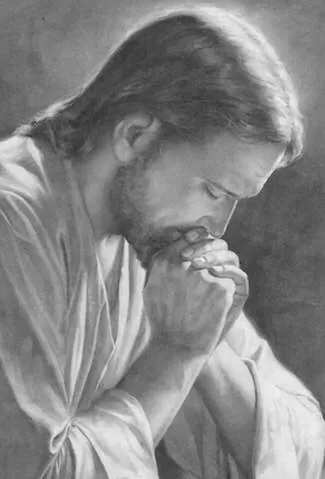 prayer
Ultimately, the goal is to select or present poems that help the congregation grasp the immense love, sacrifice, and triumphant power that define Easter, fostering a deeper connection to their faith and the Risen Christ. Explore different poets and styles to find verses that will truly bloom within the hearts of your church community this Easter. Remember that exploring various poetry resources can provide inspiration; don’t limit yourself to only the most well-known pieces when seeking the perfect easter poems for church. Sites like Latrespace explore various facets of poetry, including [church easter poems] and even broader topics like [english language haiku], demonstrating the diverse ways poetry can enrich our lives and spiritual practices. When specifically planning a church event, looking for resources on [church program easter poems] can offer practical guidance and suitable examples.