
Easter is a season rich with meaning, a time that simultaneously celebrates spiritual rebirth, natural renewal, and the enduring power of hope. This multifaceted significance makes it a compelling subject for poets, who have explored its themes across centuries and styles. From profound reflections on sacrifice and resurrection to joyful observations of spring’s return, Poetry About Easter offers a diverse tapestry of human experience and belief.
At its heart, much Easter poetry engages with the core Christian narrative – the crucifixion and resurrection of Jesus Christ. These poems often delve into themes of suffering, atonement, sacrifice, and ultimately, triumph over death. They explore the emotional weight of the Passion and the transformative joy of the Resurrection. Such poems seek to capture the depth of faith and the promise of eternal life central to the religious observance of Easter.
Susan Noyes Anderson, for instance, touches upon the profound impact of Christ’s actions in her work. In one snippet, she writes:
Because of Christ, we know a love
that fills the earth and sky–
a selfless and redeeming love
the world cannot deny.
Because of Him, what’s wrong on earth
will, one day, be made right.
His path is ours to understand:
the Way, the Truth, the Light.
This excerpt highlights the theme of Christ’s transformative love and guidance, a common thread in religious Easter poetry that emphasizes salvation and divine purpose. Other poems may focus more intensely on the events leading up to the crucifixion or the moment of resurrection itself, using vivid imagery to convey the spiritual drama.
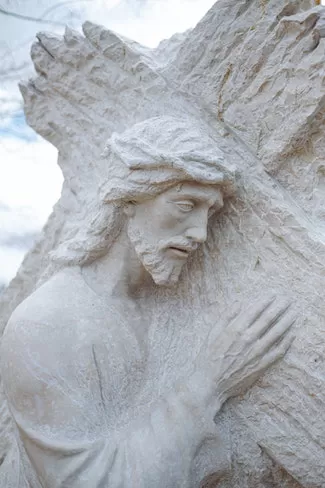 An artistic depiction representing Easter and Jesus Christ
Another significant aspect often explored is prayer and communication with the divine. The act of prayer, whether in moments of agony like the Garden of Gethsemane or in daily devotion, is a powerful expression of faith. Poetry about Easter can reflect on Christ’s own prayers and inspire readers to consider their own spiritual connection.
Anderson touches on this in another snippet:
The Savior’s life was lived in prayer,
a custom born of love and need.
So many pains were His to bear,
so many causes His to plead.
This brief passage suggests the constant communication and burden carried by Christ, presenting prayer as both a necessary practice and an act of love. Poems focusing on prayer during the Easter season often connect the personal spiritual journey with the larger narrative of sacrifice and hope.
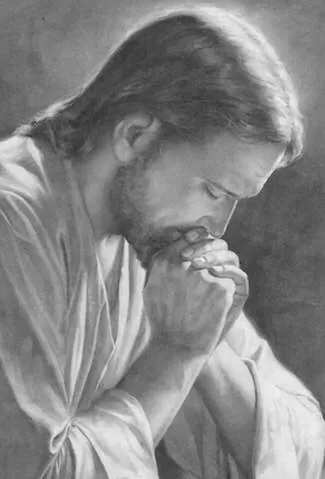 Artistic painting of Jesus praying
Beyond the direct retelling of the Easter story, poets also explore the personal impact of these events on the believer. Poems can delve into questions of personal faith, commitment, and how one lives in response to the spiritual significance of Easter. This introspective approach allows poets to connect the historical narrative to contemporary life and individual spiritual growth.
Consider this excerpt:
As Easter beckons to my soul,
one question fills my humbled heart.
In honoring Christ’s sacrifice,
how will I know my sacred part?
This snippet introduces a personal reflection on the meaning of sacrifice and the individual’s role in honoring it. It shifts the focus from the grand narrative to the intimate question of personal response and commitment, adding a layer of deep, personal resonance to the theme of Easter.
 Religious art depicting a contemplative figure, potentially related to faith or Easter
While the religious themes are central, Easter poetry also finds inspiration in the season itself – spring. The coincidence of Easter with the renewal of nature in the Northern Hemisphere adds layers of symbolism. The thawing of winter, the burgeoning of flowers, and the return of light and warmth serve as powerful metaphors for resurrection, rebirth, and hope. Poems may blend these natural images with spiritual themes, creating a rich tapestry of meaning. Just as poetry can capture the deep devotion expressed in my love for you poems for my husband, it also serves as a powerful vehicle for exploring profound spiritual themes like those associated with Easter.
For some, the transition from the anticipation of Christmas to the deeper meaning of Easter is a subject of poetic exploration. While Christmas celebrates birth and hope, Easter commemorates sacrifice and resurrection, themes often seen as holding even greater spiritual weight.
An excerpt contrasting these holidays might read:
Christmas, I thought, would always be
the best of holidays for me…
a celebration of Christ’s birth,
when peace and glory came to earth.
This miracle, so long held dear,
blessed and remembered every year,
engenders in each tender heart
sweet reverence for His humble start.
This snippet sets up a contrast, implying that Easter holds a different, perhaps more profound, significance. Poetry that explores this shift can highlight the growth in understanding and faith from the Nativity to the Resurrection.
 Easter message with text "He is Risen"
The understanding and appreciation of Easter’s meaning can deepen with personal experience, especially loss. The themes of absence and then triumphant return resonate profoundly with those who have experienced grief.
A poem reflecting on this might begin:
Easter means more to those who know
the echo of a voice unheard,
the sound of silence in the air,
the loss that leaves no parting word.
This excerpt suggests that the full power of the resurrection message – the overcoming of absence and loss – is most keenly felt by those familiar with deep sorrow, adding a layer of emotional depth to the holiday’s meaning.
 Spring image featuring yellow flowers in a basket, symbolizing Easter
The sacrifice made in Gethsemane is a pivotal moment in the Easter narrative, often depicted in powerful poetry. It represents the immense burden and suffering taken on by Christ for humanity.
A snippet focusing on Gethsemane might state:
The Savior in Gethsemane
consumed our sins on bended knee,
took every sorrow, every loss
and broke them on the rough-hewn cross.
This passage directly references the suffering in the garden and links it to the crucifixion, highlighting the theme of vicarious suffering and atonement that is central to the Christian understanding of Easter.
 Artistic depiction of Jesus in the Garden of Gethsemane
Easter poetry also looks back at Christ’s life and ministry, emphasizing His love and purpose from birth through His earthly life. Understanding the context of His actions and teachings enriches the meaning of His ultimate sacrifice and resurrection.
An excerpt reflecting on Christ’s life might read:
In ancient times Christ walked upon
the earth as Son of God, a man
of flesh and bone. Some loved Him
from the moment of His birth.
Some came to love Him after He was grown.
This snippet provides a broader historical perspective, placing the events of Easter within the context of Christ’s entire earthly existence and His relationship with humanity.
 Art piece titled "Christ in the Wilderness"
In conclusion, poetry about Easter is a rich and varied genre that captures the complex meanings of this significant time. Whether focusing on the profound religious themes of sacrifice, resurrection, and faith, or incorporating the joyous symbols of spring and renewal, these poems offer readers a chance to connect with the spiritual and emotional core of Easter. They provide insight, evoke feeling, and remind us of the enduring power of hope and new beginnings inherent in the Easter message. Through diverse voices and styles, poetry continues to illuminate the many facets of this powerful holiday.